Key signs your old Edinburgh house needs replastering include visible damp patches, crumbling surfaces, and sagging lath and plaster ceilings. These issues often indicate trapped moisture or material decay, which can lead to persistent mould and structural damage in historic period properties. Restoring these surfaces with breathable lime plaster ensures your home can regulate humidity effectively while preserving its traditional character.
Living in a classic Edinburgh tenement or a New Town townhouse brings immense pride, yet the maintenance of historic walls often proves frustrating for many homeowners. You might notice a hairline crack that returns every time you paint, or perhaps a patch of damp that defies even the strongest sealants. These are not merely cosmetic nuisances; they are often the first warnings of failing lath and plaster or degraded masonry. Understanding these signals is essential to preserving the structural integrity and aesthetic value of your period property. In this guide, we will explore the specific indicators that your walls have reached their limit. From identifying the hollow resonance of blown plaster to recognizing when sagging ceilings pose a genuine risk, we will provide the expert insight you need to restore your home correctly, including why traditional lime finishes remain the gold standard for our city’s unique architecture.
The Unique Challenges of Edinburgh Period Property Walls
Edinburgh’s architectural landscape is defined by its iconic sandstone tenements and grand stone villas, but these historic structures operate under a different set of physical rules than modern builds. Originally, these homes were designed as breathable systems. The combination of solid stone walls, open chimneys, and original timber windows allowed for constant airflow, which naturally managed internal moisture levels and kept the masonry dry.
Modern living often clashes with this traditional design. As residents install PVC double glazing, block off fireplaces to save space, and introduce consistent central heating, the natural ventilation cycle is broken. Moisture from cooking, bathing, and drying clothes now remains trapped within the building fabric rather than escaping through the eaves or the flue. This shift leads to accelerated wear on internal surfaces, as traditional lath and plaster or lime-based systems struggle to cope with higher humidity and lack of movement.
Identifying the signs your old Edinburgh house needs replastering usually begins with acknowledging that the building's original equilibrium has been disturbed. When these materials finally reach their limit, consulting a local Edinburgh plasterer who understands the nuances of period stone properties is the best way to ensure a long-lasting, architecturally sympathetic repair that respects the home's need to breathe.
1. The Tell-Tale Hollow Sound: How to Detect Blown Plaster
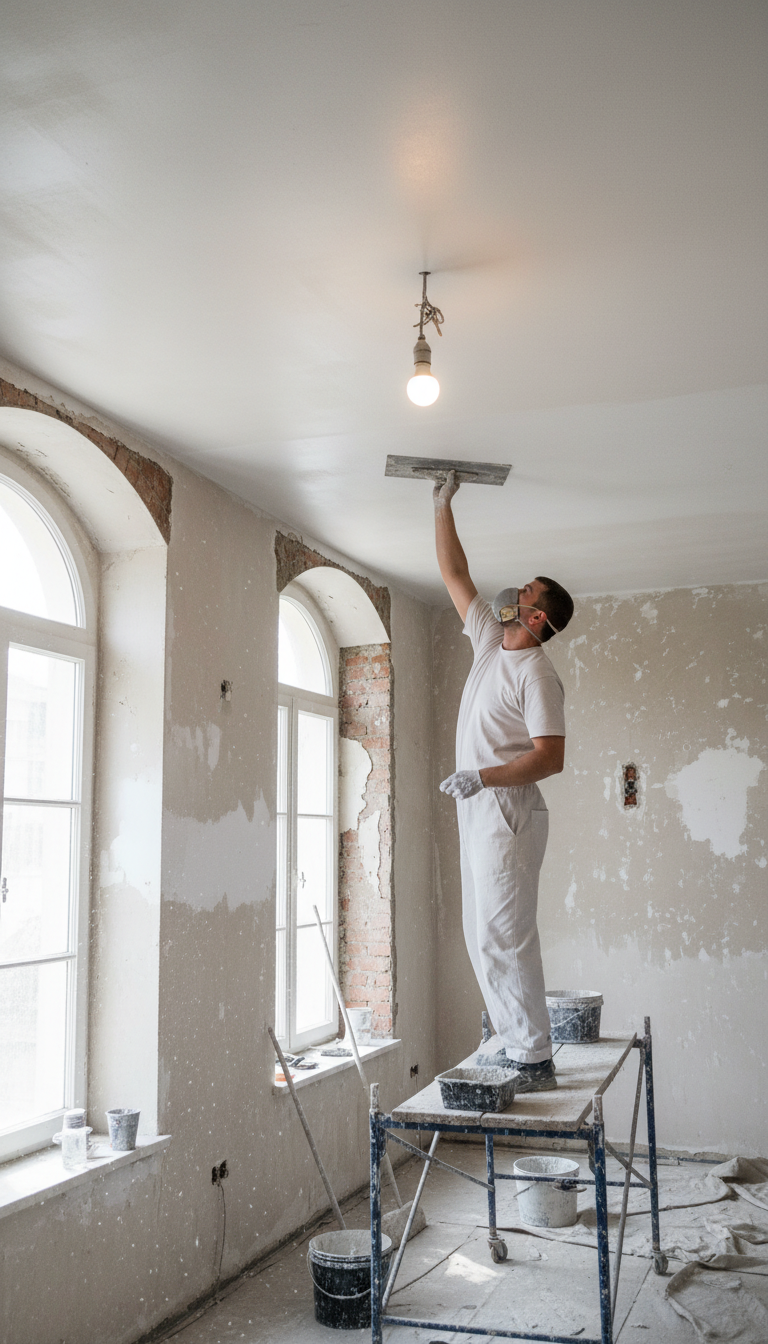
In Edinburgh’s period homes, the most reliable diagnostic tool is often your own knuckles. When we speak about “blown” plaster, we are describing a physical separation where the material has detached from the underlying substrate, be it the original sandstone wall or the narrow timber laths. Understanding how to tell if plaster is blown is essential for any homeowner before committing to expensive decorative work or wallpapering.
To check the integrity of your walls, perform a simple tap test. Move across the surface, gently knocking with your knuckles every few inches. Healthy, well-adhered plaster produces a dull, solid thud, indicating it is still firmly keyed into the structure. However, if you encounter a section that resonates with a hollow, drum-like sound, the plaster has blown. This air gap means the material is essentially floating, held up only by its own weight or the tension of surrounding areas. For owners of historic tenements, identifying these spots early is vital; blown sections are prone to sudden collapse, especially on ceilings. If large areas sound hollow, seeking professional plastering in Edinburgh is the best course of action to secure the room safely.
2. Recurring Damp Patches and the Infamous Edinburgh Condensation
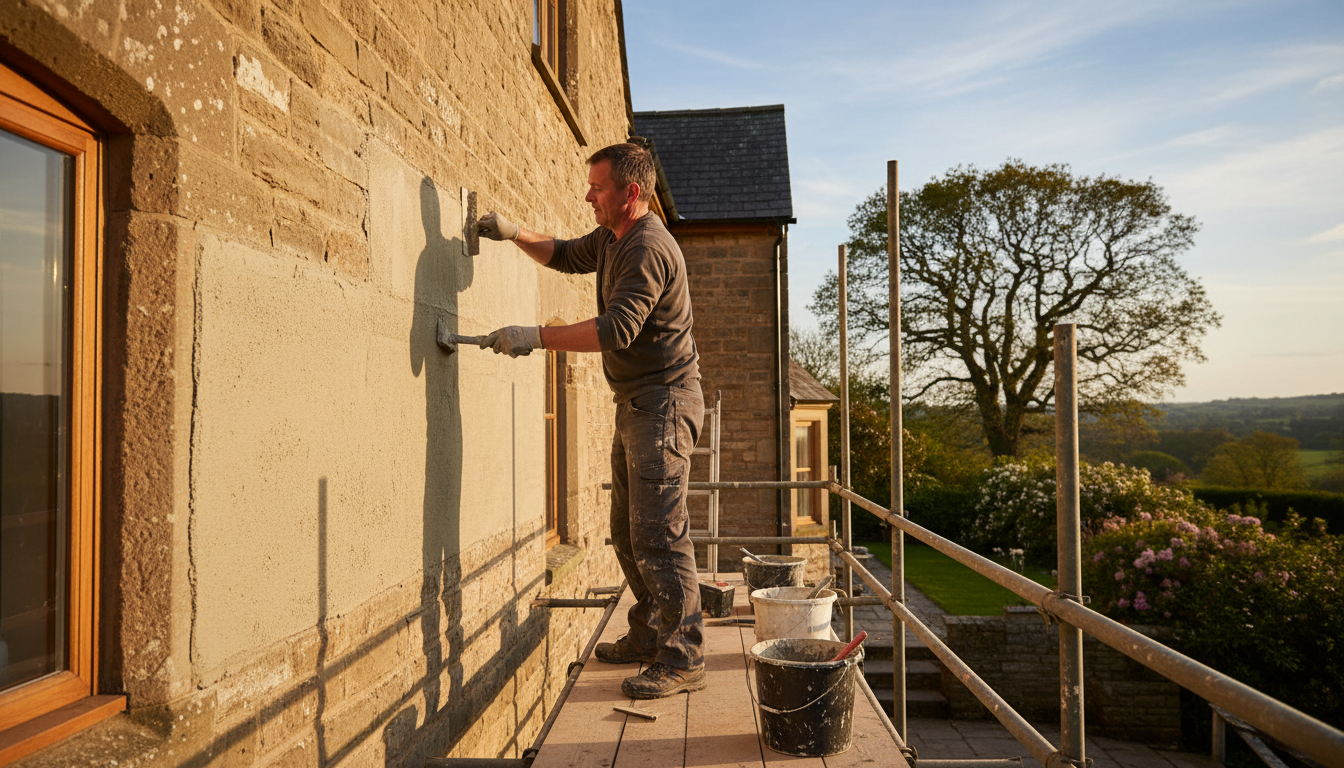
While the hollow sound of blown plaster is a structural warning, recurring damp patches indicate a chemical failure of the wall’s surface. In Edinburgh’s stone tenements, damp usually stems from two distinct sources: penetrating damp from failed exterior sandstone or internal condensation. Because these properties lack a cavity, the solid stone acts as a thermal bridge, staying colder than the interior air. When we cook, shower, or dry laundry, that moisture settles on these cold spots, such as window reveals and corners, creating a persistent cycle of dampness.
One of the most frustrating signs your old Edinburgh house needs replastering is when a patch remains wet even after the original leak or external issue is fixed. Over time, saturated plaster becomes hygroscopic. This means the material has absorbed mineral salts from the masonry or historical soot contaminants. These salts act like a sponge, actively pulling moisture from the air even on dry days. You might notice a white, powdery crust known as efflorescence or a bubbling texture that feels soft to the touch.
Applying a fresh coat of paint or a stain-blocker is a temporary fix that often makes the problem worse by trapping moisture behind a plastic film. If the plaster is crumbling or salty, the bond has been permanently compromised. A local Edinburgh plasterer will typically recommend a full removal and a replaster using breathable materials. This allows the stone to manage moisture naturally, preventing the salt-laden plaster from continuing its cycle of attraction and ensuring a dry, durable finish through professional plastering in Edinburgh.
3. Cracked Plaster: When to Worry and When to Relax
While dampness compromises the chemistry of your walls, cracks represent a physical shift in the building’s integrity. Living in a 19th-century tenement means accepting a certain degree of natural movement. Fine hairline cracks are often superficial, resulting from layers of old paint drying at different rates or minor thermal expansion. These are rarely cause for alarm and can usually be managed during routine decorating.
When considering cracked plaster when to worry, look for specific geometric patterns. Jagged, diagonal cracks radiating from the corners of door frames or windows often indicate that the underlying timber laths are snapping or the masonry is shifting. A useful rule of thumb for Edinburgh homeowners is the two-pound coin test. If a crack is wider than the edge of a two-pound coin, or if it spans the entire height of a wall from cornice to skirting board, it is no longer a cosmetic issue. These wide gaps suggest the plaster has lost its mechanical bond and may be preparing to fall. If you notice these signs your old Edinburgh house needs replastering, consulting a local Edinburgh plasterer is essential to determine if the issue is localized or if the entire wall requires stabilization through professional plastering in Edinburgh. Small cracks are part of a period home’s character, but deep, structural fissures require immediate professional assessment to ensure the safety of the room.
4. Sagging or Bouncing Ceilings: The Lath and Plaster Warning
While wall cracks are concerning, issues above your head carry a more immediate safety risk. Traditional Edinburgh ceilings were built using lath and plaster; a system where thin wooden slats are nailed to joists and coated in lime plaster. The structural integrity relies on "keys," which are the curls of plaster that squeezed through the gaps between slats to hook onto the timber. Over a century of foot traffic from the flat above, historical pipe leaks, and general timber fatigue can cause these fragile keys to snap.
When the keys fail, the plaster slab begins to separate from the joists. You can test this by gently pushing upward on a suspected area with the palm of your hand. If the surface feels spongy or moves independently of the ceiling structure, it is "bouncing." This is one of the most critical signs your old Edinburgh house needs replastering, as the only thing holding the weight is often just the internal horsehair binder. In grander New Town or Marchmont flats, this weight is compounded by heavy, decorative cornices. A sudden collapse can be hazardous and cause irreparable damage to historic features. If you notice a visible sag, contact a local Edinburgh plasterer immediately to assess if the ceiling can be secured or if professional plastering in Edinburgh is required to safely replace the failing lath.
5. Crumbling Surfaces and Soft Spots
Beyond structural separation, the internal composition of the material itself can degrade over time. If you find a fine, sandy dust constantly gathering on your baseboards even shortly after cleaning, the plaster has likely perished. In many historic Edinburgh tenements, the original lime plaster reaches a point where the binding agents have completely exhausted their chemical strength. When this happens, the wall loses its crystalline integrity and reverts to its base components: sand and grit.
If you press your thumb against a suspect area, it will often feel soft or slightly yielding rather than solid and masonry-like. Attempting to decorate over perished surfaces is a recipe for frustration; the weight of wet wallpaper can pull the crumbling surface right off the laths, and paint will struggle to bond to the dusty, unstable substrate. These are definitive signs your old Edinburgh house needs replastering. To ensure a lasting finish that won't flake or peel, a local Edinburgh plasterer must strip back the failed material. Investing in professional plastering in Edinburgh at this stage provides the only stable foundation for modern paints and wallpapers.
6. Stains That Refuse to Stay Hidden
Persistent discoloration that defies multiple coats of paint is rarely just a cosmetic annoyance. In Edinburgh tenements and villas, these brown or yellow stains are frequently the result of soot bleed from old chimneys or historical water ingress that has saturated the masonry. Because traditional lime and gypsum are porous, they absorb carbon and salts deep into their structure over many decades.
Many homeowners attempt to mask these patches with heavy stain-blocking primers. While these products can sometimes contain minor issues, severe contamination often migrates back to the surface as the paint cures. If a stain reappears despite specialized coatings, it is one of the clear signs your old Edinburgh house needs replastering. At this stage, the plaster itself is holding the contaminants like a sponge. To achieve a truly clean, uniform finish, a local Edinburgh plasterer must remove the tainted section entirely. By opting for professional plastering in Edinburgh, you remove the source of the bleed rather than simply hiding it, ensuring your new decor remains pristine.
7. Uneven Walls and Visible 'Lath Lines'
Even when a wall is structurally sound, decades of localized patch repairs often result in a lumpy or undulating surface. This architectural scarring occurs as different generations of tradespeople use varying materials and techniques on the same wall. One specific visual cue to watch for is the appearance of horizontal shadows, known as lath lines, showing through the finish. These lines indicate that the plaster thickness has become uneven or that the material is physically pulling away from the timber slats behind it.
These visual distortions are significant signs your old Edinburgh house needs replastering, particularly as modern LED lighting and high-performance paints are unforgiving of such imperfections. A local Edinburgh plasterer can address these aesthetic failures by removing the accumulated layers of old repair work. Choosing professional plastering in Edinburgh provides a truly flat, plumb surface that restores the sharp lines and clean intersections intended for a high-quality period interior.
The Solution for Edinburgh Homes: Why Lime Plaster Often Wins
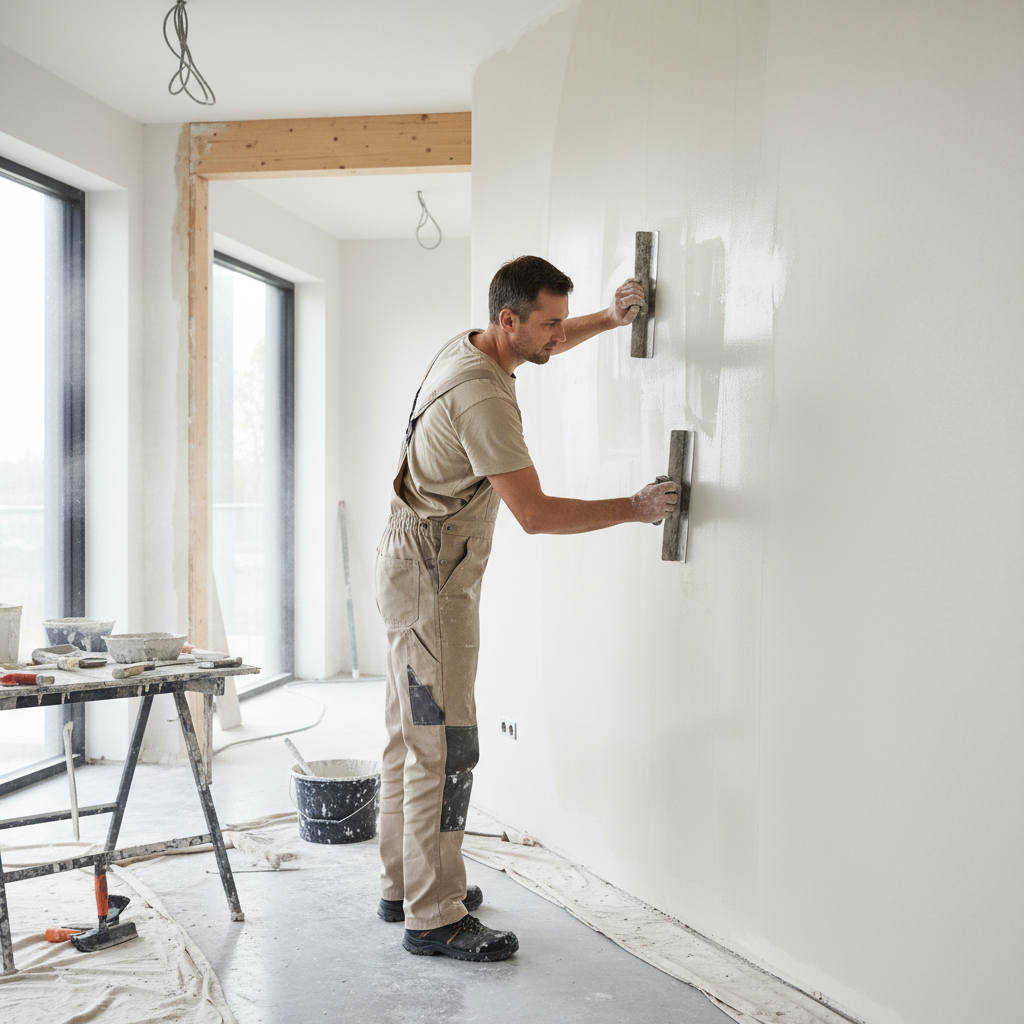
Addressing the structural and aesthetic failures mentioned above requires a material that mimics the original engineering of a tenement. While modern gypsum plaster is the standard for new builds, it often creates significant issues in solid stone Edinburgh homes. Gypsum acts as a vapor barrier, trapping moisture within the masonry rather than allowing it to evaporate. This lack of breathability often leads back to the very signs your old Edinburgh house needs replastering that homeowners were trying to fix, such as salt efflorescence or damp spots.
Traditional lime plastering remains the superior choice for period restorations. Its primary advantage is its porous structure, which allows the wall to breathe by wicking moisture away from the stone and releasing it into the air. Furthermore, lime is naturally flexible. Unlike the brittle nature of modern gypsum, lime can accommodate the slight, seasonal movements of a 150 year old building without cracking or blowing.
Choosing a local Edinburgh plasterer who understands these material differences is vital. At PlasterTec Edinburgh, we balance modern efficiency with these traditional techniques. By selecting the correct lime or specialist breathable system for your specific property, we ensure that our professional plastering in Edinburgh preserves the health of your stone walls while providing a perfectly flat, durable finish that respects the building's historic fabric.
Maintaining the unique character of an Edinburgh period home requires a proactive approach to structural care. By identifying early warning signs like persistent damp or crumbling surfaces, you can protect your property from long term damage. While minor repairs are manageable, restoring historic walls often requires specialized knowledge and traditional techniques. If you want expert help to ensure your home remains beautiful and sound, our specialist Plastering services can provide the lasting results you need. We are here to help you navigate your restoration journey with confidence.