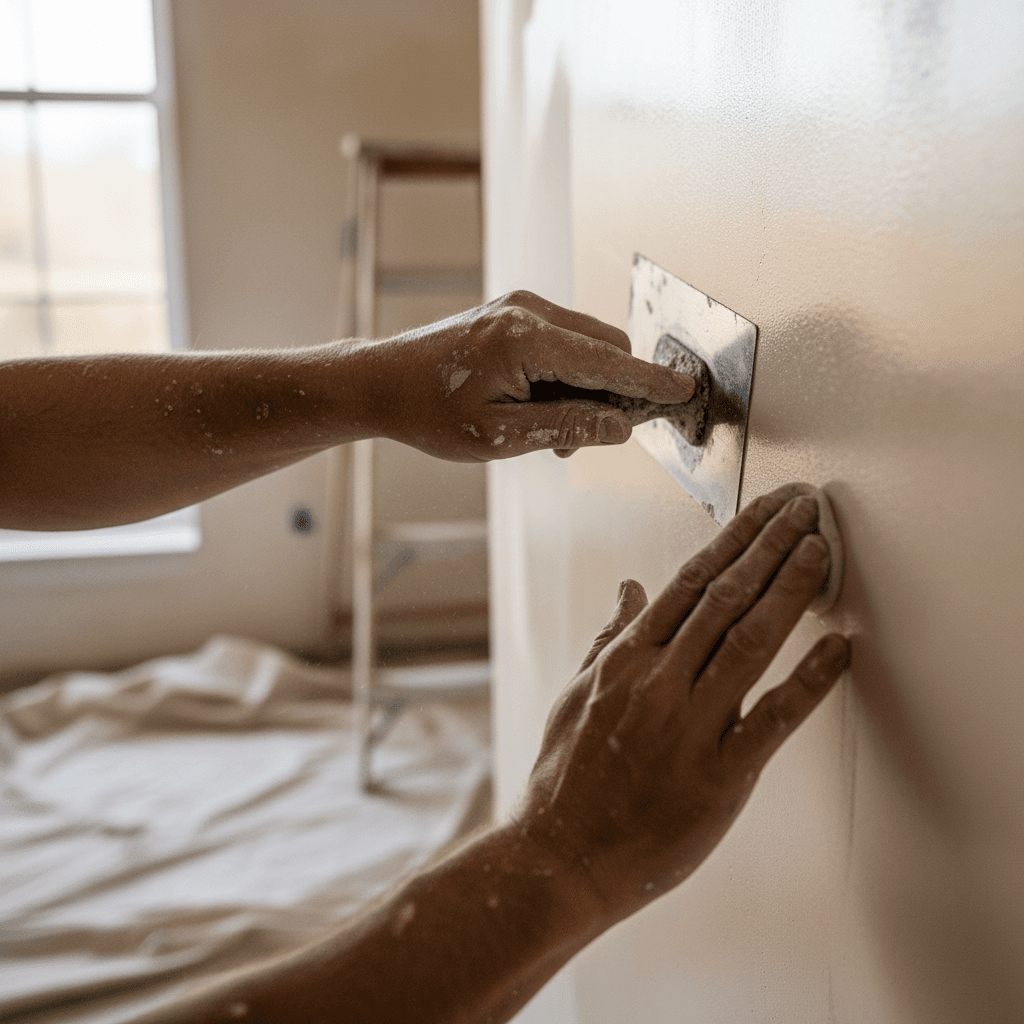

A cracked ceiling Edinburgh residents find in their homes can be either a minor cosmetic issue or a sign of impending collapse, depending on the crack width and any visible sagging. While hairline fissures are often simple plaster cracks, wider gaps or movement in traditional lath and plaster ceilings indicate structural weakness that requires professional repair.
Discovering a fresh fissure across your period cornicing or a spiderweb of lines in a high tenement ceiling is a common, yet deeply unsettling experience for Edinburgh homeowners. It is often difficult to discern if the issue is merely the seasonal movement of an old building or the first warning sign of a ceiling collapse. In a city defined by historic architecture, maintaining the integrity of lath and plaster is essential for both safety and property value. This guide provides a practical framework for assessing the health of your ceilings. You will learn how to distinguish harmless settlement cracks from structural failures; we also explain the "push test" and the specific risks posed by hidden water ingress. By the end, you will understand exactly when a simple patch will suffice and when it is time to call in a specialist for a professional restoration.
Understanding Ceiling Cracks in Edinburgh Tenements and Period Homes
Edinburgh is renowned for its architectural heritage, but the grand Georgian and Victorian tenements that define the city come with specific maintenance quirks. Providing professional plastering in Edinburgh has taught us that these massive stone buildings sit on foundations that naturally settle over centuries. This movement is compounded by the constant micro-vibrations caused by heavy traffic, particularly along busy bus and tram routes in areas like Leith, Morningside, or the West End.
To understand the risk, you must first identify your ceiling's construction. Most homes built before 1950 utilize traditional lath and plaster. This method involves pressing wet plaster through thin timber strips, creating "keys" that hook the material to the ceiling joists. In contrast, modern renovations typically use plasterboard, which consists of large gypsum sheets screwed directly to the timber. Understanding the composition of your home is vital for any local Edinburgh plasterer evaluating the site.
The threshold for concern varies significantly between these two types. While a hairline crack in a 100 year old house is common, the underlying cause determines the safety risk. A crack in plasterboard might simply be a drying joint or failing tape, but a similar cracked ceiling Edinburgh tenement residents observe in lath and plaster could indicate that the structural keys have snapped. If you are unsure which system your home uses, contact our team for a professional assessment. We recommend photographing any new cracks alongside a ruler to monitor if they expand over time, as a changing crack is a vital record for future repairs.
Cosmetic Cracks: When You Can Safely Ignore the Issue
Monitoring these changes is the first step in identifying cosmetic flaws that do not pose an immediate threat. Most hairline cracks, which measure less than 1mm in width, fall into this category. In a city as old as Edinburgh, minor movement is simply part of a building's character; stone foundations and timber joists expand and contract slightly with the change in seasons.
Common cosmetic issues include: - Spiderweb Patterns: These fine, erratic lines are often the result of several layers of old lead paint or distemper drying out over decades. - Straight Hairline Fractures: These typically follow the joints where sheets of plasterboard meet, indicating a minor failure in the jointing tape rather than a structural problem. - Seasonal Shrinkage: Small gaps appearing near the cornicing after a particularly dry spell of weather.
A local Edinburgh plasterer would typically classify these as maintenance tasks rather than emergencies. These imperfections can usually be managed during your routine decorating cycle. Using a flexible filler before painting can bridge these gaps effectively. While a cracked ceiling Edinburgh property owners encounter can be visually off-putting, these thin, stable lines rarely suggest that the plaster is losing its bond with the structure. If the crack remains narrow and static, you can safely continue with your interior plans without immediate concern for the building's integrity.
Warning Signs: When a Cracked Ceiling Edinburgh Signals Trouble
Transitioning from cosmetic issues to genuine risks requires a keen eye for specific physical changes. While a thin line is often just a nuisance, certain indicators suggest the plaster has lost its structural bond. If you observe any of the following symptoms, it is time to seek a local Edinburgh plasterer for a formal safety inspection.
The first metric to check is width. Any crack wider than 3mm, which is roughly the thickness of a pound coin, is a significant red flag. At this width, the crack is no longer just a surface issue; it often indicates that the plaster is physically separating from the laths or joists. Furthermore, diagonal cracks that originate from the corner of a room and track across the ceiling are particularly concerning. In Edinburgh tenements, these often follow the stress lines of the timber joists and may indicate that the plaster keys have failed along a specific span.
You should also look for deflection, which is a visible dip or bulge in the ceiling surface. This is often more dangerous than a crack alone. A bulging section of plaster suggests that gravity is winning the battle against the old timber laths. A common concern among homeowners is whether a cracked ceiling Edinburgh residents find in their homes means the building itself is unstable. In most cases, it does not mean the house is falling down. Instead, it signals that the heavy plaster is about to detach from the laths, a process known as delamination.
This separation is a major safety hazard. A square meter of traditional lath and plaster can weigh upwards of 30kg; if it falls unexpectedly, it can cause significant injury or damage to furniture. If you notice a crack accompanied by a hollow sound when tapped or a visible sag, contact our team immediately. Addressing these red flags early through professional plastering in Edinburgh can prevent a full collapse and allow for more targeted, less invasive repairs.
The Sagging Factor: Why Lath and Plaster Ceilings Fail
Traditional lath and plaster relies on a mechanical bond rather than modern adhesives. The system consists of thin timber strips, or laths, nailed to the joists, with wet plaster squeezed through the gaps. As the plaster dries, it curls over the wood to form "keys." These small hooks are the only thing keeping the heavy ceiling material suspended against the force of gravity.
Failure occurs when these keys snap, a process known as delamination. In Edinburgh’s tenement buildings, several factors contribute to this breakdown:
Vibration: Heavy traffic, particularly along tram and bus routes, causes constant micro-movement in the timber frame.
Static Load: Heavy furniture or appliances in the flat above put localized pressure on the joists, stressing the brittle plaster.
Moisture: Even a historic leak from a neighbor’s bathroom can cause laths to swell and rot, weakening the bond.
When delamination begins, the plaster separates from the wood and begins to sag under its own weight. A cracked ceiling Edinburgh residents encounter often indicates that these keys have failed, leaving the plaster held up only by the tension of surrounding material or layers of wallpaper. If you suspect this is happening, contact our team to ensure the area is safe. Understanding these mechanics is essential for any local Edinburgh plasterer providing professional plastering in Edinburgh to ensure repairs address the root cause rather than just the surface.
The Push Test: A Practical Way to Check Your Ceiling at Home
To assess if your ceiling is merely aged or genuinely dangerous, you can perform a simple diagnostic known as the push test. Using your hand or the soft end of a broom handle, gently apply upward pressure to the area surrounding the cracked ceiling Edinburgh property owners are concerned about. Focus your attention on any visible sags or the widest point of the crack.
If the plaster feels solid and shows no movement, the traditional lime keys are likely still providing a secure bond to the timber laths. However, if the section feels spongy, moves upward under light pressure, or produces a distinct crunching sound, the bond has failed. In these cases, the heavy plaster has fully detached from the structure and is often held in place solely by layers of old wallpaper or the tension of neighboring sections.
Movement indicates a high risk of collapse. If your ceiling fails this test, you should contact our team immediately to discuss professional plastering in Edinburgh. A local Edinburgh plasterer can then determine if the area requires stabilization or a more extensive replacement before a fall occurs.
The Impact of Water Damage and Tenement Leaks
Living in a tenement means your ceiling is also your neighbor's floor, sharing a complex network of internal pipework. Many cracked ceiling Edinburgh reports we investigate stem from water ingress, often originating from shared stacks or old lead piping in the flat above. Even a historic leak, dried out years ago, can have long term consequences. When timber laths stay damp for extended periods, they rot or lose their grip on the nails, significantly weakening the mechanical bond of the plaster keys.
Look for specific visual indicators of moisture damage beyond simple cracks. Brown tide marks or yellowish rings are classic signs of mineral deposits left by receding water. Bubbling, blistering, or flaking paint often indicates that moisture is trapped behind the surface, physically pushing the decorative layer away from the plaster. If you spot these signs alongside a sag, the risk of a localized collapse is high.
Regarding costs, review your buildings insurance policy carefully. While insurers typically exclude gradual wear and tear or maintenance issues, sudden water damage from a burst pipe or a neighbor's plumbing failure is usually a covered peril. We often assist homeowners requiring professional plastering in Edinburgh by providing detailed assessments for insurance claims. If you notice damp patches or new cracks appearing after a suspected leak, contact our team to evaluate the damage. A local Edinburgh plasterer can help determine if the ceiling is still structurally sound or if the water has compromised the laths beyond repair.
Professional Repair vs. Replacement: What to Expect
Once the source of damage is identified, the decision rests between targeted stabilization and complete renewal. For localized issues where only a small section of a cracked ceiling Edinburgh property owners are dealing with has failed, targeted repairs are the preferred choice. This involves cutting back loose plaster, reinforcing the existing timber laths, and patching the area using lime-based materials. This method is highly effective for preserving the building's breathability and historical fabric, especially in listed properties.
If the delamination is widespread or the laths are significantly rotted, a full replacement becomes necessary. You generally have two choices: overboarding or a full strip back to the joists. Overboarding involves fixing new plasterboard directly over the existing ceiling, provided the timber joists can support the additional weight. For severely failing structures, removing the old lath and plaster entirely is the safer route. Modern plasterboard offers a cost-effective alternative to traditional lime; it provides a smoother finish and significantly better fire resistance, which is a vital safety consideration in high-occupancy tenements.
Solution | Best For | Main Benefit |
|---|---|---|
Targeted Repair | Small, localized cracks | Preserves historical materials |
Overboarding | Stable but uneven ceilings | Cost-effective and fast |
Full Replacement | Rot, heavy sagging, or leaks | Maximum safety and level finish |
Preserving original cornices is a primary concern for many homeowners. When performing professional plastering in Edinburgh, we can often under-cut the new plasterboard to sit flush against the existing decorative moulding, maintaining the room's character. If the cornice itself is damaged, a local Edinburgh plasterer can replicate the profile using contemporary casting techniques. The right approach balances the preservation of these period features with the structural necessity of a stable ceiling. If you are unsure which path is right for your home, contact our team for a detailed survey and estimate.
Identifying whether a ceiling crack is a minor cosmetic flaw or a structural warning sign is essential for your home’s safety. While small fissures are common, larger gaps often require an expert assessment to prevent further damage. If you feel unsure about the stability of your plaster or simply want a flawless finish, seeking professional guidance is a wise next step. For homeowners looking for reliable Plastering services in Edinburgh, our team can provide a thorough inspection and a high quality repair to ensure your home remains both beautiful and secure.