Plastering should always be completed before installing new flooring to protect surfaces from wet spills, debris, and high humidity levels. Finishing your plastering before flooring Edinburgh prevents permanent damage to new materials and allows the walls to dry thoroughly before the floor is laid. Most experts recommend waiting at least two to three weeks for the plaster to cure before starting any floor installation.
Embarking on a renovation in one of Edinburgh’s historic tenements often feels like a balancing act between protecting your investment and achieving a flawless finish. Few things are as stressful as watching fresh plaster splatter onto newly installed hardwood; however, many homeowners still struggle to determine the correct sequence of trades. At PlasterTec, we have seen the costly consequences of getting this order wrong, especially in the unique, damp climate of the Lothians. This guide explains why plastering before flooring is the professional standard for preserving your home. We will cover the essential physics of moisture management, the specific timelines required for Scottish homes, and a real project story from a Morningside living room transformation that demonstrates how to execute a seamless renovation without compromising your new floors.
The Great Renovation Debate: Plaster or Floor First?
Renovating a period property in Edinburgh, from a high ceilinged tenement in Marchmont to a Victorian villa in Morningside, brings a unique set of challenges. One of the most frequent questions we encounter involves the order of operations. Homeowners are often eager to see their new hardwood or tile flooring installed, as it provides that immediate sense of completion. However, the looming prospect of plastering often creates significant anxiety. You want the finish to look perfect, but you fear the inevitable mess that comes with mixing and applying wet gypsum.
You might find conflicting advice on home improvement forums, where some suggest laying the floor first to avoid gaps. However, there is a professional standard that we adhere to at PlasterTec Edinburgh to ensure your investment is protected. As a local Edinburgh plasterer with years of experience in these historic buildings, I can tell you that the sequence is critical. Planning for plastering before flooring Edinburgh projects is not just a preference; it is a safeguard against the moisture and grit inherent in the trade. If you view our portfolio, you will see that the cleanest, most durable results always follow a specific, expert led timeline that prioritizes the structural integrity of your finished surfaces.
Why Plastering Before Flooring is the Gold Standard in Edinburgh
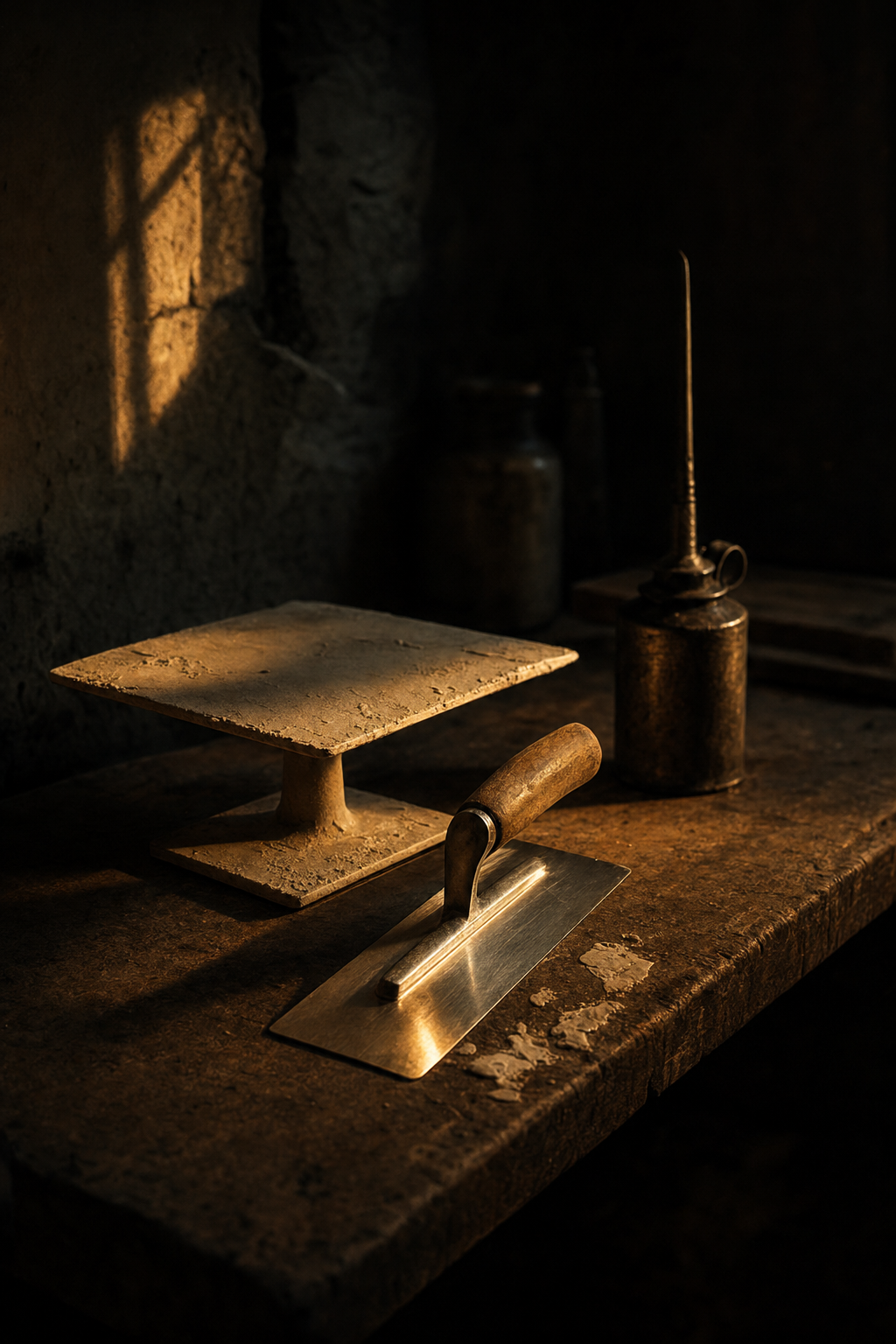
The primary justification for prioritising plastering lies in the nature of the trade itself. Plastering is fundamentally a category of "wet works." When we provide professional plastering services in Edinburgh, we are managing large volumes of water, heavy bags of gypsum, and abrasive grit. No matter how much protection is laid down, the reality of a busy job site involves a level of moisture and debris that is naturally hostile to finished surfaces.
In an Edinburgh tenement, this challenge is amplified. The soaring ceilings, often reaching three metres or more, necessitate significant quantities of wet material. When working at these heights, gravity becomes a factor; droplets of wet plaster are inevitable. On a bare concrete or floorboard subfloor, this is a minor cleanup task. On a newly laid oak floor or high end laminate, however, those same droplets can cause permanent staining, scratching, or water damage. The grit found in backing plasters can act like sandpaper under a workman’s boot. If this grit gets ground into a fresh floor finish, the damage is often irreparable without a full sand and seal.
Furthermore, the solid stone walls common in local properties often require more substantial plaster volume than modern stud walls. This increased volume means more water is introduced into the room environment. By completing the wet works first, you eliminate the risk of ruined textiles or warped wood, ensuring that the messy, high volume phase of the renovation is safely concluded before your luxury flooring even enters the building. This sequence is why plastering before flooring Edinburgh renovations is considered the professional benchmark for a high quality finish.
Moisture Management: Protecting Your Floor from New Plaster Dampness
Beyond the visible debris of a renovation site, the most significant risk to your new surfaces is invisible: airborne moisture. When we apply professional plastering services in Edinburgh, we introduce hundreds of litres of water into the building fabric. This water must evaporate for the plaster to cure properly, a process often referred to as the walls 'sweating' out the moisture.
In the specific climate of Edinburgh, where coastal humidity is high and thick stone walls often remain cool, this evaporation creates a saturated environment. If you store or install timber flooring in this atmosphere, the wood acts like a sponge. It absorbs the moisture, causing the boards to swell. If the floor is laid prematurely, this leads to structural failures such as buckling, crowning, or cupped edges once the heating is turned on and the wood eventually dries and shrinks. This is a primary reason why plastering before flooring Edinburgh renovations is the only way to ensure the longevity of your woodwork.
To protect your investment, we recommend monitoring the room with a Relative Humidity (RH) test. The air should return to a stable level, typically between 40% and 60%, before you even bring the flooring into the building to acclimate. As a local Edinburgh plasterer, I have seen many high end projects compromised because the floor was introduced while the plaster was still dark and damp. You must allow the room to breathe and reach a state of equilibrium. Only when the plaster has reached a uniform light pink and the humidity has dropped should the delicate work of flooring installation begin.
The Correct Sequence for an Edinburgh Tenement Renovation
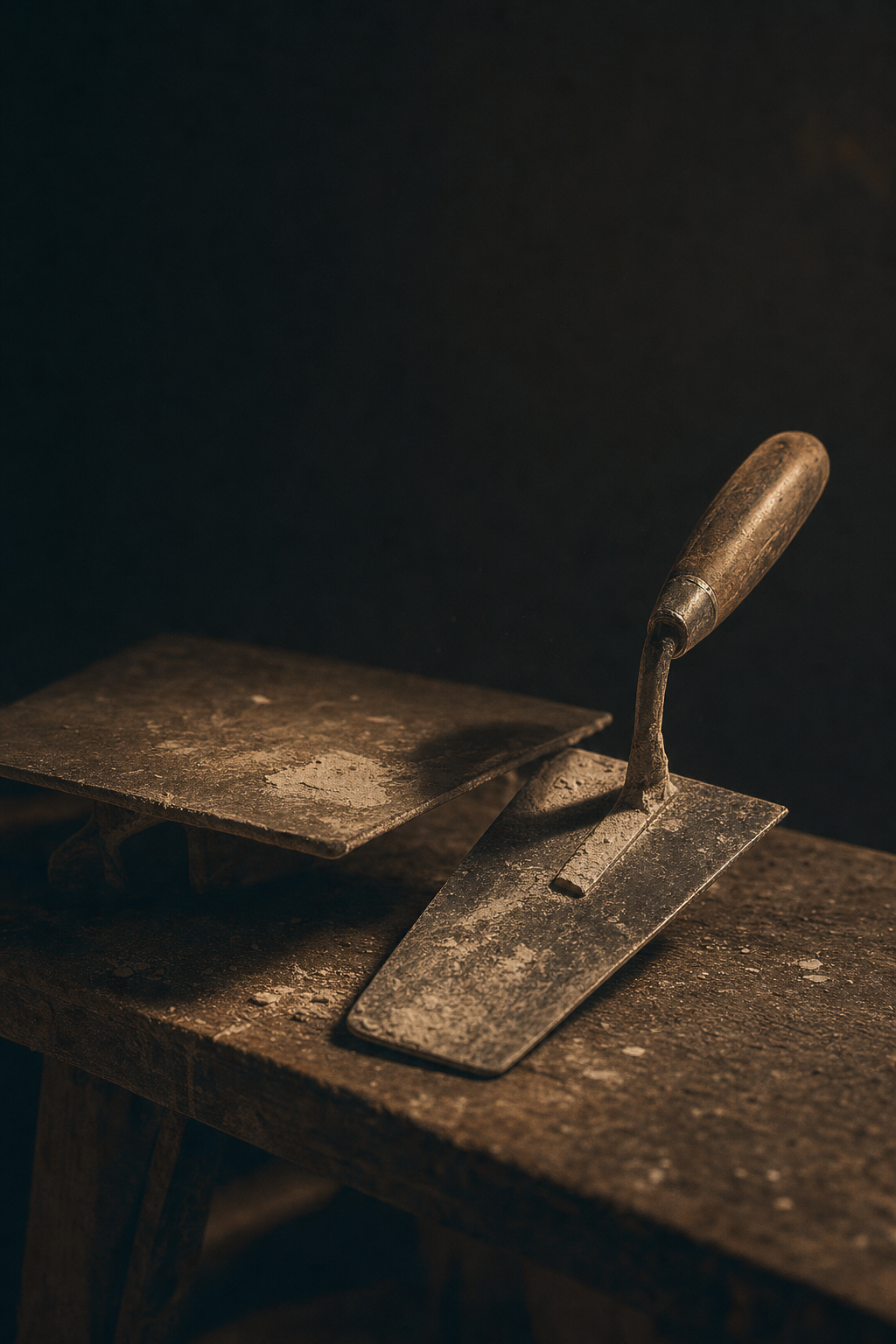
Achieving a high-end finish in a traditional tenement requires a disciplined approach to the construction schedule. While the temptation to keep original features like skirting boards in place is often strong, successful plastering before flooring Edinburgh results depend on clearing the workspace to address the unique structural quirks of period properties. Following this specific sequence ensures that each trade can work efficiently without compromising the quality of the others.
Strip old flooring and skirting: Remove existing materials down to the subfloor and bare walls. In Edinburgh flats, removing the skirting reveals hidden issues at the base of the lath or stone that require attention before any new material is applied.
Prep walls: Address any loose laths or crumbling masonry. If a local Edinburgh plasterer identifies blown sections of original plaster, these must be hacked back to the solid substrate to prevent future cracking.
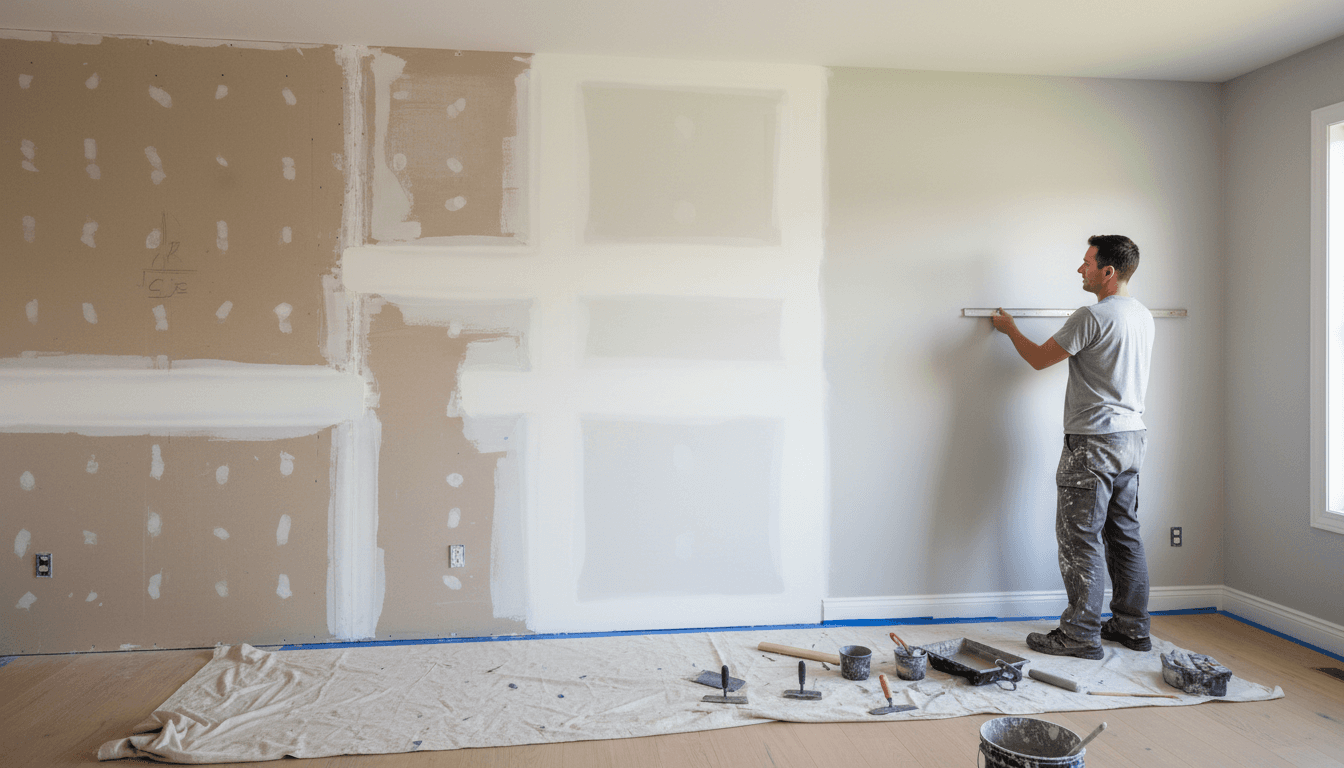
Apply new plaster: This is the primary wet phase of the project. By engaging professional plastering services in Edinburgh at this stage, you ensure the walls are perfectly plumb before any delicate timber is introduced.
Wait for full drying: This period typically ranges from 7 to 21 days depending on the depth of the application. The moisture must be fully expelled from the building fabric before the room environment is sealed.
Install new flooring: Once the room's relative humidity is stable and the plaster is cured, the hardwood or laminate can be laid across the subfloor.
Install new skirting boards: The final joinery should be fitted directly on top of the finished floor.
This final step is particularly important for an expert aesthetic. Homeowners who try to keep their skirting boards in place often find themselves forced to tuck the flooring underneath an existing gap or, worse, use an unsightly bead or scotia trim to cover the expansion gap. By installing skirting after the floor is laid, the timber sits flush against the surface. This creates a seamless, built-in look that mimics the craftsmanship of the original 19th-century builders. To see the level of detail this sequence allows us to achieve, you can view our portfolio of local transformations.
How Long After Plastering Can I Lay Flooring in Scotland?
The timeline for transitioning from wet trades to flooring depends entirely on the depth of the work performed. If you have engaged professional plastering services in Edinburgh for a standard skim coat over existing plasterboard, you can typically expect a drying period of 7 to 10 days. However, for more intensive renovations where we have stripped walls back to the original masonry, a full two-coat application requires significantly more patience. In these cases, it can take four weeks or more for the substrate to stabilize and release its moisture load.
Edinburgh’s specific geography often extends these estimates. Our coastal humidity, combined with the thick, thermally massive stone walls found in areas like Comely Bank or the New Town, can trap dampness longer than modern brickwork. A local Edinburgh plasterer will advise you to monitor the color of the walls as the primary indicator of readiness. New plaster starts as a dark, wet brown or grey and must transition to a uniform, pale pink across the entire surface.
Do not bring your hardwood or laminate boards into the room to acclimate until this color change is complete. If you store flooring in a room where the walls are still "sweating," the timber will absorb that airborne moisture before it is even laid. To see the results of projects where we have carefully managed these drying cycles, you can view our portfolio of local tenement restorations.
A Real Project Story: The Morningside Living Room Transformation
A recent project in a Victorian villa near Morningside Road perfectly illustrates why we insist on a specific order of work. The homeowner had invested a significant sum in bespoke oak parquet flooring and was understandably eager to see it installed to make the house feel like a home. They initially requested that the flooring go down first, worried about the scheduling of their specialist joiner. However, as a local Edinburgh plasterer, I knew the risks of introducing such a sensitive, kiln-dried material to the high-humidity environment of a freshly plastered room.
We discussed the technical risks during the initial site visit. I explained that the moisture released from skimming those massive, three-metre-high tenement walls would likely cause the oak blocks to expand rapidly, potentially lifting the floor before it even had its first coat of oil. By opting for our professional plastering services in Edinburgh while the room was still a shell, they protected their investment from both the airborne moisture and the physical grit of the plastering process.
Our team completed the skimming using scaffold towers to reach the ornate cornicing, ensuring every inch of the stone walls was perfectly plumb. Three weeks later, once the walls had reached a stable, uniform pink and the relative humidity had dropped, the parquet was laid. The joiners then fitted tall, period-accurate skirting boards directly on top of the oak. If you view our portfolio, you can see the crisp, seamless result. The floor remains in showroom condition, free from the stains or buckling that often haunt rushed renovations. This Morningside transformation is a testament to why plastering before flooring Edinburgh projects is the professional choice for a lasting finish.
Getting the order of work right is the most effective way to protect your investment and ensure a high quality finish. By completing your plastering before the flooring arrives, you eliminate the risk of spills or heavy equipment damaging your new surfaces. If you want expert help to achieve these professional results, our team is here to support your project. You can explore our services for Plastering to see how we help homeowners across Edinburgh transform their spaces with ease.