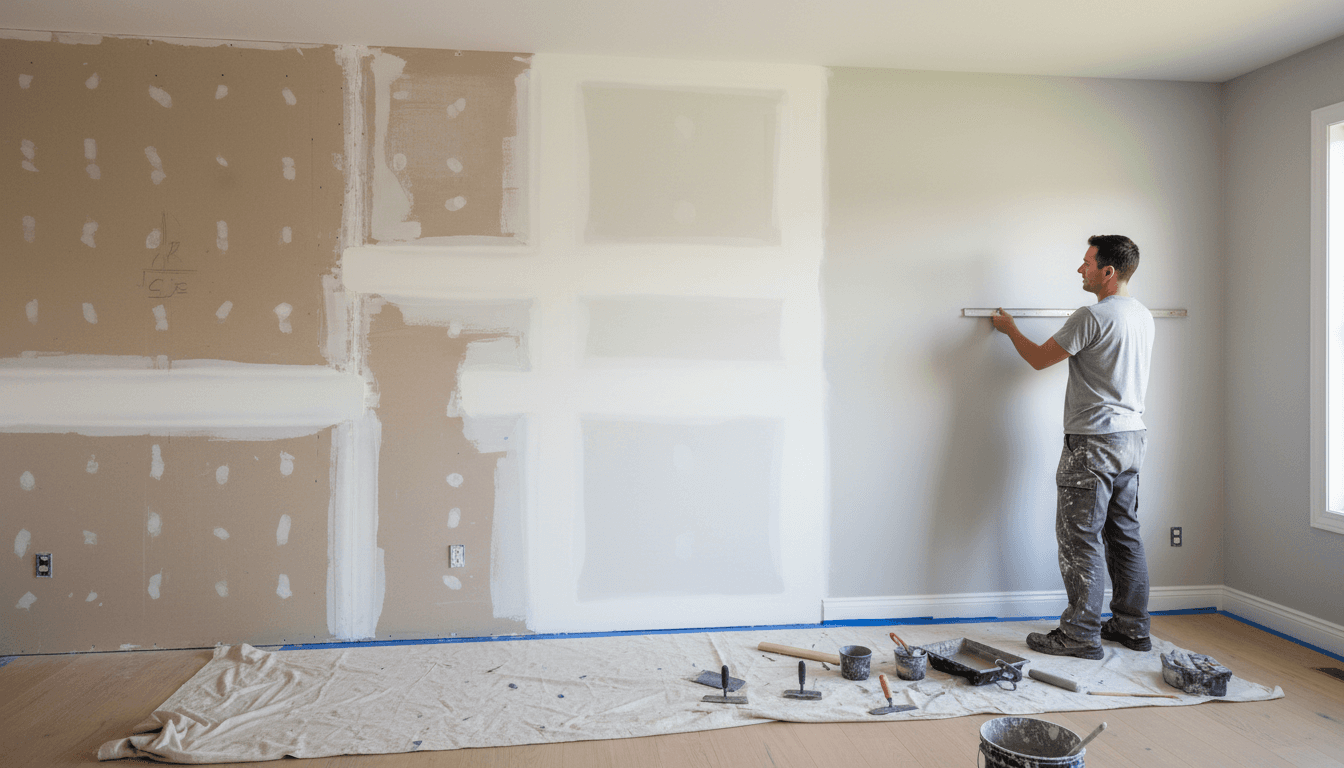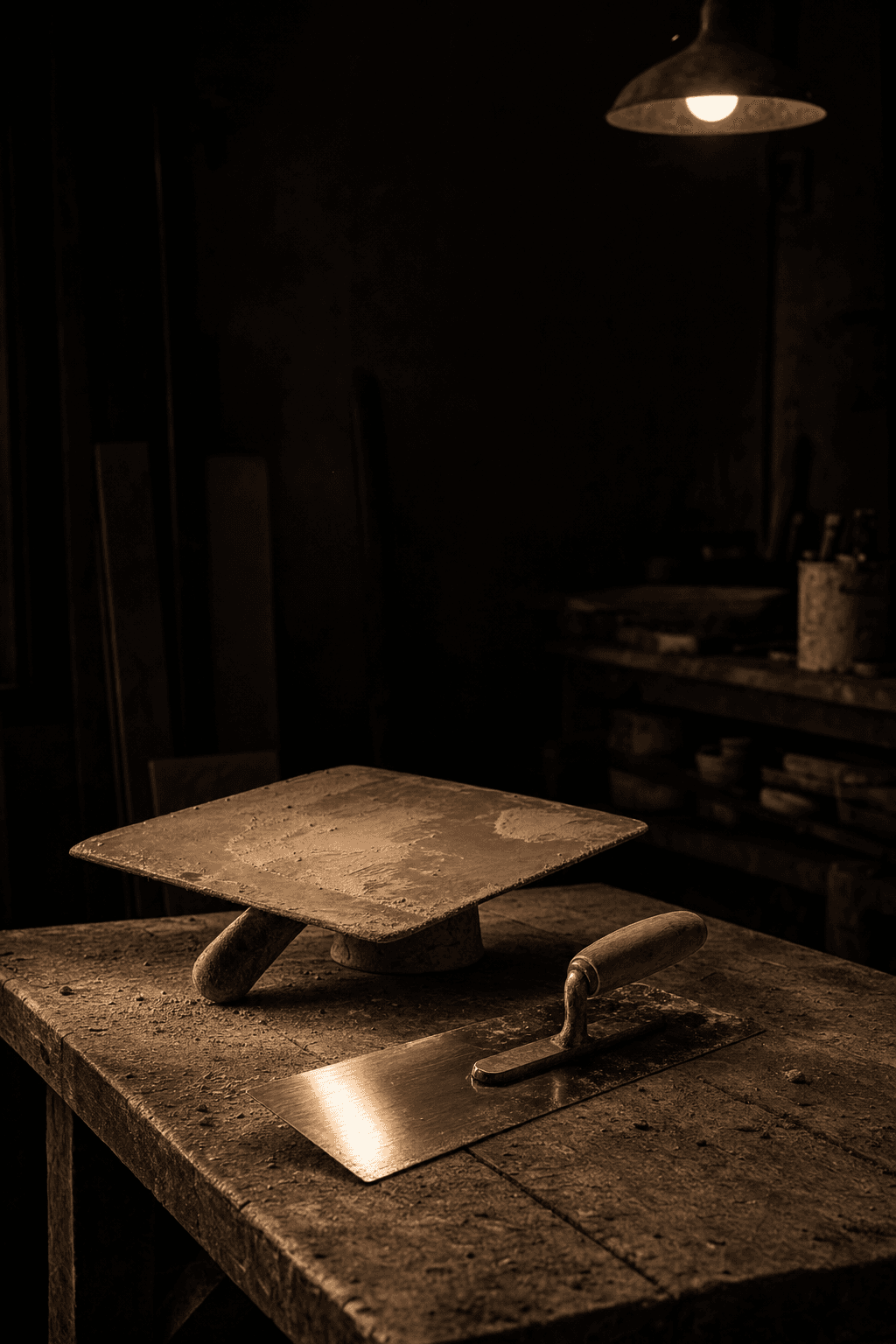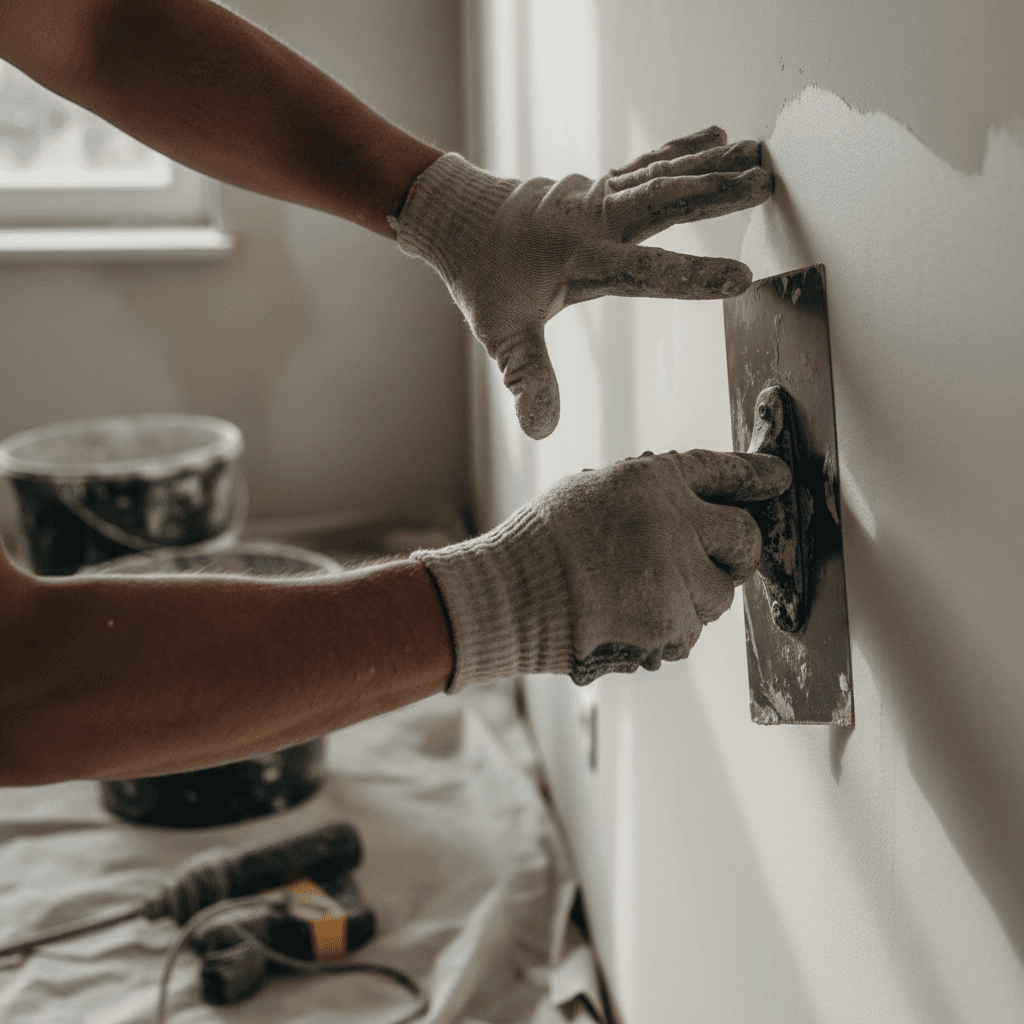
Lath and plaster repair Edinburgh is best achieved by cutting back damaged sections to the nearest studs and using either plasterboard patches or traditional lime plaster to restore the original finish. This specialized process preserves the structural integrity of tenement ceilings and walls while effectively fixing cracks, holes, and water damage.
Living in one of Edinburgh’s iconic tenements or period homes comes with a unique set of maintenance challenges. You might have noticed a fine web of cracks spreading across your ceiling or, more concerningly, a slight bulge that seems to shift when the upstairs neighbor walks by. These are not merely cosmetic flaws; they are the warning signs of aging lath and plaster systems. Neglecting these issues can lead to costly structural damage or sudden ceiling failure. In this guide, we will explore the specific anatomy of Edinburgh’s historic walls and explain how to identify when a minor crack requires a simple patch or a professional intervention. We will also delve into the critical debate between lime and gypsum materials, outline our meticulous repair process, and provide a clear overview of the costs associated with restoring your home’s original character.
Understanding the Anatomy of Edinburgh Tenement Walls

Walking into a period property in Marchmont, Stockbridge, or the New Town, you are surrounded by an ingenious historical building system: lath and plaster. Unlike modern homes that use mass-produced gypsum boards, Edinburgh’s Georgian and Victorian tenements rely on a handcrafted skeleton of timber and lime. Understanding this structure is essential for anyone considering lath and plaster repair Edinburgh.
The system starts with laths, which are thin, horizontal strips of wood, usually split pine or oak, nailed across timber studs or ceiling joists. When an experienced local plasterer applies the initial coat of wet plaster, they press it firmly against these strips so the mixture oozes through the narrow gaps. As the plaster slumps over the back of the wood and hardens, it forms a hook-like mechanical bond known as a "key." These keys are the only things holding the heavy weight of the plaster to the wall or ceiling.
In Edinburgh’s unique tenement architecture, you will encounter two primary applications. Internal partition walls are typically timber-framed, but the treatment of external sandstone walls is where local expertise is most visible. To bridge the uneven stone and provide a level surface, builders used "doots," which are small timber plugs or wedges driven directly into the mortar joints of the masonry. These doots provide the fixing points for timber strapping, to which the laths are then nailed. This creates a small cavity that allows the stone to breathe, a feature often compromised by modern, non-breathable repairs. Whether you are dealing with a minor crack or a sagging ceiling, we provide a range of plastering services designed to respect these original building methods. If you require professional plastering services in Edinburgh, identifying the condition of these internal keys is always the first step.
When a Simple Patch is Enough: DIY Repairs for Minor Cracks
Not every crack in a tenement wall requires a full-scale renovation. For many homeowners, a DIY lath and plaster crack repair is feasible if the damage is strictly cosmetic. Minor issues include hairline fractures or small impact chips where the surrounding plaster remains solid and immobile when pressed. Before reaching for a filler, you must confirm that the plaster hasn't "blown" or detached from the lath. A gentle tap with your knuckles should produce a sharp, solid sound rather than a hollow thud.
To achieve a lasting repair, do not simply smear filler over the surface. Use a shave hook or a sturdy flat-head screwdriver to rake out the crack into a "V" shape. This creates a wider channel and increases the surface area for the new material to grip. Once the channel is clear of dust, dampen the edges slightly with a spray bottle to prevent the old, dry plaster from sucking the moisture out of your repair mix too quickly. This step ensures the bond remains strong as it cures.
Product Type | Recommended Use | Key Advantage |
|---|---|---|
Fine-Surface Filler (e.g., Toupret) | Hairline cracks on internal walls | Minimal shrinkage and easy to sand |
Traditional Lime Putty | Period-accurate repairs | High breathability and flexibility |
Ready-Mixed Plaster Repair | Small chips or gouges | Convenient for non-structural gaps |
For high-quality finishes, an experienced local plasterer would suggest using a product like Toupret or a fine-grain lime putty. If a crack reappears within weeks of being filled, it usually signals something beyond a surface flaw. Properties located along busy Edinburgh bus routes or near the tram lines often experience constant micro-vibrations that exacerbate structural movement. In these cases, superficial patching will eventually fail, and you may need a range of plastering services to address the underlying stability of the wall or ceiling. Monitoring these "live" cracks is a crucial part of maintaining a tenement flat and knowing when to call for professional plastering services in Edinburgh.
Signs You Need a Professional Plasterer: The Ceiling Sag Test
While small cracks are often manageable, a bulge or sag in a high tenement ceiling is a much more serious concern. These symptoms usually indicate that the "keys" described previously have snapped or deteriorated over time. When this occurs, the plaster is no longer mechanically bonded to the timber laths; it is essentially hovering, held up only by the tension of old horsehair and the surrounding intact sections. This state is known as "blown" plaster. Because Edinburgh ceilings are frequently thicker and more ornate than modern equivalents, the weight involved is significant. A single square metre of traditional lime plaster can weigh upwards of 30kg. In the grander period rooms of the New Town or West End, a sudden collapse can be both dangerous and highly destructive.
To determine if your ceiling is at risk, you can perform a simple "sag test." Using a stable ladder, gently apply upward pressure with the palm of your hand near the center of a visible bulge. If the plaster feels spongy or moves independently of the timber joists above it, the bond has failed. At this stage, homeowners often ask, "Can lath and plaster be repaired, or must it be replaced?" The answer depends on the extent of the failure. An experienced local plasterer can often save an original ceiling through a professional process called pinning. This involves using specialized plaster washers and screws to re-secure the stable sections of plaster back to the timber joists, followed by a careful skim to hide the fixings.
Is replacing a ceiling a big job? In an Edinburgh tenement, the answer is almost always yes. It involves immense amounts of dust, the removal of heavy debris, and the potential loss of historic cornices. Opting for a professional assessment early can prevent the need for a full rip-out. Our range of plastering services includes stabilizing these historic structures before they reach a point of no return. If you notice movement during a sag test, securing professional plastering services in Edinburgh is the safest way to preserve your home’s character while ensuring the structural integrity of your lath and plaster repair Edinburgh.
Why Material Choice Matters: The Lime vs Gypsum Debate in Edinburgh
One of the most frequent mistakes in lath and plaster repair Edinburgh is the application of modern gypsum products, such as multi-finish or one-coat, onto traditional stone walls. While gypsum is convenient and sets quickly, it lacks the essential breathability required for Edinburgh’s sandstone tenements. Because stone is naturally porous, moisture must be allowed to travel through the wall and evaporate. Gypsum acts as a vapor barrier; it traps moisture behind the plaster, which often leads to damp patches, salt staining, and the eventual decay of the timber laths underneath.
While some DIY guides suggest a hybrid approach using modern construction adhesives or PVA to stabilize old surfaces, an experienced local plasterer will generally advise caution. These chemical bonds do not share the same thermal or moisture-movement characteristics as the original lime. In a professional context, we favor lime-based mortars or specific breathable bonding agents that ensure the wall can still breathe. This is particularly vital on external-facing walls where the temperature differential between the street and the interior is significant.
Material Property | Traditional Lime Plaster | Modern Gypsum (Multi-finish) |
|---|---|---|
Breathability | High (Vapor Permeable) | Low (Vapor Closed) |
Flexibility | High (Self-healing) | Low (Brittle) |
Setting Mechanism | Carbonation (Slow) | Chemical Set (Fast) |
Movement | Accommodates building shifts | Cracks under stress |
Lime's greatest advantage in a city with heavy traffic and tram-induced vibrations is its flexibility. As a tenement settles or shifts, lime plaster can accommodate micro-movements that would cause brittle gypsum to crack immediately. Choosing the right material as part of a broader range of plastering services ensures that the repair lasts decades rather than just a few seasons. If you are seeking professional plastering services in Edinburgh, the priority should always be compatibility with the building's original fabric.
The Lath and Plaster Repair Process: What to Expect
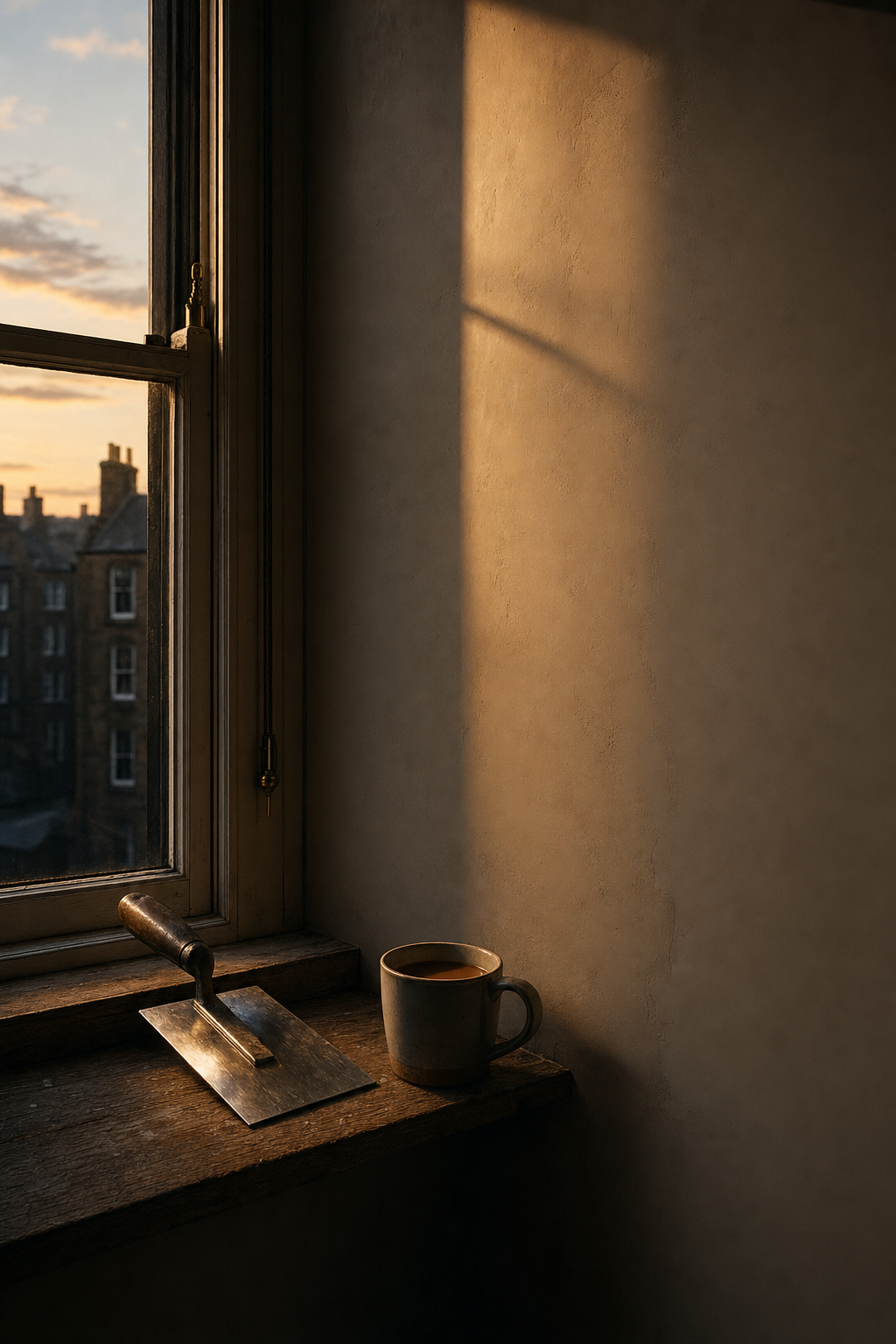
When you hire an experienced local plasterer for a traditional plaster lath ceiling repair, the process is significantly more involved than the common DIY tactic of cutting out a section and screwing in a piece of modern plasterboard. While patching with board is faster, it creates a flat, lifeless surface that lacks the acoustic mass of the original wall. This often leads to increased noise transfer between tenement floors, a common complaint in shared buildings.
A professional lath and plaster repair Edinburgh begins with a rigorous assessment of the timber skeleton. We inspect the laths for signs of dry rot or woodworm and ensure they remain firmly attached to the joists or stone doots. Any loose or snapped laths are replaced or re-secured using stainless steel or galvanised fixings. This prevents rust from bleeding through the finished surface over time, a frequent issue when using standard nails.
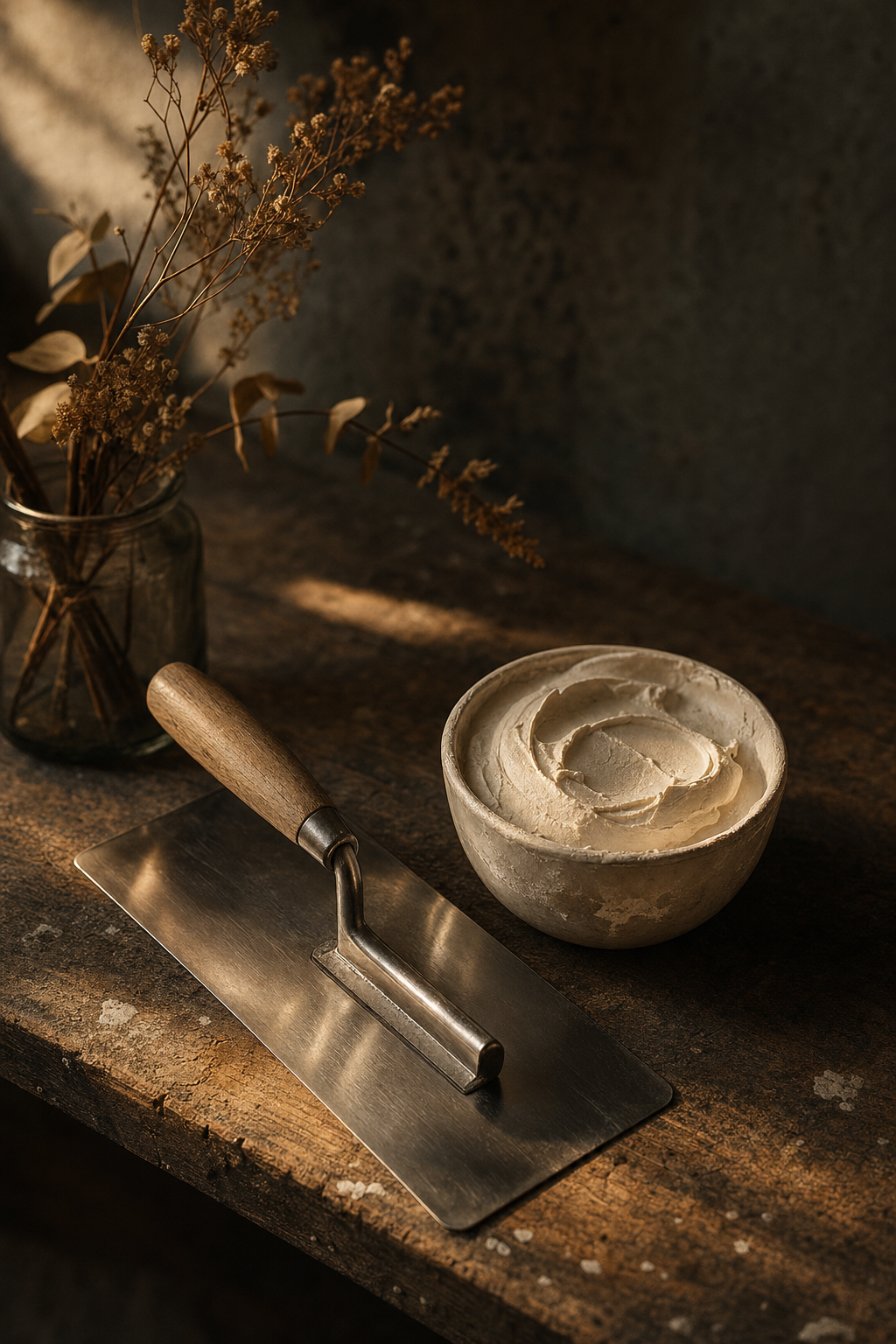
The first layer of wet plaster, known as the scratch coat, is then applied. This mixture is heavily reinforced with animal hair or synthetic fibres, which act like rebar in concrete to provide essential tensile strength. As the plaster is forced through the gaps, it forms the crucial keys. Once set, the surface is 'scratched' to provide a mechanical grip for the brown coat, which is used to level out undulations and create a plumb surface. Finally, a thin skim coat is trowelled to a glass-smooth finish. This multi-layered approach, offered as part of our range of plastering services, maintains the building’s thermal mass. For homeowners seeking professional plastering services in Edinburgh, this traditional method ensures the repair remains a permanent part of the home's fabric.
Lath and Plaster Repair Cost in Edinburgh
Estimating the cost of lath and plaster repair Edinburgh involves several variables unique to the city's architectural landscape. One primary factor is accessibility. The soaring ceiling heights typical of Georgian New Town flats or grand Victorian tenements often necessitate specialized scaffolding or towers, adding to the labor time compared to a standard modern room. An experienced local plasterer usually categorizes work into two tiers based on the severity of the bond failure.
Service Type | Scope of Work | Typical Duration |
|---|---|---|
Minor Patching | Localized crack repair and surface filling | Half to full day |
Over-boarding | Securing new board over stable existing lath | 2 to 3 days |
Full Re-lathing | Stripping to joists and applying new lime coats | 5+ days (plus drying time) |
Minor patching for localized cracks typically falls under a standard call-out fee plus material costs, making it a manageable maintenance task. However, comprehensive solutions like over-boarding or full re-lathing are multi-day projects. These involve significant preparation to protect original floorboards and intricate cornices from dust. While the price of traditional wet plastering might be higher than a quick plasterboard fix, the investment protects your property's market value. Replacing historic features with modern materials often results in a permanent loss of character and sound insulation. Selecting from a range of plastering services tailored to period homes ensures your budget is spent on preservation. For those requiring professional plastering services in Edinburgh, the focus should be on the longevity of the repair rather than the lowest initial quote.
Preserving the historic charm of Edinburgh tenements requires a careful approach to lath and plaster repair. While minor cracks are often manageable for a dedicated homeowner, restoring larger sections demands specialized knowledge and traditional techniques to ensure structural stability. If you want expert help to maintain the integrity of your period property, professional Plastering services can provide the lasting finish your home deserves. Our team understands the unique requirements of local architecture; we are always here to help you protect your investment.