
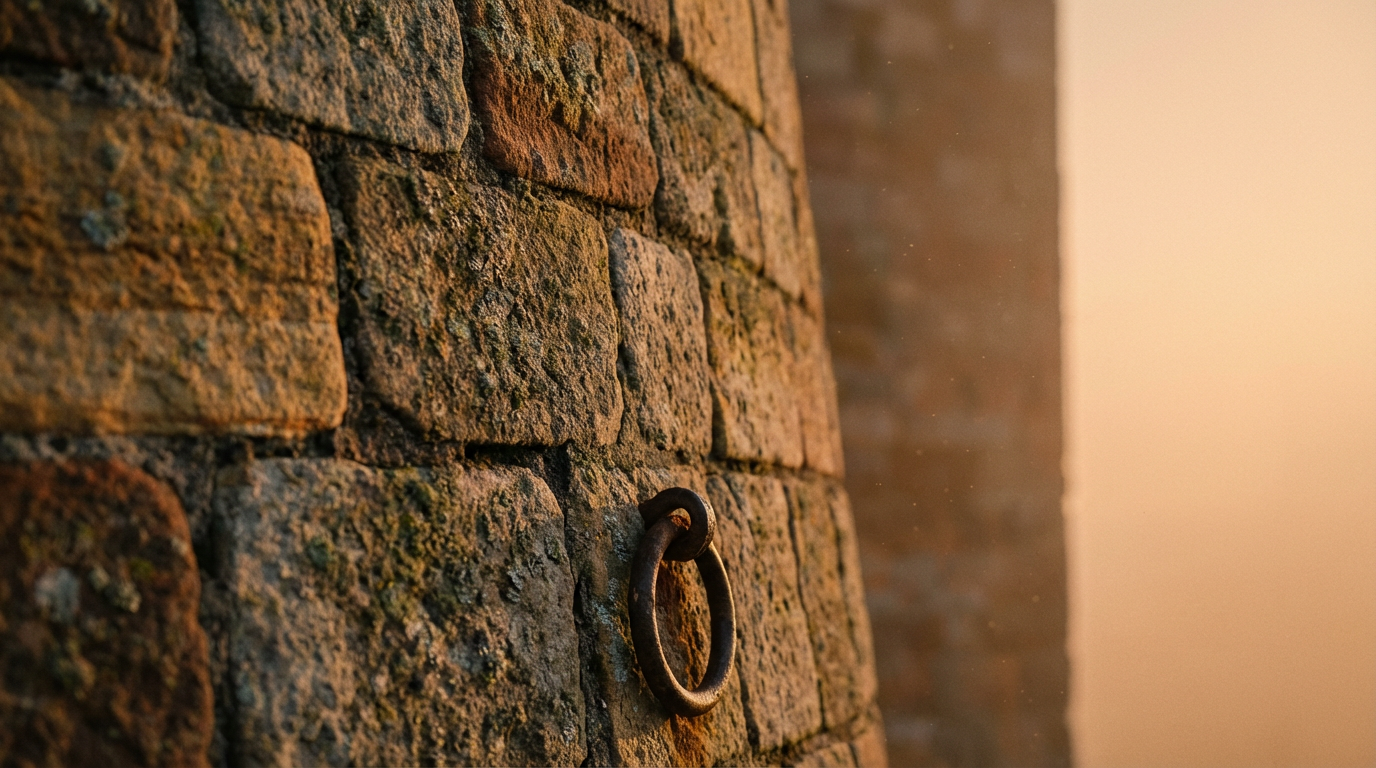
Edinburgh tenement walls are constructed from traditional sandstone and finished with breathable lime plaster to regulate moisture and prevent damp. Effective maintenance requires using lime-based materials and specialist finishes that preserve the building's natural breathability. Avoiding modern, non-porous alternatives is essential for protecting the structural integrity of these historic period properties.
If you have ever tried to hang a heavy mirror only to have the plaster crumble or noticed a persistent chill despite the heating being on, you understand the unique frustrations of Edinburgh tenement living. These historic walls are architectural marvels, yet they operate on principles entirely different from modern construction. At PlasterTec, we know that maintaining these spaces requires more than a quick fix; it demands a deep respect for traditional materials and the science of breathability. In this guide, we will break down the layered anatomy of stone and lath, explain why lime plaster is essential for managing Scottish humidity, and provide practical advice for decorating without causing damage. You will gain the expertise needed to preserve your period home, from identifying structural warning signs to mastering the art of living well within these historic stone envelopes.
The Anatomy of an Edinburgh Tenement Wall
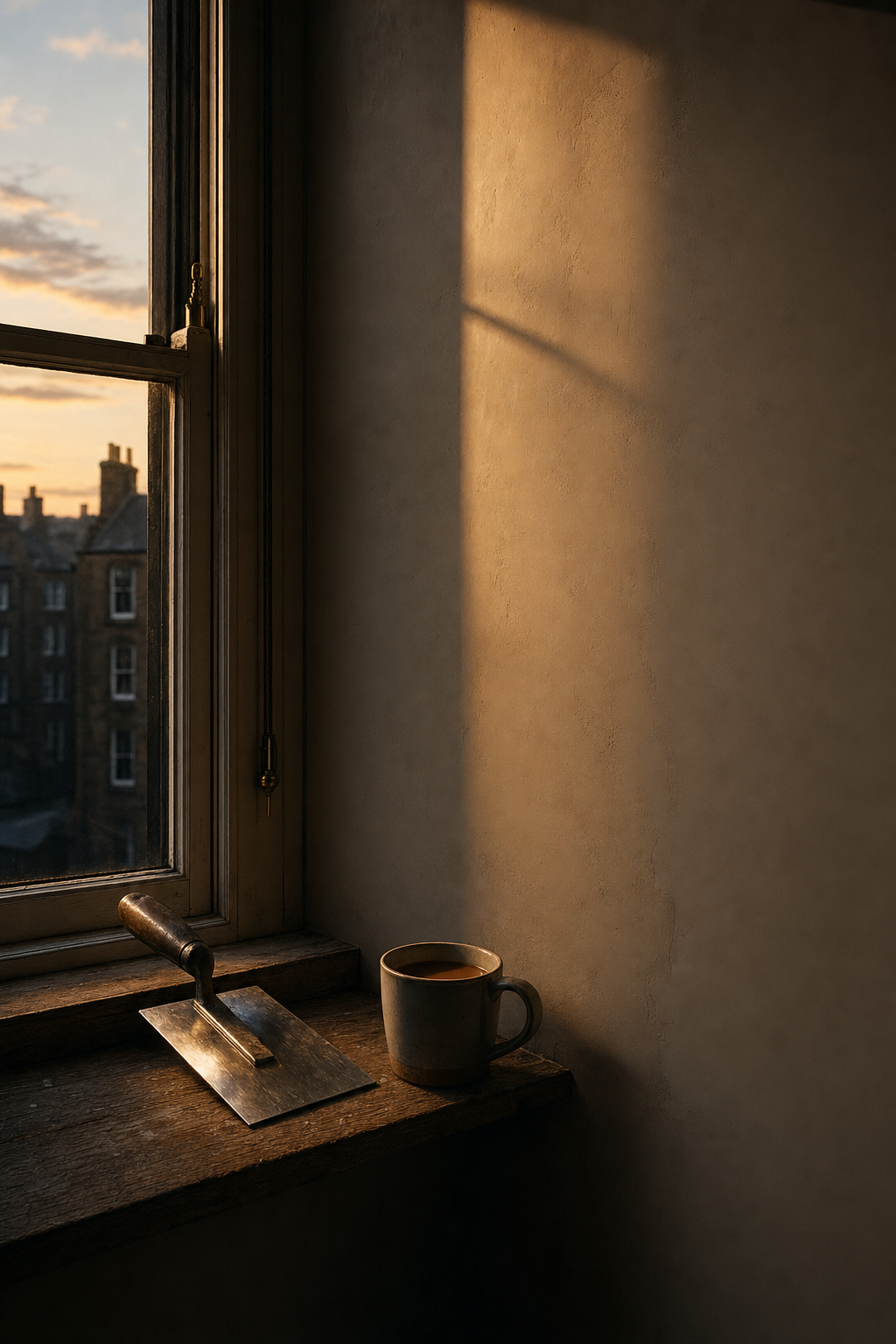
When you peel back the layers of wallpaper in a flat in Marchmont, Leith, or Bruntsfield, you are looking at a construction system that has stood for over a century. Edinburgh tenement walls are not solid blocks of stone; they are sophisticated, breathable systems designed to manage the Scottish climate. The primary structure consists of massive external blocks of blonde or red sandstone, often reaching thicknesses of 600mm or more. These stones are bedded in a soft, sacrificial lime mortar. Unlike modern cement, this mortar allows for slight movement and moisture evaporation, which is essential for the longevity of the building fabric.
Behind this stone exterior sits a secondary timber framework. On the internal face of external walls, and forming the entirety of internal partitions, you will find lath and plaster. This construction involves thin, horizontal wooden strips, known as laths, nailed to timber studs. A wet mix of lime, sand, and often horsehair for reinforcement is pressed through the gaps between these laths. This process creates a "key" where the plaster curls over the back of the wood, securing the entire surface in place once it cures.
It is vital to distinguish between the load-bearing masonry walls and the internal partitions. The heavy stone walls provide the structural integrity of the tenement, while the internal walls are often lightweight timber frames. This explains why your floorboards might vibrate or a door might rattle when a neighbor closes their entrance; the timber structure is designed to be flexible rather than rigid. Understanding this anatomy is the first step for any local Edinburgh plasterer assessing repairs. If you notice cracks in tenement walls, it often indicates that the bond between the lime plaster and the timber lath has weakened over time. For homeowners looking to restore these surfaces, engaging professional plastering services in Edinburgh ensures that the specific materials and historic techniques required for these unique buildings are respected.
Why Your Walls Need to Breathe: The Magic of Lime Plaster
Edinburgh tenement walls are not static structures; they are dynamic systems that manage moisture through evaporation. This characteristic is often referred to as breathability. Traditional lime plaster is the key to this process. Unlike modern gypsum plaster, which forms a dense, crystalline structure that traps moisture, lime is porous. It acts as a natural dehumidifier by absorbing excess airborne moisture during damp winters and releasing it back into the room as the air dries. This cycle prevents the accumulation of liquid water within the wall fabric.
Feature | Traditional Lime Plaster | Modern Gypsum Plaster |
|---|---|---|
Moisture Management | Breathable; allows evaporation | Non-breathable; traps moisture |
Flexibility | High; moves with the building | Low; prone to brittle cracking |
Environmental Impact | Absorbs CO2 during curing | High carbon footprint |
Longevity | Can last centuries if maintained | Susceptible to damp and rot |
A common mistake in period property renovation is the application of modern tanking systems or thick, plastic-based emulsion paints. These materials create an impermeable barrier, effectively sealing the wall like a plastic bag. When moisture enters the sandstone from the outside, it becomes trapped behind the paint. This pressure eventually causes the plaster to lose its bond with the timber laths, resulting in blown sections or unsightly damp patches.
Engaging professional plastering services in Edinburgh that understand these traditional mechanics is essential for the building's health. A local Edinburgh plasterer will recognize that using lime is not just a stylistic choice but a technical necessity. By allowing the masonry to breathe, you ensure the long term sustainability of the structure and prevent the moisture-related decay that often plagues older flats.
Hanging Heavy Items on Lath and Plaster Walls
Hanging a heavy mirror or mounting a flat-screen TV on Edinburgh tenement walls presents a unique challenge compared to modern homes. Standard plastic wall plugs, which rely on friction against a solid surface, are largely ineffective here. If a plug expands against the thin wooden laths; it often splits the wood or causes the surrounding lime to crumble. This localized stress can lead to unsightly cracks in tenement walls or, in the worst cases, a total failure of the fixing that brings a section of plaster down with it.
For significant weight, your primary goal is to locate the vertical timber studs behind the plaster. These studs are the structural backbone of the partition. While a digital stud finder can be useful, its readings are often confused by the density of the lime and hair mixture. A more reliable method is to gently tap the wall and listen for a change from a hollow sound to a solid thud. Alternatively, you can use a strong magnet to find the rows of nails that secure the laths to the studs, which reveals the stud's location.
Load Category | Recommended Fixing | Strategy |
|---|---|---|
Light (Pictures) | Picture hooks | Small nails driven into lath at an angle |
Medium (Shelves) | Spring toggles | Expands behind the lath to spread the load |
Heavy (TVs, Mirrors) | Wood screws | Must drive directly into the vertical timber studs |
When dealing with "bed-closet" conversions or grand lounge walls where the plaster might be over a century old, the bond between the lath and the timber can be fragile. You must also be cautious of hidden services; tenement walls often conceal aging gas pipes or original wiring that does not follow modern zones. If you notice any movement or a bouncy feel when applying pressure to the wall, it is wise to consult a local Edinburgh plasterer before proceeding. Professional professional plastering services in Edinburgh can assess the structural integrity of the lath system, ensuring your heavy items remain secure without damaging the historic fabric of the flat.
Managing Condensation and Humidity in Older Flats
Living in a tenement requires a proactive approach to moisture management, especially when the Haar, the thick coastal fog from the North Sea, rolls into the city and spikes humidity levels. Because Edinburgh tenement walls are made of dense sandstone, they act as a thermal mass that remains cool. If you push a large wardrobe or sofa flush against an external wall, you eliminate airflow and create a pocket of stagnant, cold air. This leads to surface condensation and eventually mould growth behind the furniture. Always maintain a gap of at least 50mm to allow the lime plaster to breathe and regulate the internal climate effectively.
Proper ventilation is equally critical. If your flat still features original sash windows, ensure you use trickle vents or night vent settings. Without this steady exchange of air, moisture from daily activities like showering or boiling a kettle will settle on the coldest surfaces, often the corners of the room or the window reveals.
Symptom | Likely Cause | Primary Action |
|---|---|---|
Black spotting in corners or behind furniture | Lifestyle Condensation | Increase airflow and consistent heating |
Localised staining near the ceiling | Leaking rhone (gutter) or roof | External masonry or gutter repair |
Persistent damp at floor level | Rising damp or bridged stone | Consult a local Edinburgh plasterer |
If a damp patch remains regardless of how much you ventilate, it likely indicates a building fabric issue rather than a lifestyle one. In these cases, seeking professional plastering services in Edinburgh is necessary to determine if the lime has become saturated or if there is a breach in the external stone. Dealing with these issues early prevents the development of more serious cracks in tenement walls caused by moisture induced timber decay or salt contamination.
Common Signs Your Tenement Walls Need Professional Repair
Identifying when a wall requires intervention rather than a simple cosmetic patch is critical for the safety and value of your home. The most common indicator of "blown" plaster is a hollow, drum like sound when the surface is gently tapped. This sound confirms that the plaster has detached from the timber lath, meaning the physical "key" described in earlier sections has snapped or crumbled. In high ceilings or grand lounge walls, this can be a precursor to large sections of plaster falling away unexpectedly.
Symptom | Appearance or Sound | Potential Cause |
|---|---|---|
Spiderweb Cracking | Fine, shallow lines across the surface | Natural aging or excessive paint layers |
Structural Cracking | Deep, wide, or diagonal fissures | Subsidence or failing timber laths |
Efflorescence | White, fuzzy, salty deposits | Moisture pushing minerals through masonry |
Bulging | Surface looks "pregnant" or wavy | Lath has pulled away from the studs |
While fine cracks in tenement walls are often just "tenement character" caused by seasonal thermal expansion, deep fissures require a local Edinburgh plasterer to investigate. If you spot efflorescence on the internal face of an external wall, it suggests that water is moving through the sandstone and carrying salts with it. This usually points to perished lime mortar in the external masonry or a failure in the building's outer skin.
Because the external envelope of a tenement is a shared responsibility among all flat owners in the block, addressing these masonry issues early is essential before booking professional plastering services in Edinburgh to remediate the internal damage. If the mortar has turned to dust or the lath has rotted behind the plaster, the internal surface will never be truly stable until the underlying structure is secured.
Living with Lime Plaster: Decorating and Maintenance Tips
Once you have confirmed the structural health of your Edinburgh tenement walls, the final step is ensuring your aesthetic choices do not compromise the building's performance. Stripping wallpaper in a period flat often feels like an archaeological dig; you might uncover everything from heavy Victorian embossed papers to layers of 1970s floral prints. During this process, be prepared for the "sand" that inevitably pours from behind the boards or skirting. This material is usually perished lime mortar or accumulated dust that has settled over a century. Instead of panicking, vacuum the debris out and check that the timber lath behind it remains dry and intact.
When it comes to redecorating, the rule is simple: if the coating isn't breathable, it does not belong on lime. Traditional vinyl emulsions act like a plastic film, effectively suffocating the wall and trapping moisture. Instead, opt for clay based paints or silicate paints. These specialized finishes allow moisture vapor to pass through the paint film, preventing the bubbling and peeling often seen in poorly ventilated tenement rooms.
Paint Type | Primary Benefit | Recommended Use |
|---|---|---|
Clay-based Paint | Highly breathable; naturally absorbs odors | Bedrooms and lounge areas |
Silicate Paint | Forms a chemical bond with the mineral substrate | External stone-facing walls |
Limewash | Traditional, antiseptic, and highly vapor-permeable | Cellars or authentic restorations |
For maintenance, avoid standard hardware store fillers which are often too hard and non porous for lime surfaces. Use a dedicated lime based filler to patch picture hook holes or minor cracks in tenement walls. If a larger area feels bouncy or sounds hollow when you press it, contact a local Edinburgh plasterer to discuss stabilization rather than just filling the surface. Utilizing professional plastering services in Edinburgh to maintain the authentic finish ensures you preserve the unique texture and historic integrity that defines these iconic Scottish homes.
Caring for an Edinburgh tenement requires a deep appreciation for traditional materials and construction methods. By understanding how your walls breathe and age, you can maintain the unique charm and structural integrity of your period home. If you want expert help navigating the specific challenges of lath and plaster, or if you require professional Plastering to restore your flat to its former glory, our team is available to assist. We specialize in historic properties and can ensure your home receives the specialized attention it deserves.