

New homeowners must prioritize inspecting Edinburgh tenement walls first weeks for signs of damp, peeling plaster, and hidden leaks to avoid long-term structural decay. It is crucial to verify if internal walls are shared with adjacent buildings before drilling; meanwhile, any moisture issues should be reported to insurance or property factors immediately.
Stepping into your first Edinburgh tenement is an iconic milestone; however, the initial excitement often gives way to a creeping uncertainty when you notice a hairline crack or a persistent, earthy scent in the hallway. These historic homes are architectural triumphs that require a specific understanding of traditional materials. Ignoring a soft patch of plaster or a cold chimney breast during your first few weeks can lead to costly structural headaches later. At PlasterTec Edinburgh, we believe that preservation starts with early detection. This guide provides the practical expertise you need to navigate your new home. You will learn how to perform a simple tap test on lath and plaster, how to differentiate between harmless condensation and rising damp, and how to prioritize repairs when faced with a century of hidden renovations. By mastering these basics, you ensure your tenement remains a sound investment for decades to come.
Welcome to Tenement Living: Why the First Weeks are Crucial
Moving into a classic Edinburgh tenement in areas like Marchmont, Bruntsfield, or Leith is a rite of passage for many in the city. These iconic sandstone buildings offer unmatched character, yet the initial period of occupancy is when you truly begin to understand the fabric of your home. The first few weeks with Edinburgh tenement walls are crucial because, for the first time in perhaps decades, the surfaces are fully exposed and visible in their entirety.
Home surveys are helpful, but they rarely involve moving the heavy mahogany wardrobes or floor to ceiling bookshelves that may have occupied the same spot since the 1980s. When the previous owners vacate, you often find shadows on the plaster where air circulation was restricted or where structural shifts were masked by large furniture. This transition period is your best opportunity to conduct a thorough audit of your stone and plaster surfaces while the rooms are still relatively empty.
The goal during this phase is not to panic over every minor hairline crack, but to establish a baseline for the health of your home. By observing how the walls react to the Scottish climate without the buffer of someone else's belongings, you can identify which areas require professional plastering in Edinburgh and which are merely cosmetic. Taking the time to look closely now ensures that small issues do not evolve into costly repairs once you have finished your interior decorating.
The Tap Test: Understanding Lath and Plaster
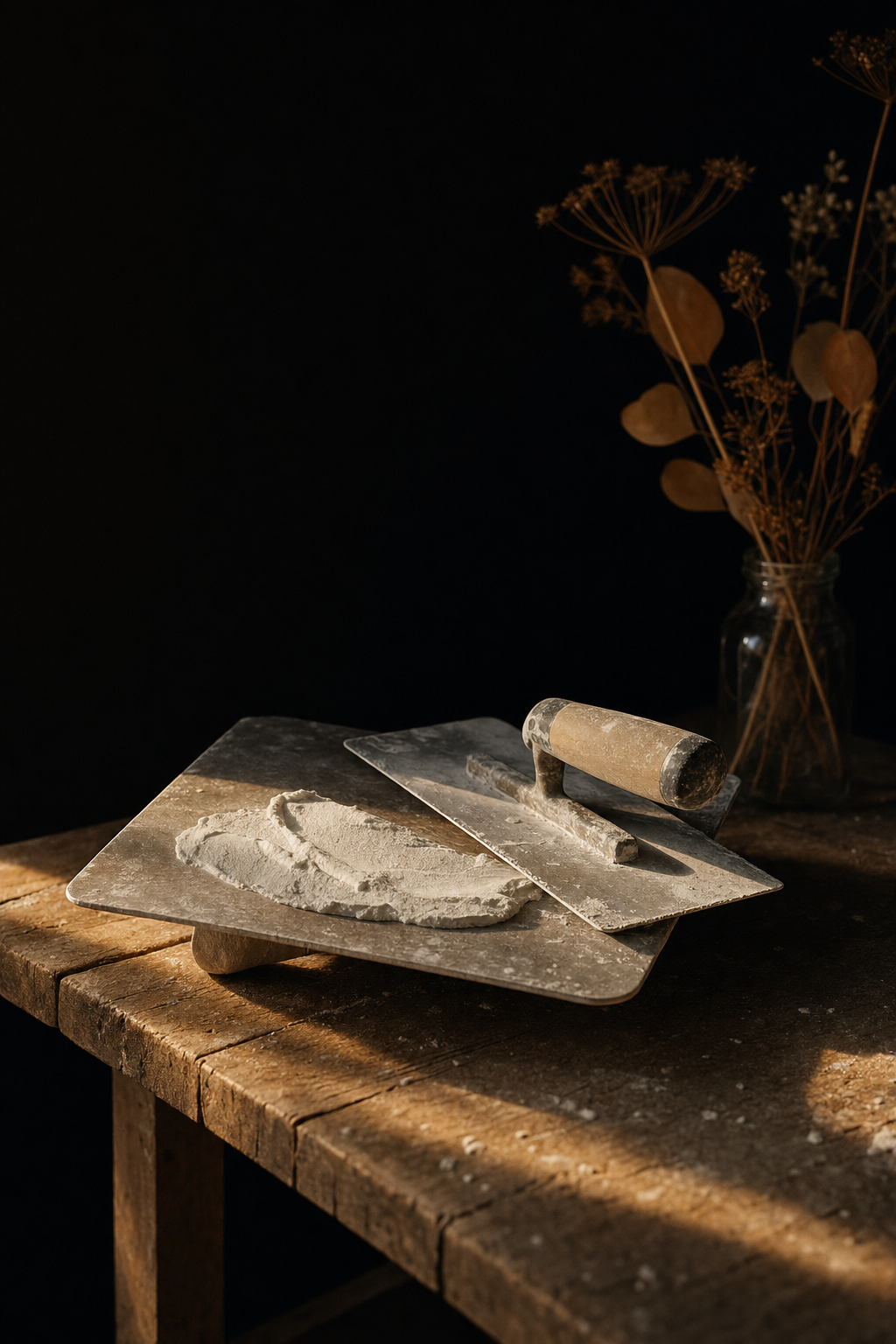
Most new owners in Edinburgh are accustomed to the uniform, solid feel of modern gypsum plasterboard. However, the walls in your tenement are likely constructed using lath and plaster, a traditional system where thin horizontal strips of wood are nailed to the timber frame. The plaster is applied in layers, squeezing through the gaps between the laths to create keys that lock the material in place. Over a century of vibrations from city traffic or subtle building movement can cause these keys to snap, leading to what tradespeople call blown plaster.
During these Edinburgh tenement walls first weeks, you should perform a simple diagnostic known as the tap test. Walk along the perimeter of your rooms and gently knock on the walls with your knuckles. A healthy, well bonded section of plaster will produce a dull, solid thud. Conversely, blown plaster will emit a distinct hollow or drum like resonance. This indicates that the plaster has physically detached from the wooden laths and is essentially hanging by its own weight or the tension of the surrounding wallpaper.
Small, localized hollow sounds often indicate a minor patch repair is needed. However, if a large section of the wall feels flexible when pressed or sounds hollow across its entire width, the internal structure may be nearing the end of its functional life. Identifying these areas early allows you to decide if you need professional plastering in Edinburgh to secure the surface before you begin painting; heavy modern wallpapers or damp paint can occasionally pull loose plaster away from the wall entirely if the bond is already failing.
Identifying the Edinburgh Smell: How to Tell if Your House is Damp

While the tap test reveals structural health, your nose is often the first tool to detect moisture issues. That familiar, heavy, musty "old building" scent is so prevalent in the city that residents often mistake it for character, but it usually indicates active dampness trapped within the masonry. During the Edinburgh tenement walls first weeks, you must determine if this smell is simply a lack of ventilation or a sign of a more serious moisture ingress.
In the context of Edinburgh's unique architecture, the location of your flat dictates the type of damp you are likely to encounter. Ground floor and basement properties are particularly susceptible to rising damp, where moisture from the soil is pulled upward through the porous sandstone. Conversely, top floor flats often face penetrating damp. This typically originates from the roof, blocked valley gutters, or the communal cupola, the large glass skylight over the stairwell that is notorious for slow leaks.
As you clear out the rooms, look for these specific visual indicators:
Salt Blooming: This appears as a white, fluffy, or crusty powder on the plaster surface. It occurs when moisture evaporates, leaving behind mineral salts that can eventually push the plaster off the wall.
Furniture Shadows: Inspect the areas where the previous owner's sofa or wardrobes stood. If you find peeling wallpaper or dark, tide-like stains, it suggests that the wall has been holding moisture without the benefit of air circulation.
Soft Plaster: If the surface feels damp to the touch or crumbles under light pressure, the internal bond is likely compromised.
Edinburgh's coastal climate adds significant moisture pressure to these buildings. The North Sea haar and frequent driving rain mean that even well maintained stone can become saturated. If you identify these signs early, a local Edinburgh plasterer can help you differentiate between simple condensation and a failure in the building's damp proofing. Addressing these issues before you commit to professional plastering in Edinburgh ensures your new finish will not be ruined by recurring damp patches a few months down the line.
Hidden Sins Behind the Wardrobe: What to Check After the Move
Once the previous occupant's heavy furniture is finally removed, the true state of the masonry is often revealed. Sellers frequently use cosmetic quick fixes to mask underlying issues during the sales process. You should look closely for patches of Polyfilla or heavy layers of woodchip wallpaper used to bridge structural cracks or hide localized dampness. During these Edinburgh tenement walls first weeks, pay close attention to the areas that were previously obscured by wardrobes or bookcases, as these lack the airflow needed to keep traditional plaster healthy.
The areas surrounding your original case and sash windows are particularly vulnerable. Inspect the timber shutters and the surrounding plasterwork for signs of softening or crumbling. In many Edinburgh properties, faulty external pointing or cracked stonework allows water to seep behind the window frame, rotting the timber lintels and degrading the internal plaster. If you find that the plaster behind a shutter is dusty or detaches easily when touched, it usually indicates a long term ingress issue rather than a simple cosmetic crack. Spotting these hidden sins early allows you to consult a local Edinburgh plasterer before you begin any expensive decorative work. Checking the corners of every room for darkening or tide marks will also help you determine if the external stone or traditional rendering is failing to shed water effectively.
Chimney Breasts and Shared Walls: The Tenement Connection
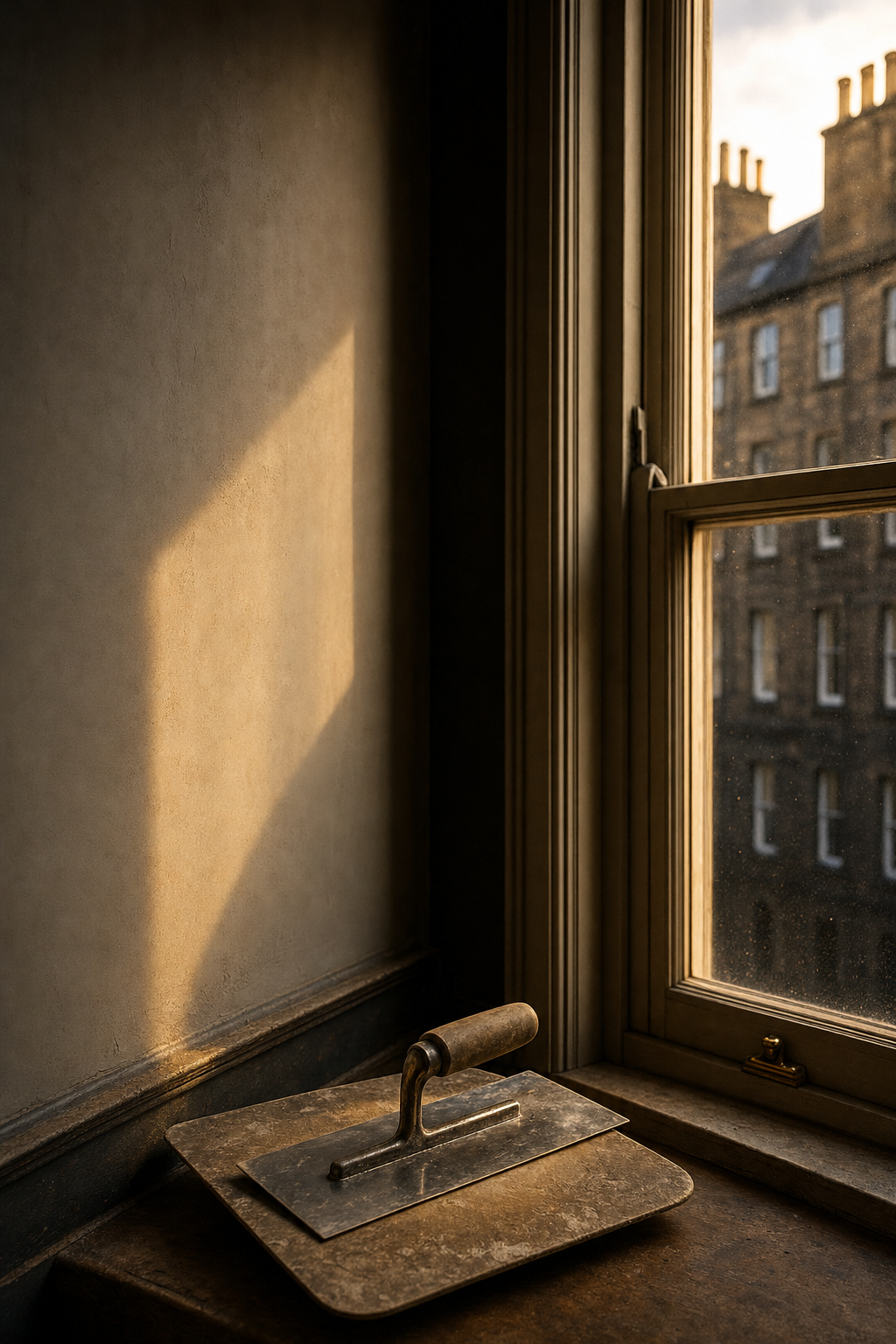
In your Edinburgh tenement walls first weeks, it is vital to recognize that your internal surfaces are part of a communal ecosystem. Most principal rooms in these properties feature a chimney breast; while your fireplace might be decorative or sealed, the flues remain part of a shared masonry stack that serves every floor in the tenement. This interconnectedness means that a moisture issue in a neighbor's flat or a failure at the roofline can quickly become your problem.
Shared chimney stacks are a frequent source of mystery damp. If a neighbor above has an uncapped chimney pot or if the external lime mortar on the stack has eroded, rainwater can travel down the internal flues. This moisture often mixes with historical soot deposits, manifesting as a distinctive brown or yellowish stain on your plaster. To catch these issues early, use your first heavy Edinburgh rainstorm as a diagnostic event. Closely inspect the plaster around fireplaces and along the ceiling of the chimney breast for any darkening or cold spots.
If you notice persistent staining that returns after being painted over, it suggests an active leak rather than a historical one. In such cases, a local Edinburgh plasterer can help determine if the damage requires professional plastering in Edinburgh once the communal repair to the stack is resolved. Identifying these shared wall issues during your move-in phase prevents you from wasting money on cosmetic repairs that would otherwise be ruined by the next coastal storm.
How Long Does It Take for a Damp Wall to Dry Out?
One of the most common questions during the Edinburgh tenement walls first weeks is how long a damp patch will take to disappear. Professional realism is essential here; these heritage buildings are constructed from thick, porous sandstone that acts like a giant sponge. Once the external source of ingress, such as a blocked gutter or a leaking cupola, has been repaired, the drying process begins, but it is exceptionally slow. A general industry rule of thumb is to allow one month of drying time for every inch of wall thickness. In a tenement where external walls can be 24 inches thick, this process can realistically take over a year to reach equilibrium.
It is tempting to rush this by using modern gypsum plaster or waterproof tanking slurries to mask the damp. However, professional plastering in Edinburgh for period properties prioritizes breathable lime based materials. Sealing moisture inside the stone with non-porous materials traps water, eventually leading to stone decay and the spalling of the external masonry. Using a local Edinburgh plasterer who understands these drying cycles ensures that your wall can breathe as it sheds residual moisture naturally, protecting the structural integrity of the stone.
Prioritizing Your Repairs: From Cosmetic to Structural
The primary goal during your Edinburgh tenement walls first weeks is triage. You must distinguish between urgent structural failures and harmless cosmetic defects. Prioritize external leaks, roof repairs, and damp proofing above all else. If you spend money on a high quality skim coat while a gutter is still overflowing onto the sandstone, that investment will be lost within a single winter season.
When you begin seeking quotes, remember that the plasterer Edinburgh cost is significantly higher if you have to pay for the same job twice. It is far more economical to fix a failing chimney stack or a cracked stone lintel before calling in a specialist for professional plastering in Edinburgh. Seek out a local Edinburgh plasterer who specifically understands period properties and the nuances of lime versus gypsum. Hairline cracks in a corniced ceiling are often stable and can wait for your decorating budget to catch up. However, "live" moisture or bulging lath and plaster are active risks that require immediate professional attention to prevent further decay of the building's timber frame.
Managing the unique quirks of Edinburgh tenement walls requires a blend of patience and specific knowledge. These first few weeks are all about understanding the materials used in your home and planning your renovations with care. If you want expert help navigating the complexities of traditional plasterwork, visit our About page to learn more regarding our heritage and experience. We aim to help homeowners protect their property while achieving a perfect finish. Taking the right steps now ensures your historic home remains structurally sound and visually stunning.