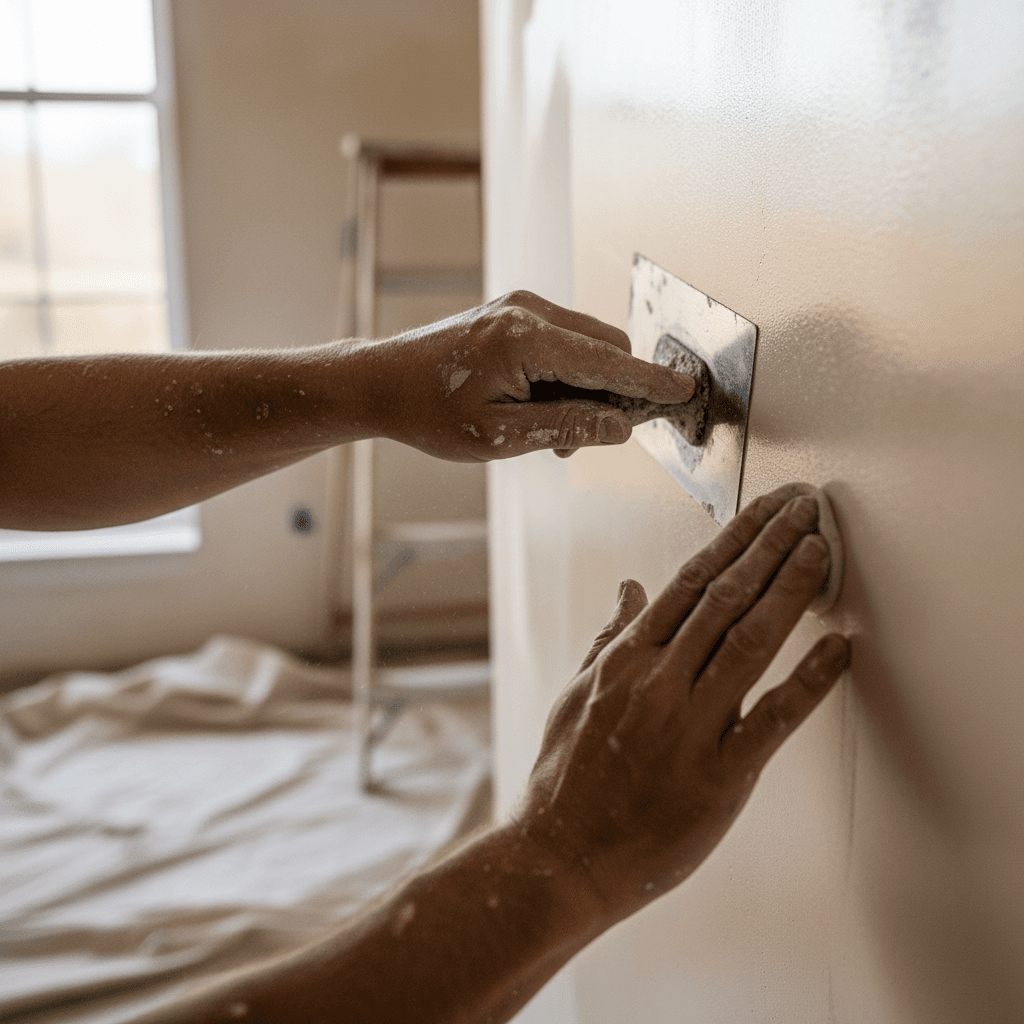

Repairing plastering after water damage Edinburgh involves thoroughly drying the structure before stripping back salt-damaged or blown material to the masonry. Specialist contractors typically combine structural stabilization with traditional skimming or cornice restoration to return properties to their original condition; this ensures a durable finish that resists future damp issues.
Discovering a damp, discolored patch on a delicate lath and plaster ceiling is a distressing experience for any Edinburgh period homeowner. In our city's historic Georgian and Victorian properties, water ingress is rarely just a surface issue; it often signals a threat to the structural integrity and heritage features of your home. Addressing these leaks promptly is essential to avoid mold growth or complete ceiling failure, yet the restoration of historic plaster requires a level of expertise beyond standard modern repairs. This guide provides a practical roadmap for navigating the aftermath of a leak. You will learn how to identify early warning signs, the necessary drying times for traditional materials, and the specific process our craftsmen use to restore damaged ceilings. From assessing repair costs to choosing the right specialists, we offer the expert insights needed to protect your property's architectural legacy.
Recognizing the Signs of Water Damage in Edinburgh Period Properties

Living in an Edinburgh tenement or a Georgian townhouse brings unique challenges when it comes to moisture management. Unlike modern plasterboard, which often absorbs water like a sponge and softens almost immediately, the traditional lath and plaster found across Marchmont and the New Town reacts differently. Because these materials are thicker and more porous, they can sometimes mask a leak for a significant period before the damage becomes critical.
Early detection usually starts with visual "tide marks." These are distinct brown or yellow stains caused by water reacting with the soot, dust, and mineral salts trapped within old masonry or the plaster layers. In high Georgian ceilings, a leak might not manifest as a drip for weeks; instead, you may notice a subtle darkening of the cornice or a patch of paint beginning to flake and peel. These cosmetic signs are early warnings that moisture is migrating through the substrate.
The most critical distinction for a homeowner is identifying when a stain has become structural damage. This occurs when plaster becomes "blown." In traditional construction, plaster is held in place by "nibs" or "keys," which are the sections of mortar squeezed between wooden lath strips. Water ingress weakens these keys, causing them to snap. If you notice a visible bulge or sagging section, the plaster has likely detached from the timber. You can test this by gently tapping the area; a healthy ceiling sounds sharp and solid, whereas damaged sections produce a distinct, drum-like hollow sound. Identifying these signs early is the first step toward effective professional plastering services and preventing a total ceiling collapse.
Immediate Steps to Take Before Calling an Edinburgh Plasterer
Once you identify the signs of a leak, your priority is containment. No amount of high quality finish will last if the substrate is still receiving moisture. In Edinburgh, leaks frequently stem from shared tenement plumbing or failing slate roofs. You must ensure the source is 100 percent resolved by a plumber or roofer before booking a professional. If you skip this, mineral salts will continue to migrate through the new finish, causing immediate failure.
If you notice a significant sag in a lath and plaster ceiling, you must relieve the water pressure to prevent a total collapse. Carefully place a bucket underneath the bulge and use a small drill bit or a bradawl to pierce a pilot hole at the lowest point. This allows trapped water to drain safely, potentially saving the surrounding historic cornicing from being dragged down by the weight of the saturation.
Documentation is the next critical step. Take clear, high resolution photographs of the damage, the source of the leak, and any temporary repairs. This evidence is vital for insurance claims, particularly in areas like Morningside where professional builders require detailed records to support reinstatement quotes. Only once the area is structurally stable and the water ingress has stopped should you contact a local Edinburgh plasterer to discuss the next steps for plastering after water damage Edinburgh.
How Long Does Plaster Take to Dry After Water Damage?
The most common question homeowners ask after a leak is how soon they can return their room to normal. In the unique climate of East Scotland, the answer depends heavily on the specific construction of the building. You must distinguish between the time required for the substrate to dry and the time the new plaster takes to set.
When coordinating plastering after water damage Edinburgh property owners must account for the specific drying characteristics of lath, lime, and stone. In traditional stone buildings, moisture can penetrate deep into the masonry. While modern plasterboard might dry in a few days, solid stone walls can take weeks or even months to fully expel moisture after significant saturation. If a local Edinburgh plasterer applies new materials to a wall that is still damp internally, the moisture will eventually push through, bringing mineral salts with it and ruining the new finish. We generally advise that the underlying structure feels bone dry to the touch and shows no darkened patches before work commences.
Once the repair is applied, the 5 to 7 day rule typically applies to fresh gypsum plaster. During this window, the plaster transitions from a dark pink or grey to a uniform light pink, indicating it is ready for a mist coat of paint. However, you must resist the temptation to force dry the area. Using high heat or industrial space heaters directly on the repair causes the surface to dry too quickly while the backing remains wet. This leads to shrinkage cracks and can compromise the bond. Instead, maintain a steady ambient temperature and ensure good ventilation to allow the professional plastering services to cure naturally.
Repair vs Replace: Assessing Ceiling Damage After a Leak
Deciding between a targeted patch and a full re-skim requires a professional assessment of the plaster's structural integrity. This decision hinges on whether the material is "blown." In many Edinburgh tenements, water saturates the layers, causing the bond between the base coat and the finishing plaster to fail. If the surface feels springy or moves when pressed, the internal bond is lost.
For minor leaks where the wooden lath remains structurally sound, a localized patch may suffice. This is the preferred route for period homes with original Victorian or Georgian cornicing, where we prioritize preserving historic craftsmanship. However, if the timber lath has begun to rot or the keys have snapped across a wide area, the affected section must be completely removed. Skimming over blown plaster is a temporary fix that will eventually lead to recurring cracks.
During the assessment of plastering after water damage Edinburgh homeowners sometimes discover old textured coatings hidden under layers of paint. If these are disturbed, you may need to consider artex removal before the ceiling can be safely reinstated. For larger damage zones, a full re-skim by a local Edinburgh plasterer ensures a seamless finish. This comprehensive approach is a staple of high quality professional plastering services, providing a result that avoids the visible "ghosting" often seen with DIY patches.
The Process of Plastering After Water Damage Edinburgh

Once the area is dry and structural integrity is confirmed, the restoration begins with a methodical approach to ensure the repair remains invisible. At PlasterTec Edinburgh, we follow a rigorous four-step technical process designed specifically for the challenges of local period properties.
Step 1: Extraction of Contaminated Materials. The first priority is the complete removal of all blown or salt-contaminated plaster. Water carries minerals and soot from the chimney breast or external masonry into the plaster layers. If these salts are left behind, they will eventually react with the new finish, causing damp patches to reappear even when no leak is present. We cut back to sound, unaffected areas to provide a clean perimeter for the new work.
Step 2: Substrate Treatment. Before any new material is applied, the exposed lath or masonry must be treated. We apply an anti-alkali primer or a heavy-duty stain block; this creates a chemical barrier that prevents residual yellowing or bleeding from migrating into the fresh plaster layers. This is a crucial step for plastering after water damage Edinburgh homes often require due to the age of the building fabric.
Step 3: Reinstating the Base Layers. For traditional Edinburgh stone walls, we may use lime-based products to maintain breathability, while standard lath repairs often require a backing plaster like Thistle Bonding Coat. This stage involves carefully building up the thickness to match the original profile of the wall or ceiling.
Step 4: The Finishing Coat. We apply a final skim of Thistle Multi-finish. This layer is troweled to a glass-smooth consistency, ensuring the repair blends seamlessly with the surrounding area.
Material Layer | Purpose | Drying Time (Estimated) |
|---|---|---|
Anti-Alkali Primer | Prevents salt and stain migration | 2-4 Hours |
Base Coat (Bonding/Lime) | Rebuilds structural depth | 24-48 Hours |
Multi-Finish Skim | Provides paint-ready surface | 3-5 Days |
Opting for professional plastering services rather than a DIY patch and fill method is particularly important for large water-damaged zones. Large-scale filling often results in a picture frame effect where the repair remains visible under natural light. A local Edinburgh plasterer uses expert skimming techniques to feather the edges, ensuring the entire surface remains perfectly flat and ready for decoration.
Water Damage Ceiling Repair Cost UK and Local Edinburgh Factors
Understanding the financial investment for plastering after water damage Edinburgh involves balancing national UK averages with local architectural complexities. While a standard patch repair in the UK might start at approximately £200 to £400, Edinburgh tenements present unique cost drivers. Ceiling height is a primary factor; the high ceilings typical of Marchmont or West End properties often require specialist towers or platform systems rather than standard trestles, which impacts labor costs.
Factor | Impact on Cost | Edinburgh Context |
|---|---|---|
Ceiling Height | Higher labor & equipment costs | Tenement ceilings often exceed 3 metres |
Decorative Cornice | Increased time for precision work | Common in Victorian and Georgian homes |
Damage Extent | Material volume and drying time | Varies from minor leaks to full saturation |
Furthermore, the presence of original, ornate cornices requires a local Edinburgh plasterer to work with significantly higher levels of detail to ensure a seamless join, increasing the time spent on site. It is important to remember that most buildings insurance policies cover the reinstatement of professional plastering services following a leak. We regularly assist homeowners by providing the detailed, itemised quotes required by insurance adjusters to ensure the cost of restoration is fully accounted for in your claim.
Why Period Homeowners Choose PlasterTec for Leak Restoration
Homeowners in Edinburgh's historic districts, including Marchmont and the New Town, face specific challenges when dealing with water ingress. A standard patch job often fails to respect the original construction of these properties. We specialize in the traditional techniques required for lath and plaster restoration, ensuring that the structural integrity of your home is maintained without compromising its heritage.
Living through a renovation is stressful, especially when it involves the dust associated with removing saturated materials. As a local Edinburgh plasterer, we prioritize a mess-free workflow. We utilize heavy-duty floor protection and containment strategies to isolate the repair zone, which is vital when working in the lived-in spaces of Morningside tenements. Our team understands that we are working in a home, not just a building site. By combining technical proficiency in professional plastering services with a deep respect for period architecture, we provide a finish that seamlessly matches the existing texture and grandeur of your property. Choosing PlasterTec for plastering after water damage Edinburgh means your restoration is handled with the precision these unique buildings demand.
Restoring a period home after water damage requires patience and specific techniques to preserve its unique historic character. While minor repairs are manageable for some, significant damage often needs a specialist touch to ensure structural integrity and a seamless finish. If you want expert help to restore your walls to their former glory, our team provides high quality Plastering services throughout Edinburgh. We handle every project with care; ensuring your heritage property remains beautiful and well protected for many years to come.