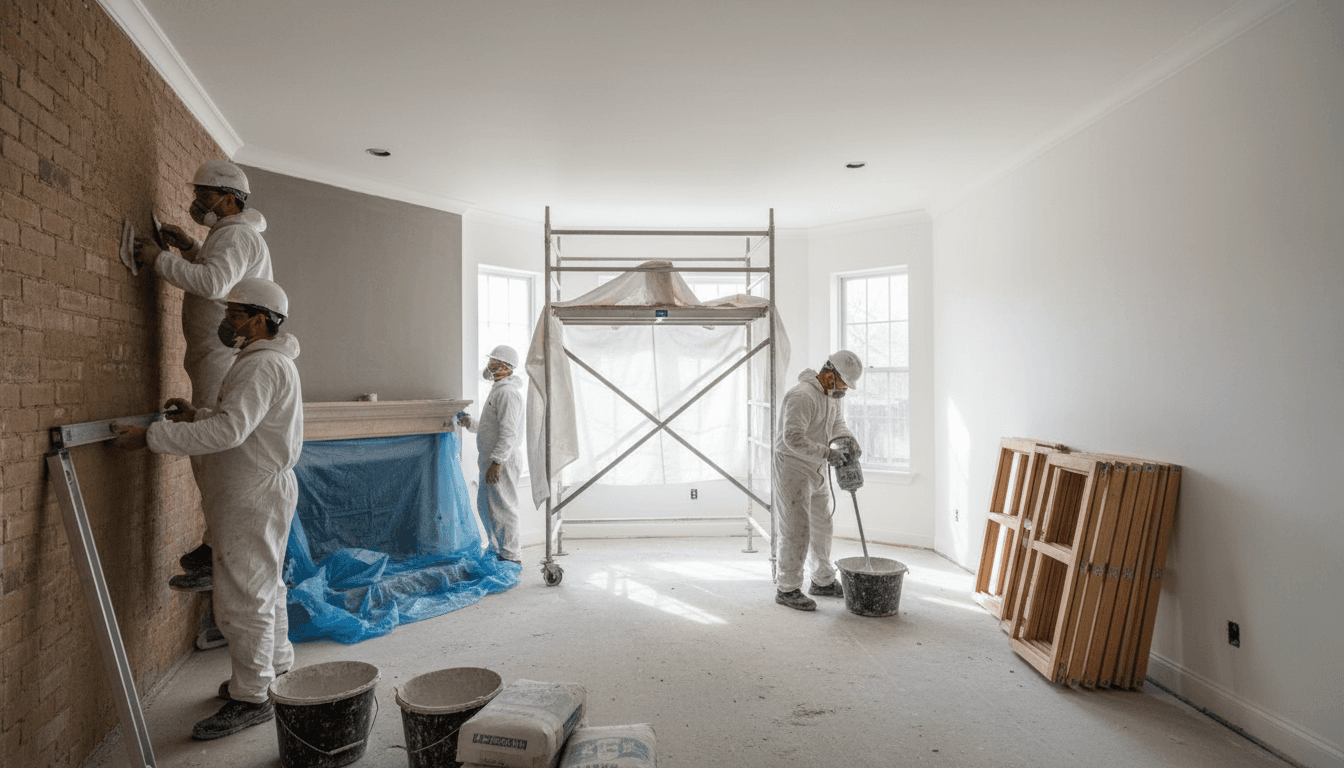
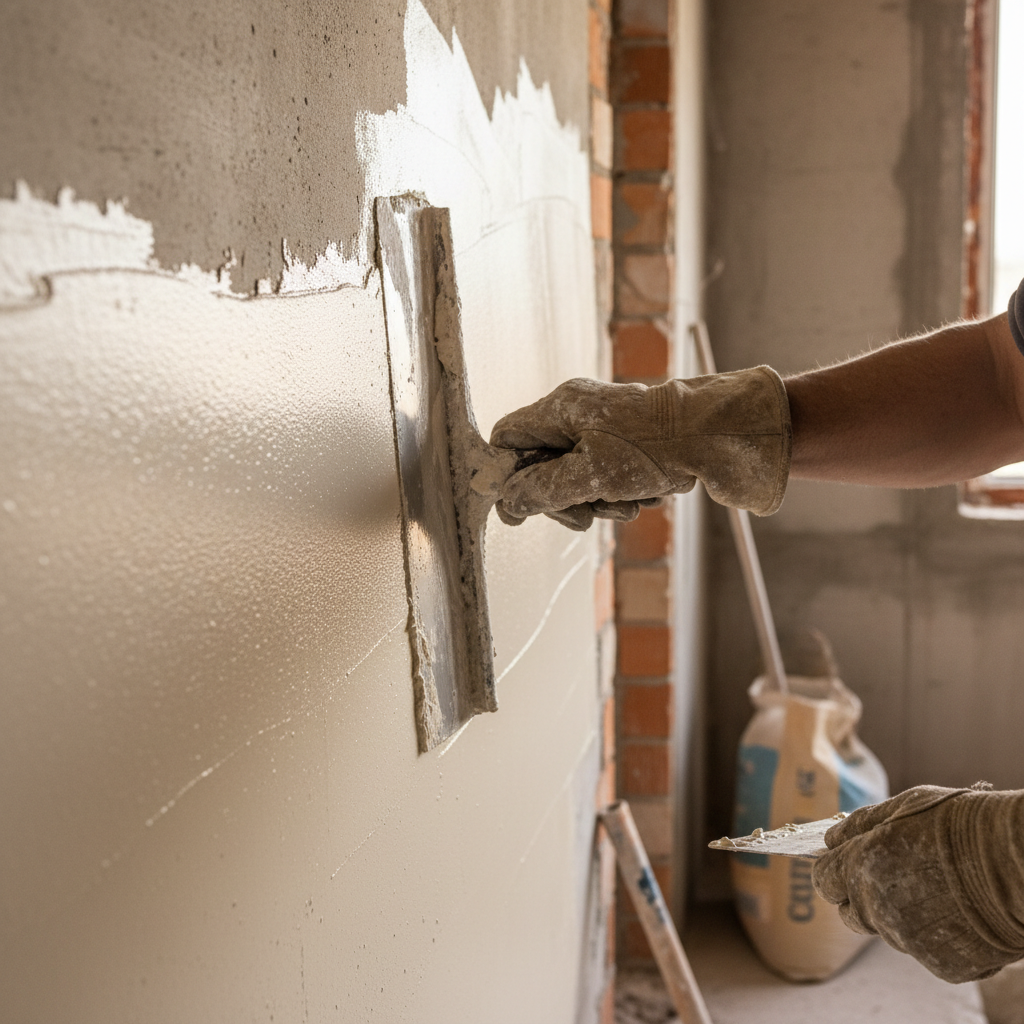
Most cracks in walls Edinburgh are cosmetic hairline fractures caused by seasonal temperature shifts or moisture changes in traditional lath and plaster; however, wider or diagonal cracks may signal structural subsidence or ground movement. Homeowners should monitor these openings and seek professional advice if cracks expand rapidly or appear alongside doors that no longer close properly.
For owners of Edinburgh’s historic tenements and period properties, discovering a new crack in the plaster is rarely just an aesthetic concern; it is often a source of immediate anxiety. You may find yourself wondering if the masonry is simply breathing or if these fissures signal a deeper structural failure. Understanding the nuances of these imperfections is vital in a city where centuries-old stone must withstand a demanding coastal climate. Ignoring a genuine warning sign can lead to escalating repair costs, while misinterpreting harmless settling can cause undue stress. This guide will provide the practical expertise you need to evaluate your walls. We will explore the common causes of movement in local architecture, explain how to identify active subsidence, and clarify exactly when a professional plasterer can restore your finish or when a structural engineer must be consulted.
Why Edinburgh Tenements and Period Homes Develop Cracks
Edinburgh’s historic skyline is defined by its heavy stone architecture, yet for those living inside these structures, the presence of cracks is a common reality. Most period properties in the city, from the grand terraces of the New Town to the towering tenements of Marchmont, were constructed using solid sandstone blocks paired with internal timber lath and lime plaster walls. Unlike modern brick and blockwork, these traditional materials are designed to be breathable and somewhat flexible, but they are also sensitive to environmental changes.
In a city where the building stock frequently exceeds 150 years in age, a degree of movement is not just common; it is expected. The local climate plays a significant role here. Edinburgh’s high humidity levels and seasonal temperature swings cause the wooden lath strips behind your plaster to expand and contract. This constant, subtle shifting puts stress on the brittle lime plaster, often resulting in visible lines.
The structural stresses also vary by building type. A Georgian townhouse in the New Town might experience slow, historic settlement across its substantial footprint. Conversely, a four story tenement in Marchmont or Bruntsfield faces different pressures, where the sheer weight of multiple dwellings and shared chimney stacks creates specific loading points. While many cracks in walls Edinburgh are purely cosmetic, they are usually a symptom of the building’s natural interaction with its environment. As an expert local plasterer, we see how these historic materials settle over decades, requiring specialized Edinburgh plastering services to maintain their integrity.
Identifying Harmless Hairline Cracks in Old Plaster
Distinguishing between a structural failure and a cosmetic blemish is the first step for any homeowner concerned about cracks in walls Edinburgh. In many cases, what you are seeing is a hairline crack, which is typically defined as being less than 1mm wide. These fine lines are often the result of the plaster drying out over several decades or simple seasonal expansion. Because historic Edinburgh homes rely on a lath and plaster system, the underlying wooden slats naturally flex with changes in humidity. This movement, while minor, puts pressure on the lime plaster surface, resulting in shallow, thread like breaks.
Homeowners should look for these marks in specific high stress areas. They frequently appear where different architectural elements meet, such as near decorative cornicing, around door frames, or along the junction where a wall meets the ceiling. If the crack follows a strictly vertical or horizontal path and has remained unchanged for years, it is likely a stable character mark rather than a sign of distress. These are passive issues that professional plastering services in Edinburgh can easily resolve.
Crack Characteristic | Likely Status |
|---|---|
Width under 1mm | Cosmetic |
Follows door or window frame | Settlement |
Vertical or Horizontal | Stable or Passive |
Located at cornicing | Thermal Expansion |
When these lines are stable, they do not indicate a failing foundation. Instead, they reflect the building's age and its ability to breathe within the Scottish climate. Identifying these harmless marks early allows you to focus on aesthetic maintenance rather than unnecessary structural panic. As an expert local plasterer, we often find these are simple to address during a standard room refurbishment.
When to Worry: Signs of Structural Movement and Subsidence
While minor settlement is a standard feature of the local architecture, certain patterns of cracks in walls Edinburgh demand immediate attention. A common industry guideline is the 5mm rule; if a crack is wider than the thickness of a pound coin, it warrants a professional inspection. However, the width is often less important than the trajectory and shape of the opening.
Diagonal cracks are particularly concerning. If a crack runs diagonally across a wall and is wider at the top than at the bottom, it usually indicates that one part of the building is pulling away or sinking. In the context of Edinburgh stonework or internal brick partitions, look for "stepped" cracks that follow the mortar lines between blocks. These are classic symptoms of subsidence or significant ground movement, suggesting the foundation or a supporting wall has shifted.
You should also observe the building’s secondary components, which often react to structural shifts before the plaster does. In a typical tenement flat, keep an eye on these specific indicators:
Internal doors that suddenly start sticking in their frames or scraping against the floor.
Original sash and case windows that become difficult to open or close overnight.
New gaps appearing between the floorboards and the skirting boards.
Cracks that extend through the full thickness of the wall, appearing in the same spot on both the interior plaster and the exterior masonry.
Sign of Movement | Description | Risk Level |
|---|---|---|
Diagonal / Tapered | Wider at the top than the bottom | High |
Stepped Pattern | Follows mortar lines in brick or stone | High |
Sticking Joinery | Doors or windows suddenly jammed | Moderate to High |
External to Internal | Crack visible on both sides of the wall | Critical |
Homeowners often ask if subsidence cracks appear suddenly. The answer is yes. While ground movement can be slow, cracks often manifest rapidly following extreme weather events, such as prolonged dry spells that cause the soil to shrink or heavy flooding that washes away subsoil. If you notice these signs, the issue has progressed beyond what Edinburgh plastering services can resolve with a simple cosmetic fix. In these instances, consulting an expert local plasterer to assess the substrate is a vital first step, but a structural engineer may be required to address the root cause before professional plastering services in Edinburgh can provide a lasting repair.
The Difference Between Active and Passive Movement
Before scheduling repairs for cracks in walls Edinburgh, you must determine if the movement is historic or active. A historic, or passive, crack is one that appeared perhaps fifty years ago and has remained dormant ever since. These are remarkably common in older building stock where the initial settlement is long finished. Conversely, an active crack is one that is currently moving, widening, or lengthening. Plastering over an active crack is often a wasted effort; the ongoing movement will simply tear through the new finish within weeks or months.
You can monitor movement yourself before calling in a professional. Use a sharp pencil to mark the exact point where the crack currently ends and write the date beside it. Check it monthly to see if the line has extended. For a more precise measurement, you can install a glass tell-tale monitor. This device is fixed across the crack; if the glass breaks or the recorded scale shifts, it confirms the movement is active.
If your marks remain unchanged over several seasons, the issue is passive. In these cases, professional plastering services in Edinburgh can provide a permanent, seamless repair. However, if the crack continues to grow, you should consult a structural engineer before contacting an expert local plasterer. Identifying the status of the movement ensures you are addressing the root cause rather than just masking a growing problem.
What a Professional Plasterer Can Fix
Once you establish that the movement is passive, professional plastering services in Edinburgh can restore the structural integrity of the wall surface and provide a flawless finish. Our approach to repairing cracks in walls Edinburgh involves more than just applying a surface filler. We begin by raking out the crack, a process where we carefully widen the opening to remove loose, crumbling material and dust. This ensures the repair material bonds directly to the stable substrate rather than to old, friable debris. We then bridge the gap with high quality scrim tape, a fiberglass mesh that adds tensile strength to the joint, allowing for microscopic shifts without the crack reappearing through the paintwork.
Beyond simple cracks, we frequently address blown plaster. You can identify this by gently tapping the wall; a hollow, drum like sound indicates the plaster has physically detached from the underlying timber lath or stone. In many Edinburgh tenements, the hair reinforced lime plaster remains intact as a sheet but has lost its key or grip. An expert local plasterer can often stabilize these areas using specialist washers to re-secure the plaster to the laths, or by removing the failed section and patching it with modern, lightweight materials that bond perfectly to the original surroundings.
Service | Purpose | Methodology |
|---|---|---|
Raking & Filling | Stability | Removing loose debris and bridging with scrim tape. |
Blown Plaster Repair | Re-bonding | Re-securing loose sections to the lath or stone. |
Full Room Skimming | Aesthetics | A 2 to 3mm coat of finish plaster for a flat, glass like surface. |
Finally, we apply a multi coat skim over the entire area. This creates a uniform, glass like surface that is essential for the large, high ceilinged rooms found in New Town and Marchmont properties. By choosing professional Edinburgh plastering services, you ensure that the repair is integrated into the wall rather than sitting on top of it, providing a durable solution that respects the heritage of the building.
When You Need a Structural Engineer Instead of a Plasterer

While we pride ourselves on delivering a flawless finish, plastering is inherently a surface treatment. If the underlying structure is unstable, applying a new skim is merely a temporary fix that will inevitably fail as the building continues to move. Certain cracks in walls Edinburgh homes experience are indicative of deeper mechanical issues that require a structural engineer rather than a plasterer.
Specific red flags include cracks that align with a failing lintel over a window or door, or sudden shifts following the removal of a chimney breast in a flat below. These scenarios suggest the building is no longer supporting its own weight correctly. If you observe a crack that extends through the entire thickness of the wall, visible on both the interior and exterior of the property, you must seek a professional survey immediately.
Scenario | Action Required | Primary Concern |
|---|---|---|
Cracks wider than 5mm | Structural Engineer | Significant movement or subsidence |
Failing Lintels | Structural Engineer/Builder | Support failure over openings |
Communal Tenement Shifts | Factor/Structural Engineer | Shared structural integrity |
Inside-to-Outside Cracks | Structural Engineer | Full wall thickness separation |
In many tenement buildings, communal structural issues can affect multiple dwellings; addressing these often requires a collective approach via your building factor. Furthermore, insurance providers typically mandate a formal structural report before they will authorize or cover the cost of subsidence repairs. Consulting an expert local plasterer can help identify when a problem is beyond a cosmetic fix, but a chartered engineer provides the legal and technical assurance needed before professional plastering services in Edinburgh can proceed with a lasting aesthetic restoration.
DIY Filling vs Professional Skimming for Edinburgh Homes
Repairing cracks in walls Edinburgh residents frequently encounter often presents a choice between a quick DIY patch and a professional finish. While a tub of ready mixed filler is a common first step, it rarely provides a permanent or aesthetic solution for period properties. DIY fillers tend to shrink as they dry; because they are often harder than the surrounding historic lime plaster, sanding them down usually creates a visible hump or a distinct texture that stands out once painted. This is particularly noticeable on the expansive, flat walls of a tenement lounge where the strong directional light from large sash windows highlights every minor imperfection.
Opting for Edinburgh plastering services ensures a uniform, paint ready surface. An expert local plasterer will typically skim the entire wall or a substantial section rather than just dabbing at the crack. This 2mm to 3mm coat of finish plaster creates the crisp, flat surfaces that define high quality period interiors. In the local property market, maintaining these sharp lines is essential for preserving the building's value and historic character. Choosing professional plastering services in Edinburgh avoids the patchwork quilt look and provides a durable, seamless result that DIY methods simply cannot replicate.