
Edinburgh homeowners can improve thermal efficiency by installing external wall insulation render Edinburgh through breathable lime-based or mineral wool systems. These specific solutions prevent moisture buildup in traditional solid stone walls, mitigating risks of dampness and preserving the structural integrity of historic buildings.
Living in a solid stone home in Edinburgh often means choosing between skyrocketing heating bills and a persistent chill that seeps through the masonry. Traditional lime and sandstone structures are masterpieces of architecture, yet they present unique challenges when it comes to thermal efficiency. Applying the wrong insulation can trap moisture, leading to structural decay and internal damp. For homeowners in the capital, the solution lies in high quality, breathable external wall insulation that protects the building fabric while transforming its thermal performance. In this guide, PlasterTec Edinburgh explores the essential requirements for stone safe insulation. You will learn about the critical role of breathable renders, how to navigate planning permission in conservation areas, and the current landscape of Scottish grant opportunities to help fund your renovation project.
The Challenge of Insulating Edinburgh Solid Stone Walls
Edinburgh’s architectural identity is defined by its solid stone construction. From the grand Victorian villas of Morningside to the iconic tenements of Marchmont, these buildings utilize massive sandstone blocks, often sourced from historic local sites like the Craigleith quarry. Unlike modern homes built with a cavity designed to drain water, these historic walls are monolithic. They function as a breathable envelope, naturally absorbing moisture from the Scottish climate and releasing it through evaporation when the weather clears.
When considering external wall insulation render Edinburgh homeowners must understand that standard modern materials can be counterproductive. National contractors often suggest rigid, non-breathable foam boards or cement-based renders typically used on new builds. On a solid stone structure, these materials create an impermeable barrier that prevents the stone from drying out.
Trapping moisture within the masonry is catastrophic for the building's longevity. It leads to the freeze-thaw cycle, where expanding ice shatters the stone face, while moisture is pushed inward to cause timber rot and internal damp. Providing expert plastering services for these properties requires a specialized understanding of vapour permeability. To protect the structural integrity of a period home, the insulation system must work with the stone, not against it, ensuring that moisture can always move freely to the outside air.
Why Breathable External Wall Insulation is Essential for Stone
Edinburgh stone thrives on its ability to manage moisture through vapour permeability. This concept, often called breathability, refers to the capacity of a building material to allow water vapour molecules to pass through its structure. In a traditional solid stone wall, moisture generated inside the home from daily activities naturally migrates outward through the masonry to evaporate.
Applying a non-breathable system, such as Expanded Polystyrene (EPS) paired with a standard cement-based render, creates an impermeable seal around the property. While these materials are cost-effective for modern cavity wall builds, they are fundamentally incompatible with Edinburgh's historic fabric. When moisture is trapped behind a layer of synthetic insulation, it eventually reaches the dew point within the wall itself. This phenomenon, known as interstitial condensation, occurs when warm, moist air meets a cold surface and turns into liquid water. Without an escape route, this liquid saturates the sandstone, leading to persistent damp, timber decay in floor joists, and the gradual structural disintegration of the stone.
To prevent these issues, we exclusively recommend breathable external wall insulation systems for period properties. These systems use materials designed to offer high thermal resistance while maintaining a path for vapour to escape.
Material | Breathability | Thermal Performance | Application Suitability |
|---|---|---|---|
Mineral Wool | High | Excellent | Most solid stone tenements and villas |
Wood Fibre Board | Very High | Good | High-end historic retrofits needing thermal mass |
EPS (Polystyrene) | Low | Good | Strictly for modern cavity wall structures |
Cement Render | Very Low | N/A | Modern masonry only; avoid on stone |
Mineral wool is an industry standard for professional rendering in Edinburgh because it is non-combustible and allows the masonry to exhale moisture. Wood fibre boards offer a similar breathable profile and are excellent for regulating internal temperatures. Choosing these vapour-open materials ensures the building remains dry and thermally efficient. To ensure your home is protected with the correct specification, you can get a quote for your project and speak with our technical team.
Common External Wall Insulation Problems and How to Avoid Them
Homeowners researching common external wall insulation problems often encounter cautionary tales regarding damp or peeling finishes. These issues are rarely faults of the EWI technology itself; rather, they stem from material mismatches or substandard site management. For an external wall insulation render Edinburgh project to be successful, the installation must mitigate three primary technical risks.
The most significant risk is dampness caused by impermeable systems. When non-breathable insulation is applied to a Victorian stone wall, moisture is trapped, leading to internal mould and timber rot. This is avoided by specifying mineral wool and vapour-open renders. Second, poor detailing around architectural features like window reveals and eaves often creates thermal bridges. These are cold spots where heat escapes and condensation forms. Leading professional rendering in Edinburgh involves using specialized trims and ensuring insulation is continuous, extending into reveals to eliminate these bridges.
Aesthetics represent the third major concern. Many fear their historic villa will take on a plastic look that ruins the character of the street. Low-grade renders often lack the depth and texture found in traditional sandstone. We mitigate this by using premium silicone or lime-based finishes that can be tinted to match local stone tones.
Problem | Root Cause | Professional Solution |
|---|---|---|
Interstitial Damp | Non-breathable materials (EPS/Cement) | Mineral wool and vapour-open render |
Mould at Windows | Thermal bridging in reveals | Continuous insulation with specialized trims |
Visual Incompatibility | Low-grade, flat-textured finishes | High-quality tinted silicone or lime finishes |
To ensure your property is protected from these pitfalls, you should always get a quote for your project from contractors who prioritize breathable specifications. Accessing expert plastering services is essential for maintaining the delicate balance between thermal performance and structural health.
Choosing the Right Render for Edinburgh Homes
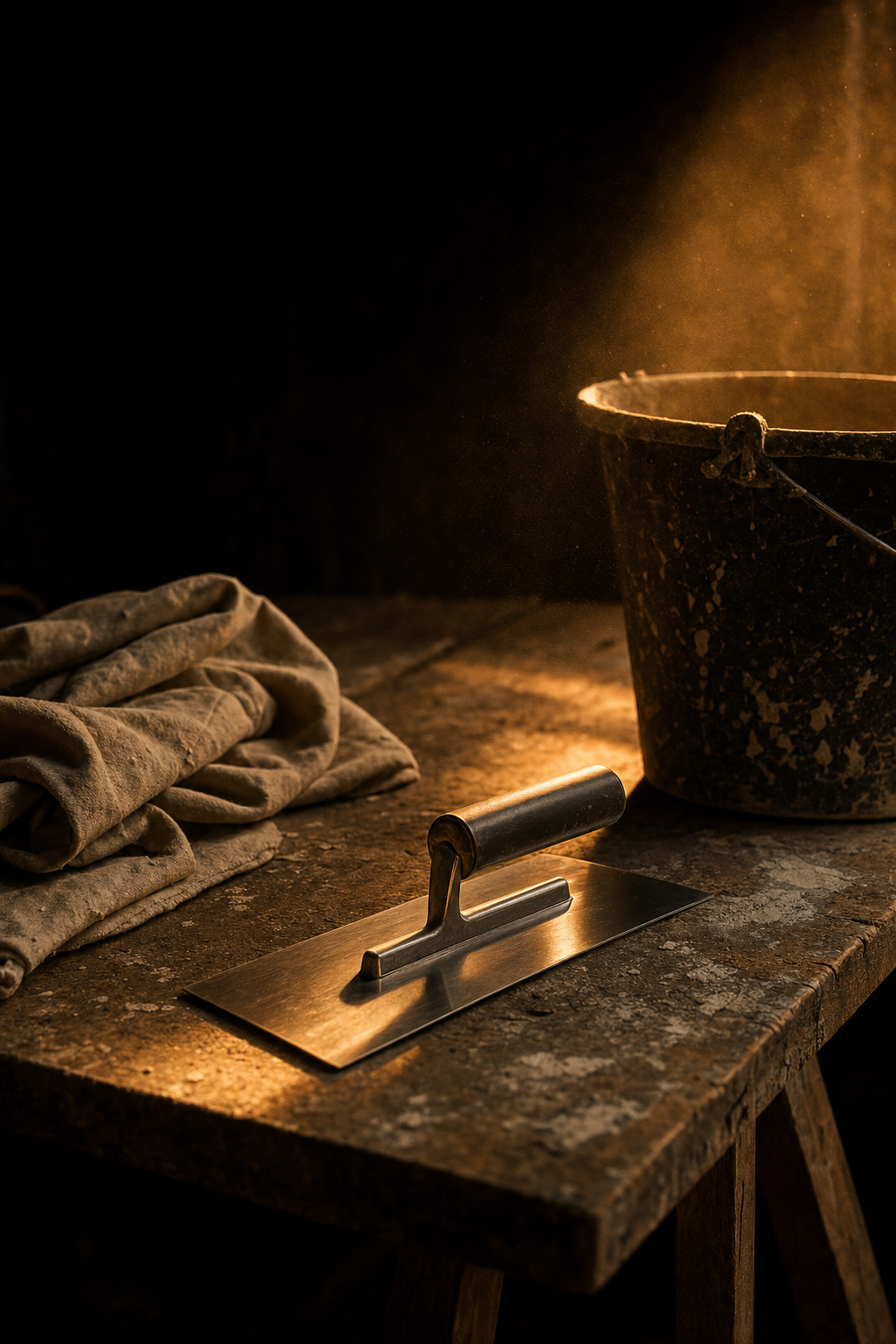
Selecting the final finish for an insulation system is a decision that dictates both the aesthetic integration of the property and its long term weather resistance. In the local climate, the render must act as a robust shield against wind driven rain while allowing the internal structure to exhale. For most external wall insulation render Edinburgh projects, the choice typically comes down to silicone thin-coat systems or traditional lime based mortars.
Silicone renders are highly effective for modern retrofits. These finishes are engineered to be hydrophobic, causing water to bead and roll off the surface, which significantly reduces the risk of organic growth like algae. Crucially, they remain vapour permeable. Unlike older acrylic finishes, silicone allows moisture trapped in the mineral wool or wood fibre to escape. For homeowners, the primary benefit is the through-coloured nature of the material, which eliminates the need for frequent repainting.
Render Type | Breathability | Flexibility | Maintenance | Best For |
|---|---|---|---|---|
Silicone Thin-Coat | High | High (Resists Cracking) | Low (Self-cleaning) | Most EWI installations |
Traditional Lime | Very High | Excellent | Moderate | Listed/Historic stone |
Modern Harling | Low | Low (Brittle) | High (Requires paint) | Modern cavity builds only |
Traditional Scottish 'harling' is a familiar sight across the city, yet modern cement based versions are often too rigid for older stone. If you are restoring a period villa, a lime based render provides the necessary flexibility to accommodate the natural movement of the building. While these require more specialized expert plastering services, they offer the most authentic finish for historic conservation. To explore specific textures and colour palettes, you can view our professional rendering in Edinburgh options or get a quote for your project to discuss which material suits your property’s specific exposure levels.
Planning Permission for EWI in Edinburgh Conservation Areas
The City of Edinburgh Council maintains rigorous standards for its 40+ conservation areas, ranging from the neoclassical New Town and West End to the seaside charm of Portobello. Because external wall insulation adds several inches to the building's profile and replaces the original stone face with a rendered finish, it constitutes a material change to the property’s appearance. In most cases, planning permission is a mandatory requirement before any work commences.
Listed buildings face even stricter scrutiny. For these properties, EWI is often restricted to rear elevations or secondary facades to preserve the historical streetscape. When preparing an application, the specification for your external wall insulation render Edinburgh project must be carefully justified. Planning officers are significantly more likely to approve projects that utilize breathable, through-coloured silicone or lime renders that closely match the hue and texture of the surrounding Craigleith or Hailes sandstone.
Successful applications often include technical drawings showing how architectural features like plinths, string courses, and window surrounds will be replicated or accommodated. Before committing to a system, we recommend homeowners consult with the council’s planning department or seek expert plastering services to ensure the proposed materials align with local heritage guidelines. To discuss how we can match your render to your property’s original character, you can get a quote for your project or explore our options for professional rendering in Edinburgh.
External Wall Insulation Scotland Cost and Grant Opportunities
Navigating the financial investment of a retrofit requires a clear understanding of the current market rates in the Lothians. For a high quality, breathable system tailored to a solid stone property, homeowners should budget between £100 and £150 per square metre. This figure generally includes the insulation material, the reinforcement layers, and the final external wall insulation render Edinburgh homeowners expect for a professional finish. Total project costs are influenced by the complexity of the building, the requirement for scaffolding, and the intricacy of architectural details such as cornicing or window surrounds that require specialized expert plastering services.
System Component | Estimated Cost Impact | Notes |
|---|---|---|
Mineral Wool (Breathable) | £110 to £140 per m2 | Standard for stone tenements |
Wood Fibre (Premium) | £140 to £160+ per m2 | Superior thermal mass and eco-profile |
Scaffolding & Access | Varies by height | Higher for 4-storey tenements |
Silicone or Lime Render | Included in m2 price | Essential for vapour control and aesthetics |
Financial support is often available through Scottish Government initiatives designed to improve the energy efficiency of the national housing stock. Home Energy Scotland offers interest free loans and, in some cases, significant grants specifically for solid wall insulation. Additionally, the Warmer Homes Scotland scheme provides assistance to eligible households to help manage rising heating costs. Because funding criteria and availability fluctuate based on government budgets, we strongly advise checking current eligibility through official Scottish Government channels or Home Energy Scotland directly before you get a quote for your project.
While the upfront expenditure for professional rendering in Edinburgh and EWI is significant, the return on investment extends beyond monthly energy bills. Modernizing the thermal envelope of a Victorian or Georgian home significantly reduces the demand on heating systems; this is a vital consideration given the city's damp, coastal climate. More importantly, a breathable system protects the sandstone fabric from saturation and decay. This preservation of the building's structural integrity maintains the long term market value of the property in a way that cheaper, non-breathable alternatives simply cannot match.
Maintaining the character of Edinburgh's stone homes requires a careful balance between modern insulation and traditional breathability. By choosing the correct materials, you can protect your property from moisture while improving its overall energy efficiency. If you want expert help selecting the best system for your specific building, our team is happy to guide you through the process. We provide professional Rendering services tailored to historic structures, ensuring your home stays warm, dry, and structurally sound for the future.