

Harling Edinburgh is a traditional exterior wall coating made of lime mortar and small stones that protects homes from Scotland's severe wind and rain. Maintaining this roughcast layer is critical for winter protection; it prevents water from entering cracks and causing frost damage or dampness. Regular inspections and prompt repairs ensure that a building's masonry remains shielded from the elements for years to come.
Living in Edinburgh means your home faces a relentless battering from coastal winds and driving rain. Many homeowners notice hairline cracks or hollow sounding patches on their exterior walls but delay action until dampness seeps into the interior. At PlasterTec Edinburgh, we know that failing harling is more than a cosmetic flaw; it is a breach in your property's primary defense against the Scottish winter. This guide provides a practical roadmap for maintaining your home's envelope. We will explain the nuances of traditional roughcast, how to conduct a thorough pre-winter inspection, and when a simple patch repair suffices over a full replacement. You will also discover how modern silicone renders offer enhanced durability for the local climate. By the end of this article, you will have the expert knowledge required to protect your investment and ensure your masonry remains weather-tight for decades to come.
Understanding Harling and Roughcast in the Edinburgh Context
Edinburgh’s architectural landscape is defined by its resilience against the North Sea elements. For many homeowners, protecting the building envelope begins with understanding the specific exterior finishes common to the city. While residents often use the terms interchangeably in search queries like "harling vs roughcast," there are distinct technical differences rooted in the city's history and building materials.
Traditional harling is a historic Scottish technique frequently seen on stone-built properties in areas such as Leith or the New Town. It involves throwing a lime-based mortar mix against the wall to create a bonded, breathable layer. In contrast, modern roughcast typically utilizes a cement-based mortar. While the application process is similar, the choice between lime and cement is critical; lime allows older stone structures to breathe, whereas cement provides a harder, more rigid finish often found on twentieth-century builds. When looking for expert rendering services in Edinburgh, identifying the original substrate of your home is the first step in ensuring a compatible repair.
The classic Edinburgh look is characterized by a dense covering of small pebbles or aggregate chips. This texture was not chosen for aesthetics alone. The jagged surface is designed to break the impact of wind-driven rain sweeping in from the Firth of Forth. By disrupting the flow of water, the rough surface prevents moisture from sheeting across the facade and finding ingress points through the masonry.
Selecting the correct method for a Georgian tenement or a modern semi-detached home ensures the goal remains the same: creating a durable barrier that manages moisture effectively. Consultation with a local Edinburgh plasterer can clarify which material suits your property's age and construction type, preventing the common mistakes that lead to premature failure.
Why External Harling Fails: The Role of the Scottish Winter
The durability of harling Edinburgh properties rely on is constantly challenged by the volatile Scottish climate. The primary mechanism of failure is the freeze-thaw cycle, a process that exploits even the smallest vulnerabilities in a building's exterior. When moisture penetrates hairline cracks in the render, it settles behind the surface. As temperatures drop during a damp Edinburgh winter, this trapped water freezes and expands by approximately nine percent. This physical expansion exerts immense internal pressure, gradually forcing the protective coating away from the underlying stone or brickwork.
This separation creates what professionals call 'boss' render. A boss section is essentially a hollow pocket where the protective coating is no longer chemically or mechanically bonded to the substrate. While a hairline crack might appear merely cosmetic, it acts as a gateway for further water ingress. Over several seasons, these pockets enlarge until the harling becomes unstable. In the worst cases, large sheets of material can delaminate entirely, leaving the masonry exposed to the elements. Consulting a local Edinburgh plasterer to assess these boss areas early can prevent the damage from spreading to the structural masonry.
Local environmental factors often accelerate this deterioration. In high density areas like the Marchmont tenements or the New Town, leaking gutters and blocked downpipes are frequent culprits. A faulty gutter creates a concentrated stream of water that saturates a specific area of the wall. This constant dampness prevents the render from drying out, making that section significantly more susceptible to frost damage than the rest of the facade. Distinguishing between minor weathering and significant failure is critical. While lime-based harling may show fine crazing over time, large cracks or sections that sound hollow when tapped indicate a loss of structural integrity. Addressing these issues before the height of winter is essential to avoid the need for more extensive expert rendering services in Edinburgh later in the year.
The Pre-Winter Checklist: How to Inspect Your Exterior Walls
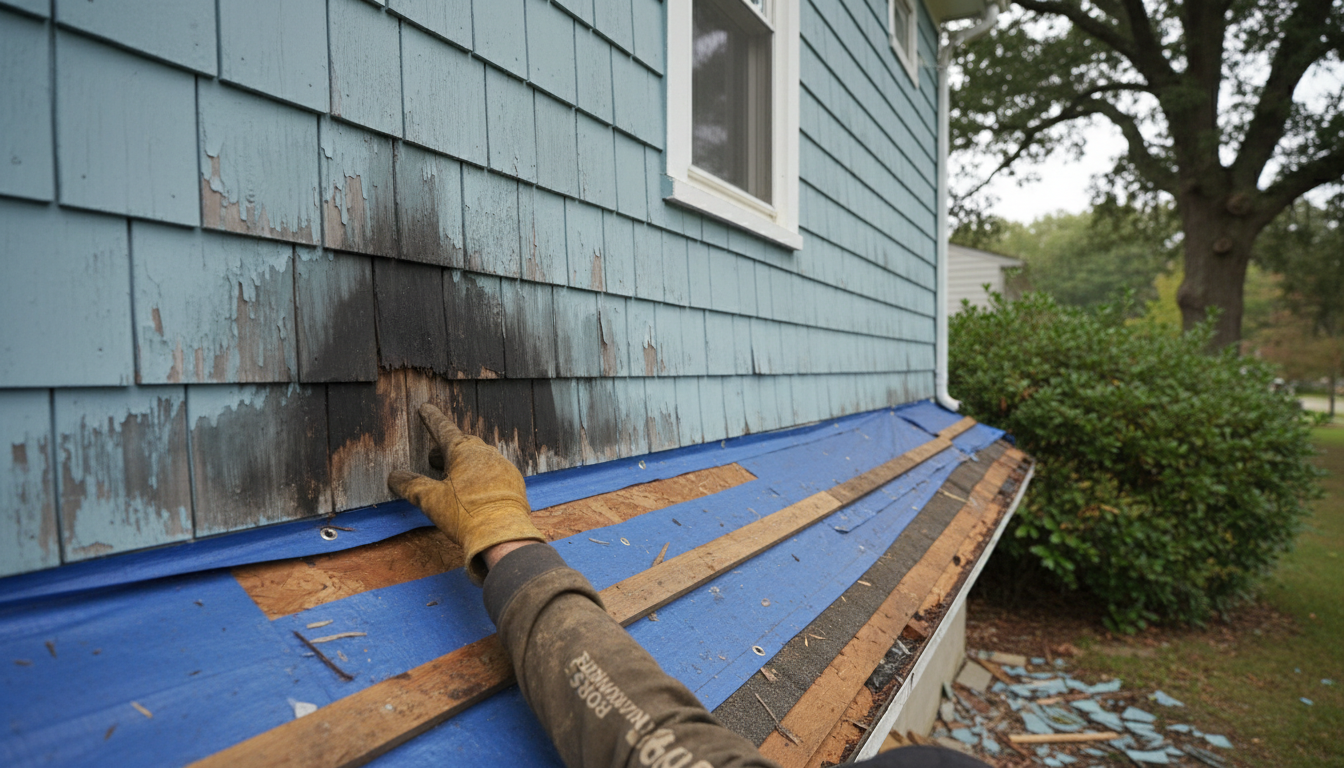
Conducting a thorough visual inspection before the first frost is the most effective way to safeguard your property. You should begin by examining the facade for persistent discolouration or damp patches. In our damp climate, walls that remain dark or saturated long after the rain has stopped indicate that moisture is being trapped within the layers of the harling Edinburgh homes typically feature. These saturated spots are often located directly beneath overflow pipes, near leaking gutter joints, or at the base of the wall where splash back occurs.
Vegetation is another clear warning sign. The presence of moss, lichen, or even small buddleia plants suggests that the render has remained damp enough to support life. Roots from these plants can penetrate hairline fractures, widening them further and allowing water to reach the masonry. If you spot green growth, it is a sign that the wall's drainage or breathability has been compromised.
To check for internal separation, perform a tap test. Use the handle of a screwdriver or a small wooden mallet to gently tap across the surface of the render. A healthy wall will produce a solid, dull thud. If you hear a hollow, drum like sound, you have identified a boss section. This indicates the render has detached from the stone or brickwork, creating a cavity where water will inevitably collect and freeze.
Finally, assess the size of any visible cracks. While fine crazing is common in aged harling, any crack wider than a two pound coin requires immediate attention from a local Edinburgh plasterer. These larger apertures act as direct conduits for rain. Identifying these vulnerabilities in September or October allows for scheduled expert rendering services in Edinburgh before the winter weather makes repairs logistically difficult. Catching a small boss section now prevents the entire gable end from requiring a full strip and re-render following a January storm.
Harling Repair Edinburgh: Can You Patch It or Should You Replace It?
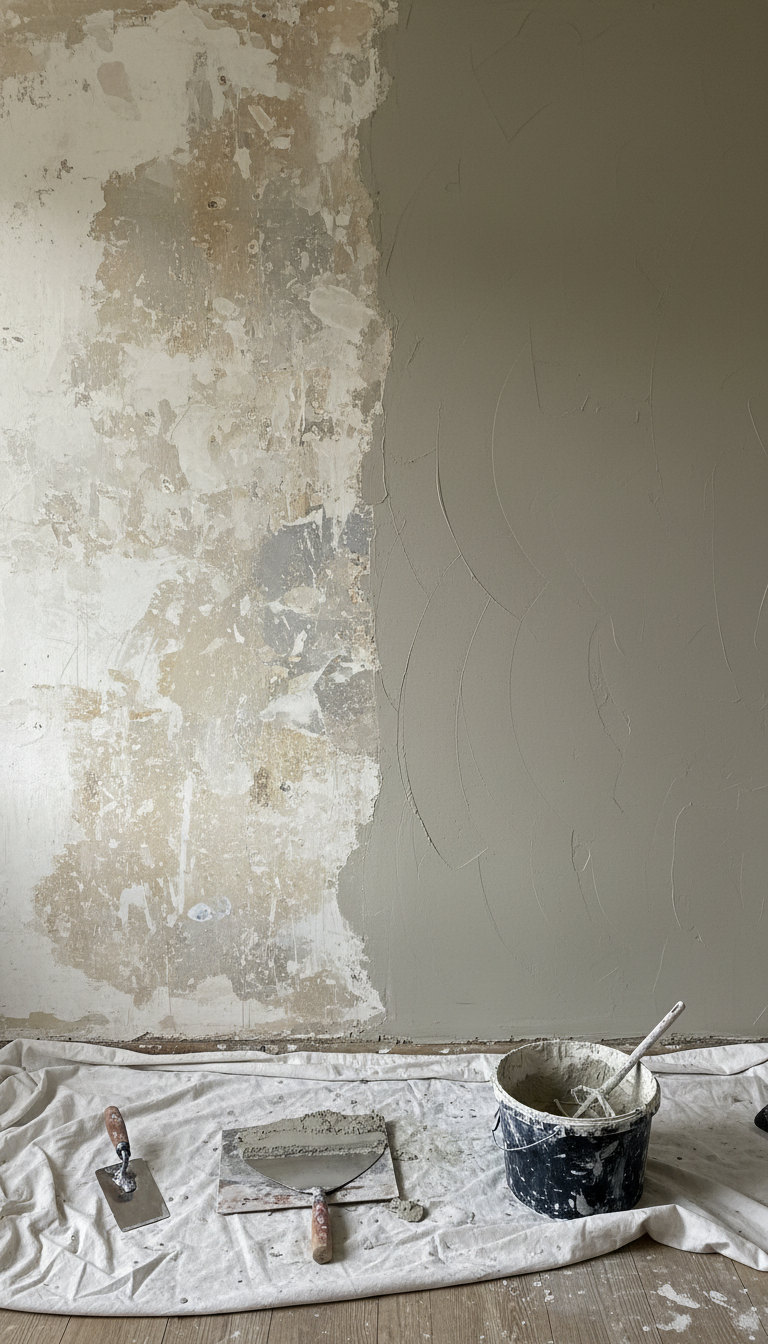
After identifying a hollow sound or a significant crack during your inspection, the immediate question is whether a targeted harling repair is sufficient or if a complete replacement is necessary. For minor, localized damage, such as a small area affected by a single leaking overflow pipe, a professional patch can be highly effective. However, the success of a repair depends entirely on material compatibility.
A common mistake in older properties is applying a hard, non-porous cement patch over traditional, softer lime harling. Because these materials expand and contract at different rates, the rigid cement will eventually pull away, causing new cracks to form around the perimeter of the repair. An experienced local Edinburgh plasterer will ensure the mortar mix matches the original substrate in both strength and breathability, preventing the moisture trap that leads to further stone decay.
Homeowners often ask if they can roughcast over roughcast to save time. This practice is rarely advisable. Adding a new layer over a failing one increases the weight on the building envelope and relies on an unstable bond. It almost inevitably leads to large-scale delamination.
Repair Type | Scope of Work | Best Used For |
|---|---|---|
Localized Patching | Removing boss sections and applying matching mortar/chips. | Small, isolated impact damage or specific leak areas. |
Partial Re-render | Stripping a full architectural feature (e.g., a single gable). | Widespread failure restricted to one elevation. |
Full Re-render | Complete strip to the substrate and new multi-coat system. | Multiple boss sections, general aging, or changing material types. |
Aesthetics are equally vital, particularly in conservation areas where visual continuity is required. Matching the specific size and mineral color of harling chips is essential. Using the wrong aggregate creates a patchy, mismatched appearance that can devalue a property. When the damage exceeds roughly 20 percent of the total wall area, investing in expert rendering services in Edinburgh for a full strip and re-render is usually the more durable and cost-effective solution.
Modern Solutions: From Traditional Harling to Silicone Render
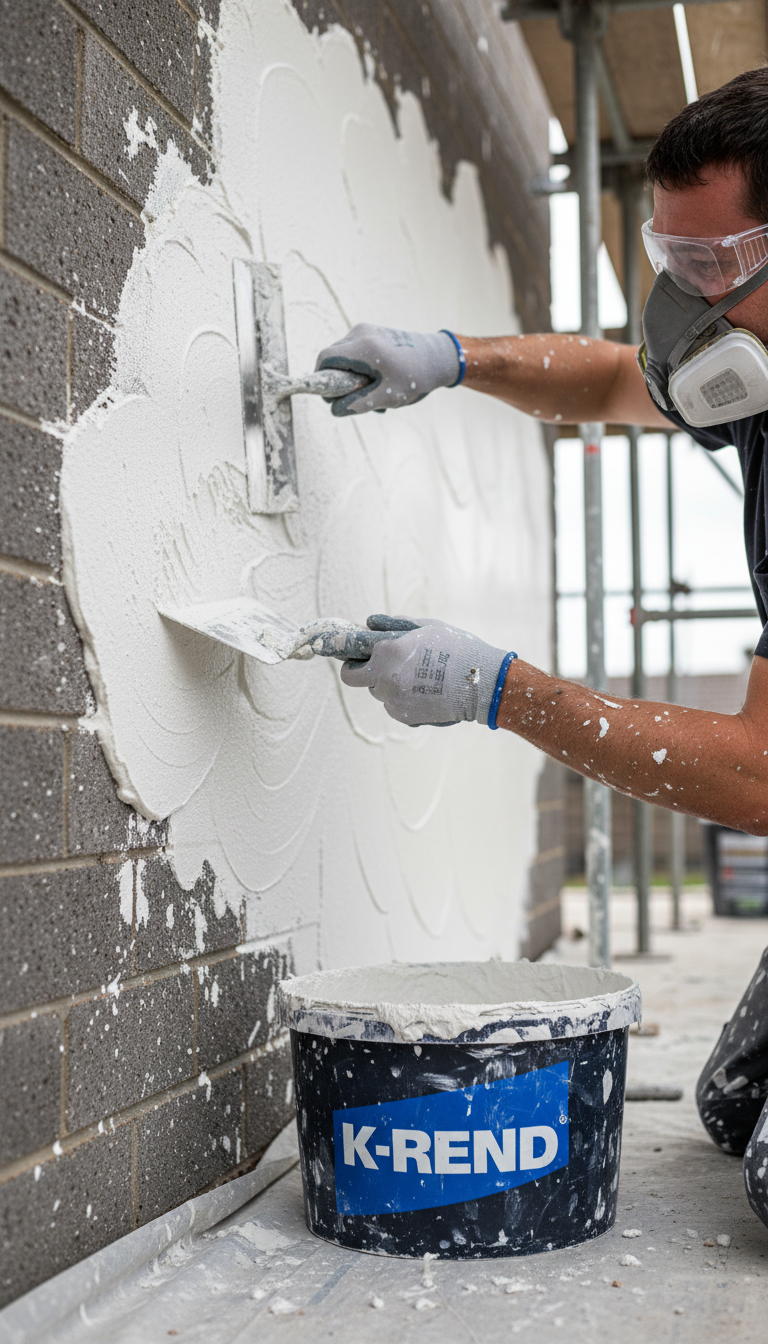
Choosing the right finish for a property depends heavily on the underlying wall construction. Traditional harling Edinburgh properties often utilize lime-based mixes, which are essential for solid stone walls. These materials allow moisture to move naturally through the substrate, preventing the damp and stone decay that occur when water is trapped behind a modern, non-breathable seal.
For modern brick extensions or mid-century homes, silicone renders offer a contemporary alternative to cement-based roughcast. These products are through-coloured, meaning they require no painting, and they contain water-repellent additives that cause rain to bead and roll off the surface. This is particularly useful in exposed parts of the city where wind-driven rain is a constant threat to the building envelope.
Feature | Traditional Harling | Silicone Render | Insulated Render (EWI) |
|---|---|---|---|
Best For | Historic Stone (Lime) | Modern Brick/Block | Cold, Solid Wall Homes |
Breathability | Very High | Moderate to High | Varies by System |
Maintenance | Periodic Limewash | Low (self-cleaning) | Low |
Key Benefit | Preserves masonry | Water resistant | Thermal efficiency |
Homeowners struggling with heat retention in older, solid-walled houses should consider insulated render systems. By applying a layer of rigid insulation before the final render coat, you create a thermal envelope that significantly reduces energy bills. If you are unsure which system suits your building, consulting a local Edinburgh plasterer is the safest route. They can evaluate the substrate to ensure the new layer is compatible. For those seeking a total overhaul, expert rendering services in Edinburgh can provide high-performance solutions that balance traditional aesthetics with modern thermal requirements.
Estimated Costs and Longevity for Edinburgh Properties
Budgeting for harling Edinburgh properties requires understanding the variables that influence the final invoice. For a standard two-bedroom bungalow, homeowners can expect costs between £4,000 and £7,500. A larger two-storey semi-detached home typically ranges from £8,000 to £12,000. These estimates account for the cost of scaffolding and the labor-intensive process of stripping old, boss material back to the masonry.
Property Type | Estimated Cost Range | Expected Longevity |
|---|---|---|
Bungalow | £4,000 – £7,500 | 20 – 30 Years |
2-Storey Semi-Detached | £8,000 – £12,000 | 20 – 30 Years |
Large Detached / Villa | £15,000+ | 20 – 30 Years |
A professional installation by a local Edinburgh plasterer should last 20 to 30 years, provided the building's drainage remains functional. Factors like difficult site access or the requirement for specialist lime-based expert rendering services in Edinburgh for historic stone will influence the upper end of these price brackets. Correctly managing the substrate during the initial phase is the most reliable way to ensure your investment survives three decades of Scottish winters.