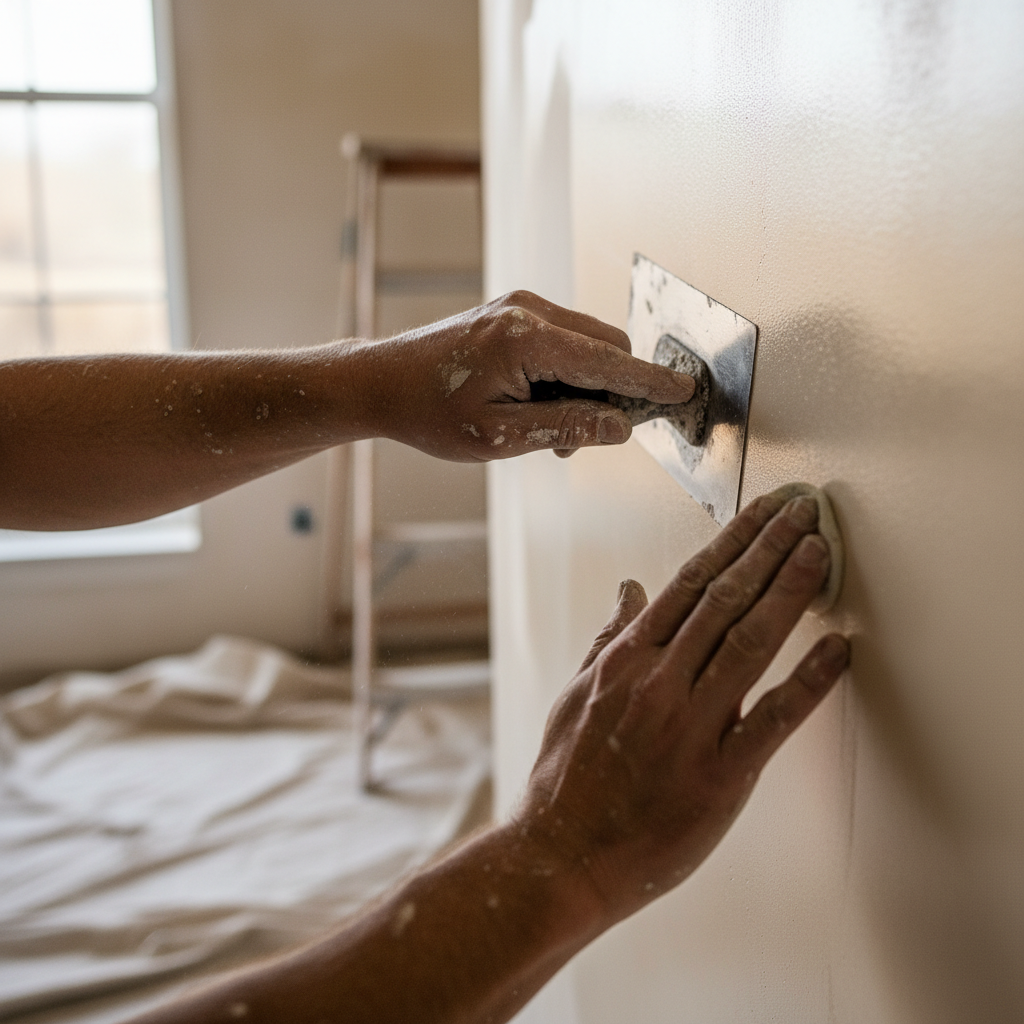
Wet plaster remains the preferred choice for maintaining the breathability of traditional solid stone walls; however, dot and dab Edinburgh services offer a faster and more cost-effective method for achieving perfectly level, decoration-ready surfaces. Homeowners must balance the superior moisture management of traditional wet plaster against the efficiency of dot and dab plasterboard, which is particularly effective for internal partitions and thermal upgrades.
Renovating a traditional Edinburgh property often reveals the harsh reality of cold, uneven masonry and crumbling lath and plaster. Homeowners frequently feel overwhelmed by the choice between modern dry lining and time honored wet plastering, especially when dealing with the unique breathability requirements of solid stone walls. Selecting the incorrect method can lead to trapped moisture, reduced interior space, or escalating repair costs. In this guide, PlasterTec explores the technical nuances of dot and dab Edinburgh applications compared to traditional methods. We will examine the specific damp risks associated with dry lining stone walls, compare the long term costs of both approaches, and provide professional insight into which finish will best preserve the integrity of your home. Whether you are refurbishing a New Town flat or a suburban villa, understanding these structural differences is essential for a high quality result.
The Choice Between Dry Lining and Traditional Plastering in Edinburgh
Edinburgh homeowners face a unique set of challenges when renovating. The city is defined by its historic architecture, characterized by thick, solid sandstone walls found in tenements and Victorian villas. When upgrading internal surfaces, the debate usually centers on two techniques: dry lining, specifically dot and dab, and traditional wet plastering.
Dot and dab involves fixing plasterboard directly to masonry using adhesive dabs. It is significantly faster and simplifies scheduling, which is why it is often the preferred route for modern extensions. However, selecting dot and dab Edinburgh services is not just a matter of convenience; the decision must be guided by the age and construction of your property.
Traditional wet plastering involves applying multiple coats of plaster directly to the wall to create a durable, airtight finish that feels solid to the touch. In a climate like ours, where driving rain frequently saturates external masonry, moisture management is critical. Older stone buildings were designed to breathe, allowing moisture to evaporate through the wall. Modern dry lining can sometimes interfere with this natural process if applied to damp-prone stone without proper consideration. If you are unsure which method suits your renovation, consulting an experienced local plasterer is essential to ensure the longevity of your home. Selecting the right method depends on balancing speed against the specific structural requirements of Edinburgh's masonry.
What is Dot and Dab Plasterboard? The Modern Dry Lining Approach
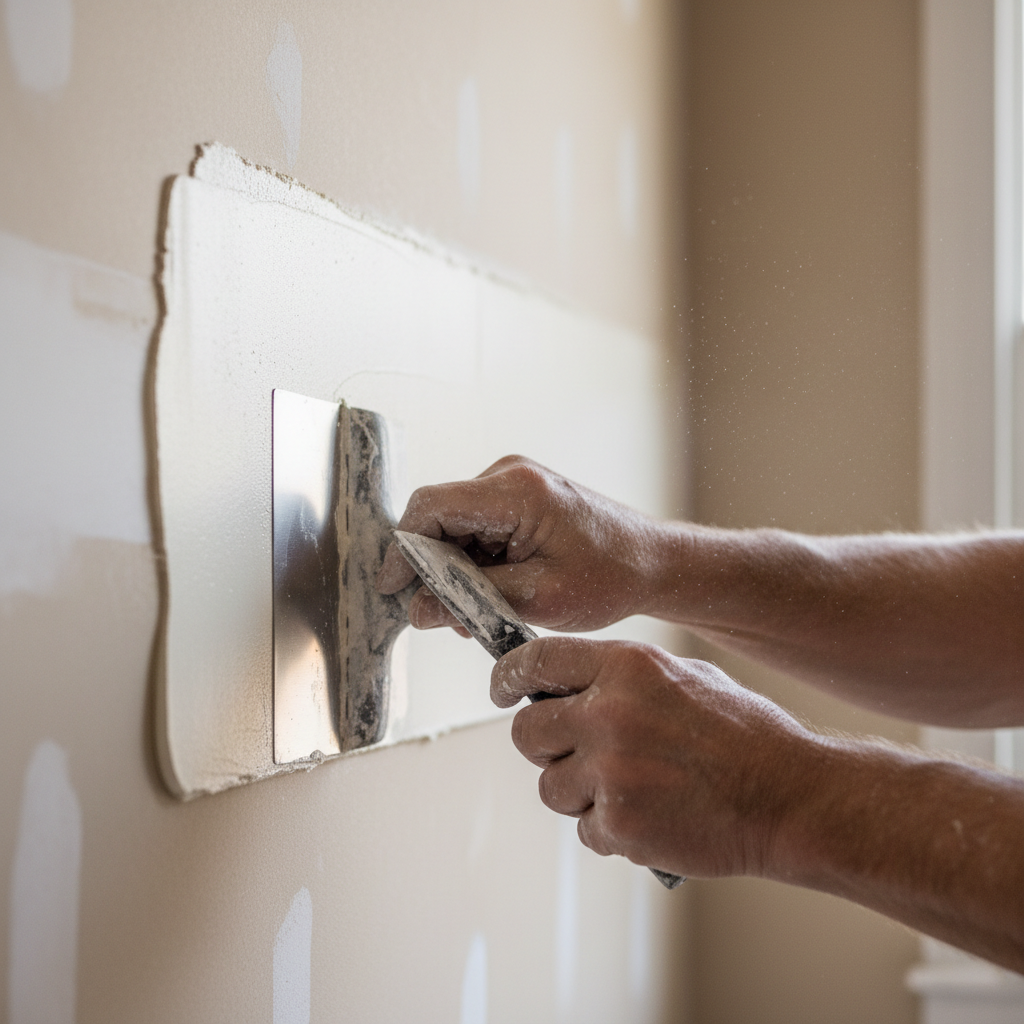
Direct bonding, commonly referred to as dot and dab, is the primary technique used in modern dry lining. This method involves fixing plasterboard sheets directly to masonry surfaces using specialized gypsum based adhesive. It has become the standard approach for professional plastering in Edinburgh when working on modern extensions or new build components in areas like Newbridge. The speed of the process allows for a significantly faster turnaround than wet plastering, making it a cost effective choice for contemporary blockwork.
The installation process is straightforward but requires a skilled hand to ensure a plumb finish. A plasterer applies thick mounds of adhesive, known as dabs, at regular intervals across the wall surface. The plasterboard is then pressed firmly into these dabs. By using a long straight edge and a spirit level, the installer can tap the board into position, bridging any minor irregularities in the underlying masonry to create a perfectly flat surface.
Once the adhesive has cured, the boards are ready for finishing. Depending on the project requirements, the joints between the boards can be taped and filled for a quick decorative finish, or the entire surface can be skimmed with a thin layer of finishing plaster. While dot and dab Edinburgh services are highly efficient for modern cavity walls, the implications for older, solid stone structures require a more nuanced understanding of building physics.
Traditional Wet Plastering: The Gold Standard for Masonry
Traditional wet plastering remains the benchmark for quality when working with masonry. Unlike the air gaps created during a dot and dab Edinburgh installation, wet plastering establishes a direct, continuous bond with the wall. The process generally consists of a two-coat application. A backing coat, usually bonding or browning plaster, is applied to level the substrate and provide a key. This is followed by a final skim coat of finishing plaster to create a glass-smooth surface.
In high end renovations across the New Town and Morningside, wet plaster is the preferred choice for its durability and acoustic properties. Tapping a wet-plastered wall reveals a dense, solid sound, contrasting sharply with the hollow drumming often heard with plasterboard. This mass contributes to better sound insulation between rooms and a higher level of impact resistance. For any experienced local plasterer, this method represents the peak of craftsmanship. While it requires more skill and a longer drying period than modern alternatives, the result is a superior finish that complements the heritage of local stone properties. Choosing professional plastering in Edinburgh for these traditional methods ensures that the internal fabric of the building remains robust for decades.
The Edinburgh Stone Wall Problem: Understanding Breathability
To understand why plaster choice matters, one must look at the physics of a 600mm Edinburgh sandstone wall. These historic structures were designed as vapour-open systems. In the Scottish climate, external masonry frequently absorbs moisture from driving rain. This moisture must be allowed to evaporate both outwards and inwards for the wall to remain healthy. Traditional lime plaster facilitates this because it has low resistance to vapour, effectively acting as a wick that manages humidity levels within the stone.
Modern gypsum products and modern plasterboard behave differently. While gypsum is common in professional plastering in Edinburgh, it does not offer the same level of breathability as lime. When dot and dab is applied to an old stone wall, a small air gap is created between the masonry and the board. If the exterior stone becomes cold and damp, warm, moist air from the room can find its way into this void. When that warm air hits the cold stone surface, it reaches its dew point, leading to interstitial condensation.
This phenomenon is a primary concern for any experienced local plasterer working in the city's tenements. If the wall cannot dry inwards because it is blocked by foil-faced boards or high-resistance finishes, the moisture stays trapped within the masonry or the void. Over time, this results in the degradation of the stone and the potential for mould growth hidden behind the plasterboard.
Material Type | Vapour Permeability | Typical Use in Edinburgh |
|---|---|---|
Traditional Lime Plaster | High (Vapour-Open) | Period Tenements and Villas |
Gypsum Backing Coat | Moderate | Modern Brick and Blockwork |
Foil-Backed Plasterboard | Low (Vapour Barrier) | Modern Cavity Wall Extensions |
Understanding this balance is crucial when selecting dot and dab Edinburgh techniques for older properties. The speed of dry lining is an advantage, but it should never come at the expense of the building's structural integrity.
Is Dot and Dab Bad for Old Stone Walls? Potential Damp Risks
Addressing the common question "Do dot and dab cause damp?" requires looking at how moisture interacts with solid masonry. In an Edinburgh tenement, the answer is often tied to the "void effect." When boards are dabbed onto cold stone, a small air cavity is created. Because these dabs are rarely airtight at the top and bottom of the wall, air can circulate behind the board. This is known as the chimney effect. If warm, humid room air enters this void and hits the cold sandstone, it reaches its dew point and turns into liquid water, often hidden from view until the damage is significant.
The adhesive dabs themselves create thermal bridges. Because the gypsum adhesive is more thermally conductive than the air in the gap, these spots stay colder than the rest of the board surface. This temperature difference causes "ghosting," where dark, damp spots appear in a grid pattern corresponding exactly to the dabs behind the board. These cold spots attract dust and condensation, eventually leading to visible staining or mould growth on the finished wall.
Risk Factor | Cause | Visible Symptom |
|---|---|---|
Chimney Effect | Unsealed air gaps behind boards | Musty smells or mould at skirting level |
Thermal Bridging | Adhesive dabs conducting cold from stone | "Ghosting" or dark spots on the finish |
Interstitial Condensation | Warm air meeting cold masonry in the void | Internal rot or board degradation |
In the Scottish climate, where driving rain frequently saturates external stone, these issues are magnified. If the masonry cannot dry because it is hidden behind a non-breathable board, the moisture eventually finds a way through or causes the adhesive to fail. For many homeowners considering dot and dab Edinburgh services for a renovation, understanding these risks is vital. Any experienced local plasterer will tell you that while professional plastering in Edinburgh often involves dry lining for speed, it requires careful execution on external stone walls. If you are noticing cold spots or a musty smell behind your boards, contact PlasterTec today for a site assessment.
Comparing Costs: Dot and Dab Edinburgh Price vs Wet Plastering
Financial considerations often drive the choice between these two methods, particularly when managing a large scale renovation budget. In terms of initial outlay, dot and dab Edinburgh services are typically the more budget friendly option. Because the process is rapid and uses fewer materials than a multi coat wet system, the price per m2 is significantly lower, offering a quick turnaround for rental properties or modern partitions.
Method | Estimated Price per m2 | Primary Cost Factors |
|---|---|---|
Dot and Dab | Lower | Speed of install, reduced drying time, standard materials |
Wet Plastering | Higher | Skilled labour, multi coat application, extended curing times |
Cost is rarely the only factor for discerning owners of period properties. While wet plastering requires a higher initial investment from an experienced local plasterer, it often yields a higher return on investment for a tenement restoration. The solid finish and lack of hollow voids are highly attractive to prospective buyers in the local market. Professional plastering in Edinburgh that respects the building's original fabric often adds more to the property value than the short term savings offered by dry lining. If you need a detailed quote for your specific walls, contact PlasterTec today for a site survey and itemised breakdown.
When to Choose Dot and Dab for Your Edinburgh Property
While the risks for sandstone are significant, dot and dab Edinburgh remains an excellent solution for several specific applications. It is the logical choice for modern cavity wall extensions, where the building envelope is designed differently than traditional masonry. On these projects, blockwork surfaces are often perfectly suited for adhesive bonding.
Internal partition walls represent another ideal scenario. Because these walls are not exposed to driving rain or external temperature fluctuations, there is no risk of trapping moisture. This makes the technique a practical way to create new rooms or divide existing spaces quickly. For landlords and property managers, the speed of dry lining facilitates a faster turnaround, allowing rental units to return to the market without the long curing times associated with wet systems.
Application | Recommended Board Type | Benefit |
|---|---|---|
Modern Extension | Standard Wallboard | Rapid leveling of blockwork |
Internal Partitions | Sound/Acoustic Board | Improved privacy between rooms |
Bathrooms | Moisture-Resistant (MR) | Protection against humidity |
Kitchens | Fire-Rated Board | Enhanced safety compliance |
If you are working on a modern build or internal renovation, an experienced local plasterer can guide you on the best board selection. For a professional assessment of your project requirements, contact PlasterTec today to discuss how professional plastering in Edinburgh can meet your deadlines and budget.
When Wet Plastering is Essential for Edinburgh Homeowners
For homeowners managing a full tenement restoration or maintaining a listed Georgian property, wet plastering is often a non-negotiable requirement. While dot and dab Edinburgh services offer speed for modern builds, they cannot replicate the vapour-open performance of a traditional lime system applied directly to external-facing stone. Historic sandstone walls rely on inward drying to prevent moisture from becoming trapped within the masonry.
A wet application eliminates the air voids where condensation typically gathers, ensuring the building fabric remains dry and structurally sound. Beyond moisture management, the density of solid plaster provides superior fire resistance and acoustic dampening compared to hollow boards. This mass is particularly valuable in shared tenement buildings where noise reduction between floors is a priority.
Performance Metric | Traditional Wet Plaster (Lime) | Dot and Dab Plasterboard |
|---|---|---|
Vapour Permeability | Excellent (Vapour-Open) | Poor (Risk of Trap) |
Acoustic Insulation | High (Solid Mass) | Moderate (Hollow Sound) |
Fire Resistance | Superior (Non-combustible) | Standard (Board Dependent) |
Masonry Health | Preserves Stone Integrity | Risk of Interstitial Damp |
When protecting the longevity of a period villa, engaging an experienced local plasterer to install a traditional wet system is the only way to preserve the masonry. For specialist advice on professional plastering in Edinburgh for historic buildings, contact PlasterTec today to arrange a detailed site consultation.
Choosing the right finish for your Edinburgh home involves balancing modern speed with traditional durability. While dot and dab offers quick results, wet plastering remains the gold standard for solid stone walls. Every property has unique requirements, and making the correct choice ensures your walls stay beautiful for years to come. If you want expert help deciding which approach fits your specific project, you can view our full range of services to see how we can assist.