K-Rend is the superior choice for local properties because its silicone-based, water-repellent formula is specifically designed to withstand the damp and windy Scottish climate. While traditional sand and cement renders offer a lower upfront cost, investing in K-Rend in Edinburgh ensures a more durable finish that resists algae growth and reduces long term maintenance requirements.
Maintaining a property in Edinburgh requires a proactive approach to the city’s notoriously fickle coastal climate. Homeowners often find themselves trapped in a cycle of repairing cracked masonry or repainting weathered surfaces every few years, which can become both a logistical headache and a significant financial burden. The choice between K-Rend and traditional sand and cement render is more than just a matter of style; it is a critical decision regarding moisture management and structural protection. This article explores how each material performs under local conditions, evaluating their resilience against damp and their long term maintenance requirements. We will also provide a detailed cost analysis to help you weigh initial outlays against lifetime value. By understanding these technical differences, you can select a rendering solution that ensures your home remains both beautiful and weather tight for decades to come.
Understanding Exterior Rendering for Edinburgh Properties
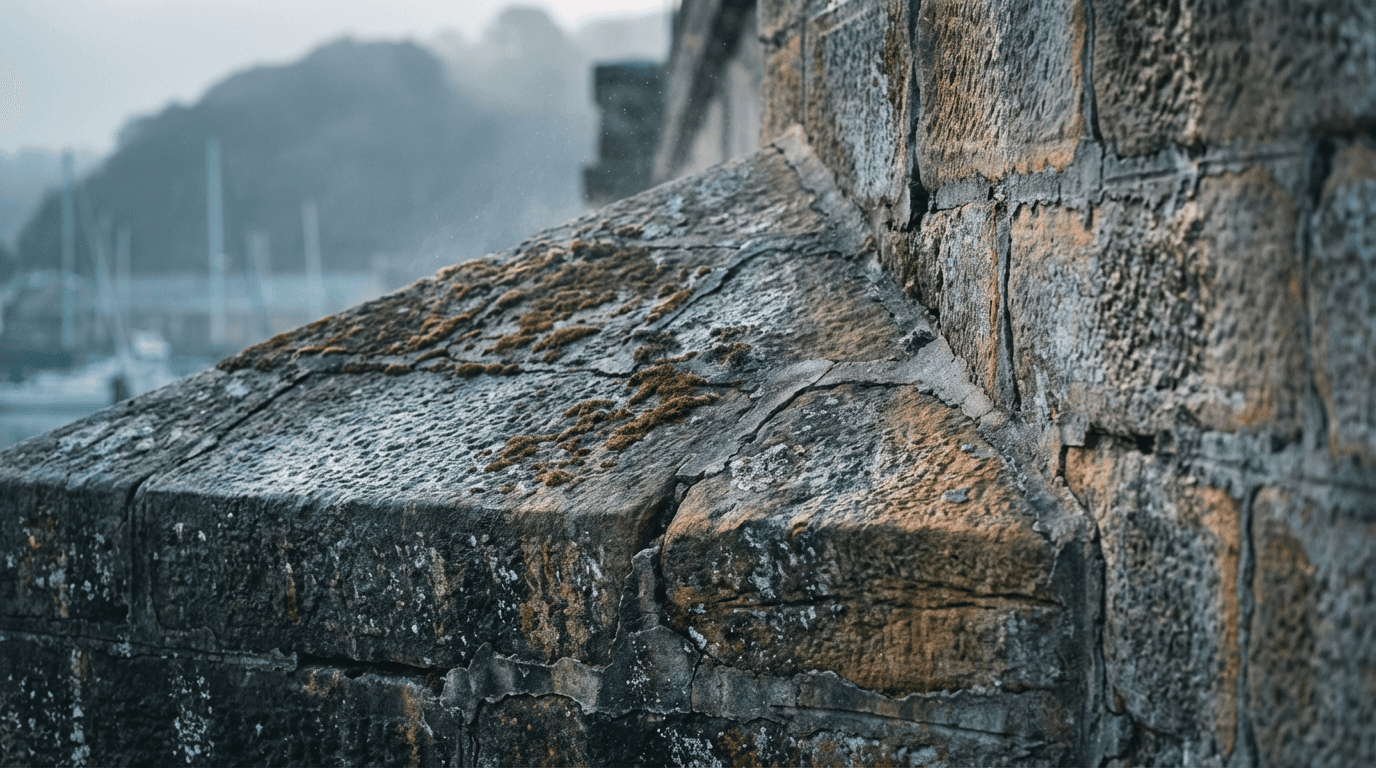
Edinburgh’s architecture is world-renowned, but the local climate poses significant challenges to the longevity of its buildings. Our properties face a constant barrage of high moisture levels and the infamous 'haar', a thick coastal fog rolling in from the Firth of Forth that clings to masonry for hours. When you combine this persistent dampness with Scotland’s fluctuating temperatures and frequent frost cycles, the structural integrity of a home can quickly become compromised.
Exterior rendering is the application of a protective coating to a building’s outer walls. It serves as a vital barrier between the elements and the underlying brickwork or stone. For a modern development in the exposed docks of Leith or a traditional villa in Corstorphine, high-quality exterior rendering services are essential to prevent water ingress, which can lead to damp, mould, and structural decay.
While many homeowners initially consider rendering to refresh a tired facade, its primary function is technical. A well-applied finish seals the property against driving rain and salt air. Selecting a specialized finish, such as those provided by K-Rend specialists in Edinburgh, ensures the masonry remains dry. A professional K-Rend Edinburgh application is about more than just curb appeal; it is a critical investment in the building’s long-term health.
What is K-Rend and Why is it Popular in Scotland?
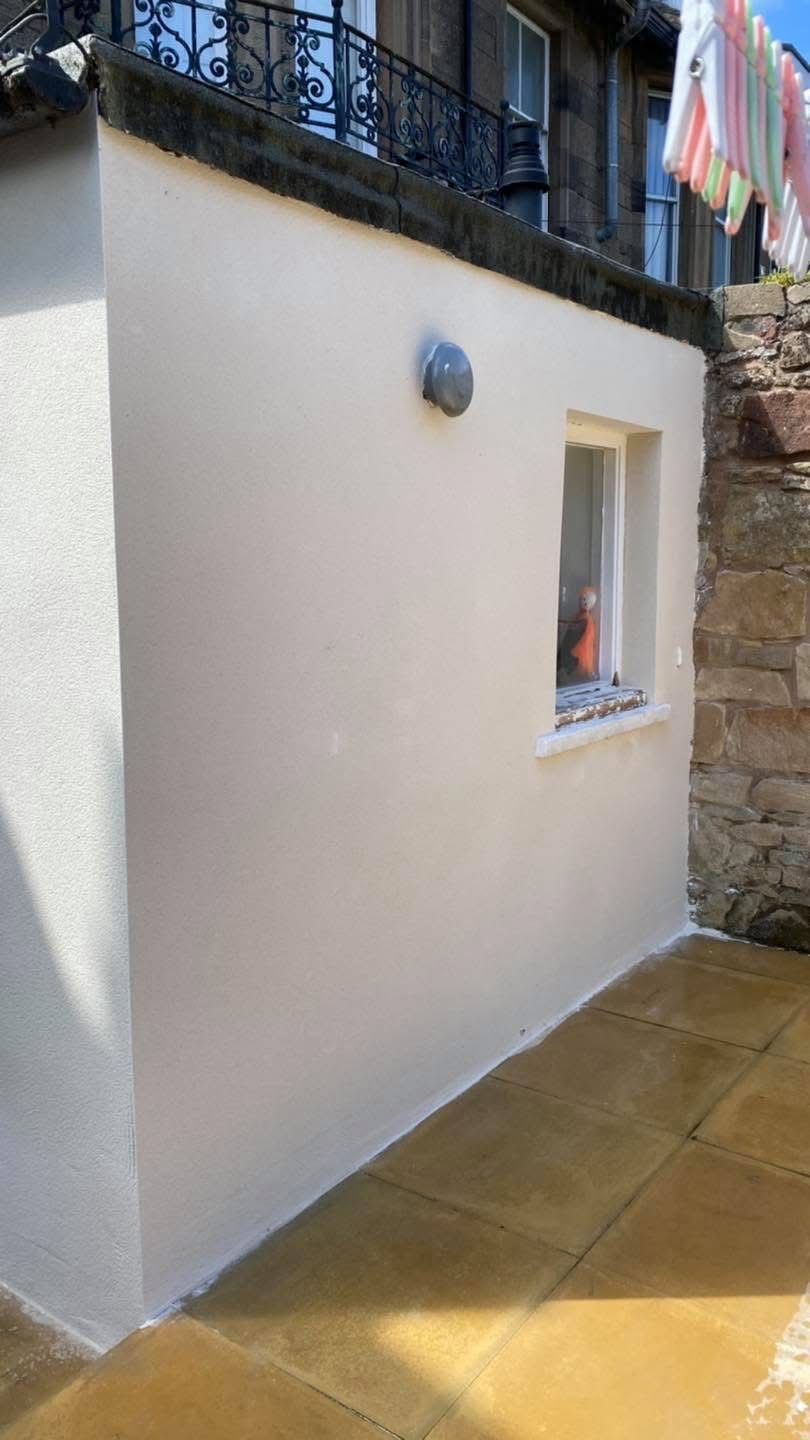
K-Rend is a high-performance render system that has become the industry standard for modern Scottish homes. Unlike traditional finishes that sit on the surface, K-Rend is a silicone-based, through-coloured render. The term through-coloured means the pigment is incorporated into the material during manufacturing rather than applied as a top coat. If the surface is chipped or scratched, the colour underneath remains identical to the surface. This characteristic eliminates the need for the regular painting cycles associated with older cement-based products.
For properties in Edinburgh, the silicone technology provides two critical advantages: water repellency and breathability. The hydrophobic nature of the render causes rainwater to bead and roll off the surface rather than soaking into the substrate. Simultaneously, the material remains vapor-permeable. This allows moisture from within the house to escape, a feature that is particularly vital for maintaining the health of older Scottish stone or brick masonry where trapped moisture can lead to internal dampness.
Our team at PlasterTec Edinburgh prioritizes these silicone systems because they offer superior flexibility. Edinburgh experiences significant temperature shifts that cause buildings to expand and contract. Silicone renders can accommodate this movement far better than rigid alternatives, significantly reducing the risk of hairline cracks. Furthermore, the specialized formulation provides a natural resistance to algae and organic growth, which is a common issue in the damp, shaded streets of neighborhoods like Stockbridge or the Grange. When our K-Rend specialists in Edinburgh apply these materials, the result is a finish designed to withstand the local climate while requiring minimal intervention from the homeowner.
The Traditional Sand and Cement Approach: Reliability and Versatility
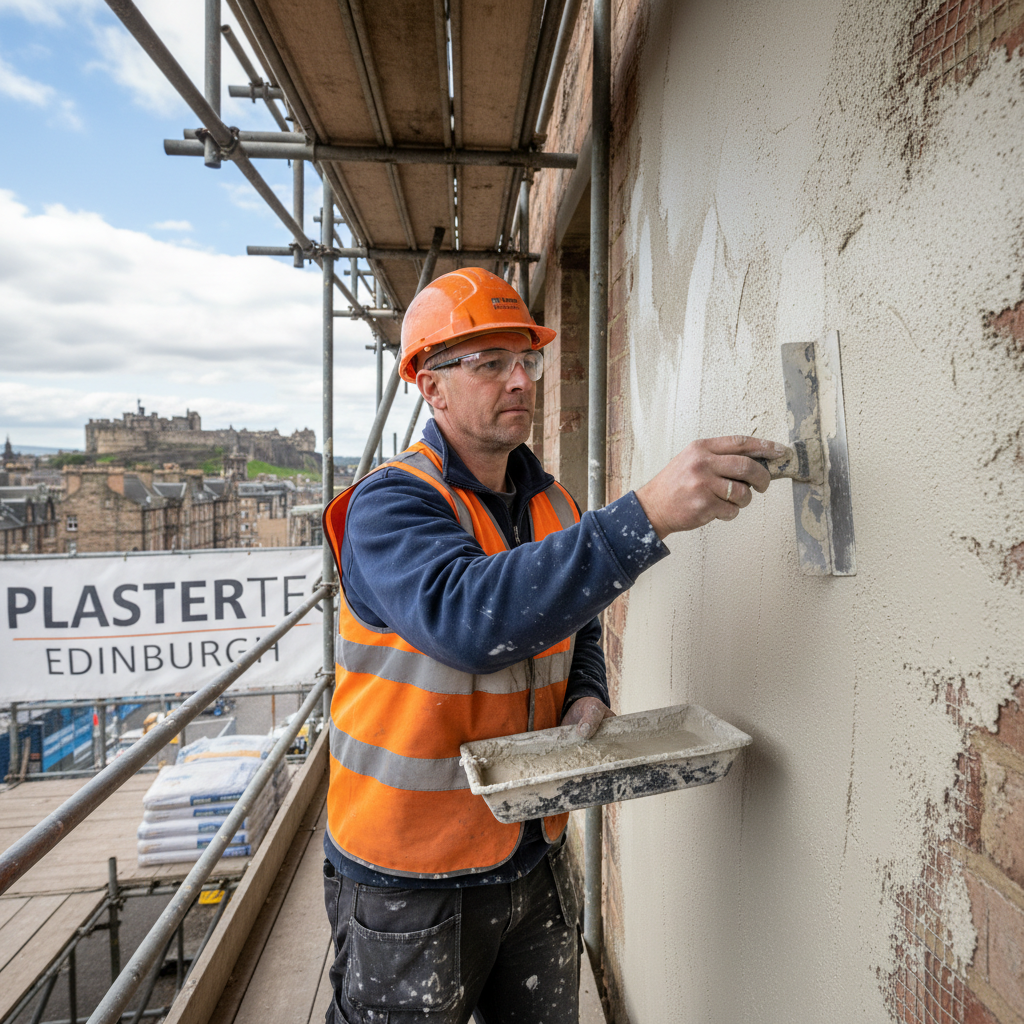
Traditional render remains a mainstay of Scottish construction. It typically consists of a two or three coat application involving a specific mixture of sharp sand, Portland cement, and hydrated lime. The addition of lime is crucial; it provides much-needed workability and a slight degree of flexibility that pure cement lacks. For decades, this has been the standard for exterior rendering services across the city, providing a hard, dense finish that has protected thousands of local villas and tenement extensions.
Unlike the modern silicone systems used by K-Rend specialists in Edinburgh, sand and cement is a rigid material. Edinburgh’s climate is particularly harsh on rigid surfaces. During winter, moisture can seep into the render and freeze. As water expands, it puts immense pressure on the material, often leading to the hairline cracks frequently seen on older properties. This rigidity means the finish cannot move with the building’s natural thermal expansion as effectively as silicone based products. Furthermore, this type of render is not through coloured. It requires a high quality masonry paint to seal the surface and provide the final aesthetic, which adds an ongoing maintenance requirement to the property.
Homeowners often select traditional methods for specific practical reasons. In many established neighborhoods, matching the exact texture and painted finish of adjacent properties is a priority for aesthetic harmony. It also offers a lower initial material cost compared to premium systems. While it lacks the advanced moisture management of K-Rend Edinburgh installations, it remains a reliable, versatile option for targeted repairs or budget conscious projects where a traditional painted look is the required outcome.
Performance Comparison: Handling the Edinburgh Climate
The performance gap between these materials becomes evident when subjected to the North Sea’s driving rain and salt-laden air. In a city where horizontal rain is a common occurrence, the water-repellent properties of K-Rend Edinburgh installations provide a significant technical advantage. The silicone technology creates a hydrophobic surface. This causes water to bead and run off immediately rather than sitting on the surface. Because the material remains breathable, any internal moisture can evaporate through the substrate, maintaining a dry building envelope.
By contrast, traditional sand and cement renders rely entirely on the integrity of the external paint film to exclude water. Once that paint layer develops microscopic cracks or begins to peel, the porous cement mixture underneath acts like a sponge. This trapped moisture is the primary cause of spalling. When temperatures drop below freezing, the water within the render expands as it turns to ice. This internal pressure causes the render to blow or detach from the wall, leading to unsightly patches and potential structural damage.
Feature | Silicone K-Rend | Traditional Sand & Cement |
|---|---|---|
Water Resistance | Hydrophobic (Beads off) | Relies on paint seal |
Breathability | High (Vapour permeable) | Low (Traps moisture) |
Frost Resistance | High (Flexible) | Low (Prone to spalling) |
Salt Air Durability | Excellent | Good (if painted well) |
Our K-Rend specialists in Edinburgh often highlight that flexibility is just as vital as water resistance. The city’s buildings are constantly moving due to thermal shifts. Traditional render is brittle; it cracks when the building expands. Silicone-based exterior rendering services offer enough elasticity to absorb these movements without fracturing. This flexibility prevents the initial entry points for moisture, effectively stopping the cycle of freeze-thaw damage before it begins.
Maintenance and Longevity: Through-Colour vs Regular Painting
Traditional sand and cement systems require a strict maintenance schedule to remain effective technical barriers. Because the protective seal is purely external, the masonry paint layer must be renewed every three to five years to prevent water ingress. Neglecting this cycle leads to the porous substrate absorbing moisture, which accelerates the deterioration of the underlying wall. For homeowners, this means recurring costs for scaffolding, materials, and professional labor that can become a significant financial burden over time.
In contrast, K-Rend Edinburgh installations offer a low-maintenance alternative that simplifies long-term property care. Since the pigment is integrated throughout the material, the finish does not require painting to maintain its aesthetic or protective qualities. The primary maintenance task involves a light wash with a specialized detergent or biocidal cleaner every few years to remove environmental dirt or light algae growth common in shaded or coastal areas.
When our K-Rend specialists in Edinburgh evaluate the lifetime value of exterior rendering services, the long-term savings are clear. Although the initial application of a silicone system is more expensive, it eliminates the need for repeated painting cycles. Over a ten to fifteen-year period, the absence of multiple scaffolding hires and professional painting fees often makes K-Rend the more cost-effective choice for permanent residences.
Aesthetic Options: Textures and Colours for Local Homes
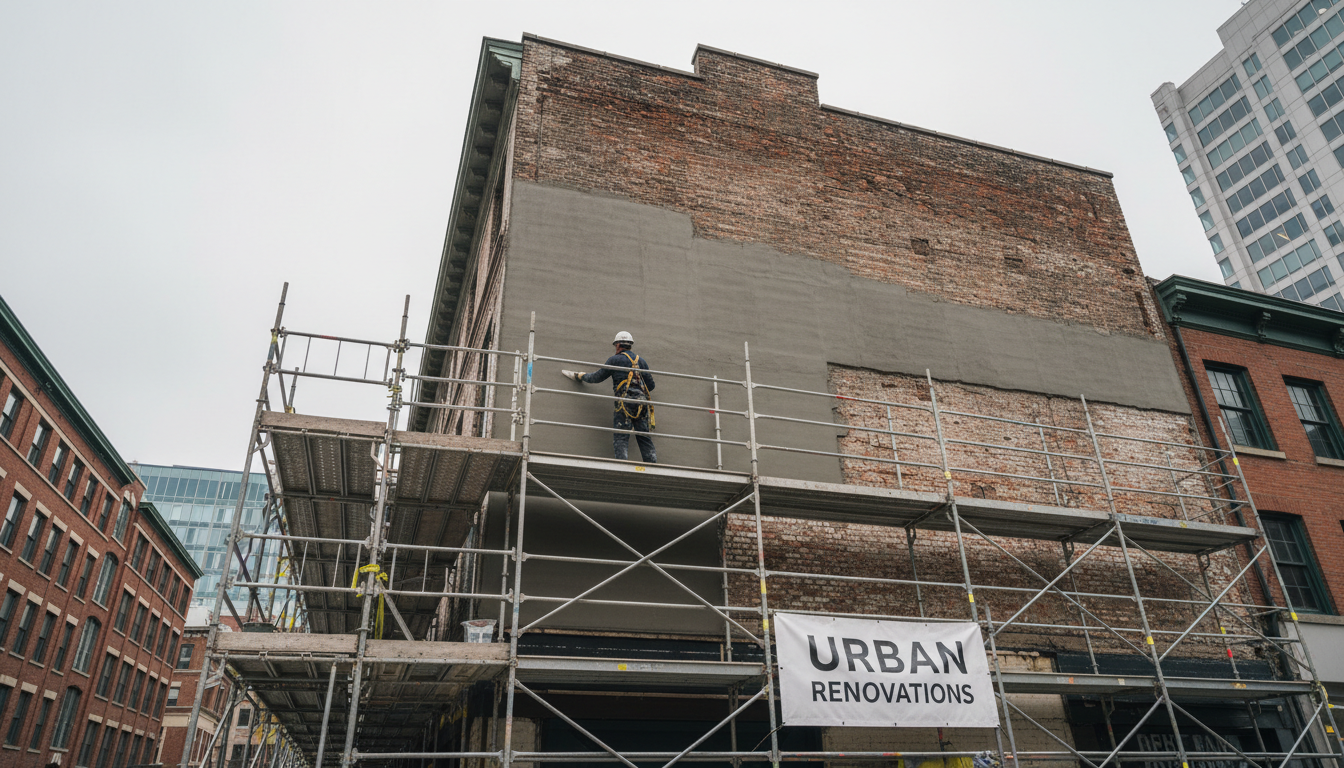
The visual impact of your property depends heavily on the chosen texture and colour profile. K-Rend offers a versatile range of finishes, with the Scraped Texture being the most sought after choice for modern Edinburgh homes. This finish is achieved by scraping the surface during the setting process, resulting in a crisp, uniform look that catches the light effectively. With a wide palette of pre-mixed shades available, homeowners can select tones like Silver Grey to mirror the city’s basalt architecture or warmer Creams to complement local sandstone.
Traditional sand and cement exterior rendering services typically produce a smoother, flatter finish. While this provides a clean canvas, the aesthetic is entirely dependent on the quality of the paint application. For a modern extension in a district like Morningside, the sharp lines of a K-Rend Scraped finish offer a contemporary edge. Conversely, when addressing a traditional tenement gable end, our K-Rend specialists in Edinburgh can select a through-coloured option that mimics the granular feel of aged masonry; this ensures the new work sits harmoniously within a historic streetscape without the flat, plastic look of some masonry paints. Choosing the right K-Rend Edinburgh finish allows for a bespoke appearance that respects the architectural heritage of the building.
Cost Analysis: Initial Investment vs Lifetime Value
When evaluating exterior rendering services, the initial price tag often drives the decision, yet it rarely tells the whole story of ownership. K-Rend represents a larger upfront investment. This is due to the premium cost of silicone-based materials and the specific skill set required by K-Rend specialists in Edinburgh to apply through-coloured products correctly. Traditional sand and cement appears more budget-friendly at the start, but its true cost accumulates through its maintenance cycle.
In our local climate, a painted cement finish typically requires a refresh every few years to remain waterproof. Homeowners must factor in the recurring expense of scaffold hire, which in a city like Edinburgh, can often match or exceed the cost of the painting itself. A K-Rend Edinburgh project effectively front-loads these expenses. By eliminating the need for regular repainting and repeated scaffolding setups, the silicone system often becomes the more economical choice by the end of its first decade.
Investment Factor | Traditional Sand & Cement | Silicone K-Rend |
|---|---|---|
Initial Material & Labour | Lower | Higher |
Scaffolding Frequency | Every 3-5 years (for paint) | Minimal (only for repairs) |
15-Year Maintenance Cost | High (Multiple paint cycles) | Low (Periodic cleaning) |
Total Lifetime Value | Lower for long-term owners | Higher for long-term owners |
Choosing the Right Solution for Your Property
Selecting the final specification requires balancing immediate capital expenditure against building longevity. A K-Rend Edinburgh installation is the recommended choice for homeowners prioritizing modern performance, breathability, and a maintenance-free lifestyle. It represents the superior technical solution for defending against the coastal climate.
Conversely, traditional sand and cement is suitable for localized repairs or properties within strict conservation areas where a specific painted aesthetic is mandated. Although K-Rend offers heritage-friendly palettes, certain historical mandates may require conventional mixes. Consulting with K-Rend specialists in Edinburgh ensures your selection meets local planning standards while providing high-quality exterior rendering services that secure the property's structural future.