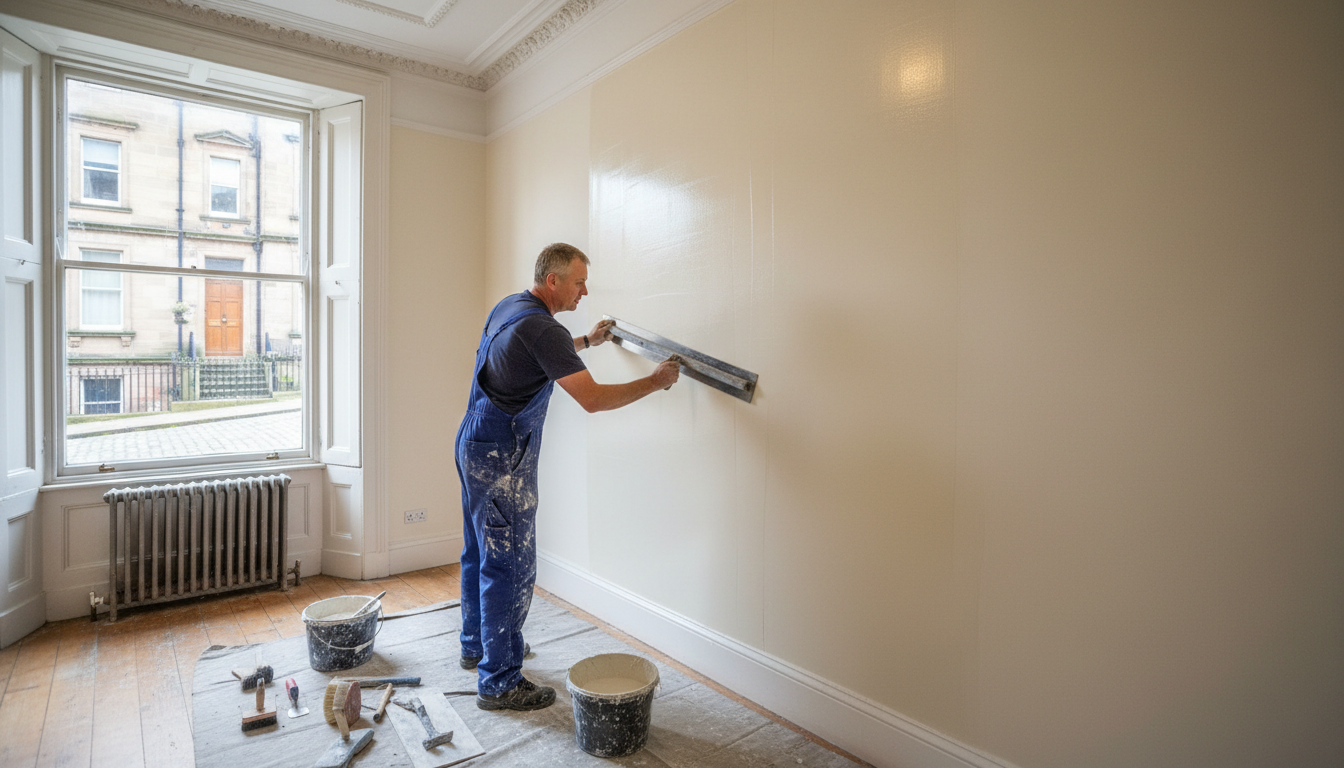
Identify lime plaster Edinburgh tenement walls by checking for soft, porous material behind finishes in historic pre-1919 stone properties. Protect these surfaces by using traditional breathable lime for repairs and avoiding modern gypsum; this allows the building to manage moisture naturally and prevents structural damage caused by trapped damp.
If you live in a classic Edinburgh tenement, you may have noticed bubbling paint, persistent damp patches, or crumbling dust behind your wallpaper. These issues are rarely just aesthetic; they often signal a fundamental mismatch between historic sandstone and modern building materials. For a traditional stone building to remain healthy, it must breathe. Using modern gypsum to patch these walls is a common mistake that traps moisture within the fabric of your home, potentially causing long term damage to the masonry. In this guide, PlasterTec Edinburgh explores the vital role of lime plaster in preserving your tenement. We will explain how to distinguish historic lime from modern gypsum using simple tests, discuss why non breathable materials pose a risk to sandstone, and outline what you should expect when restoring the structural integrity of your period property.
Why Your Edinburgh Tenement Wall Needs a Different Approach
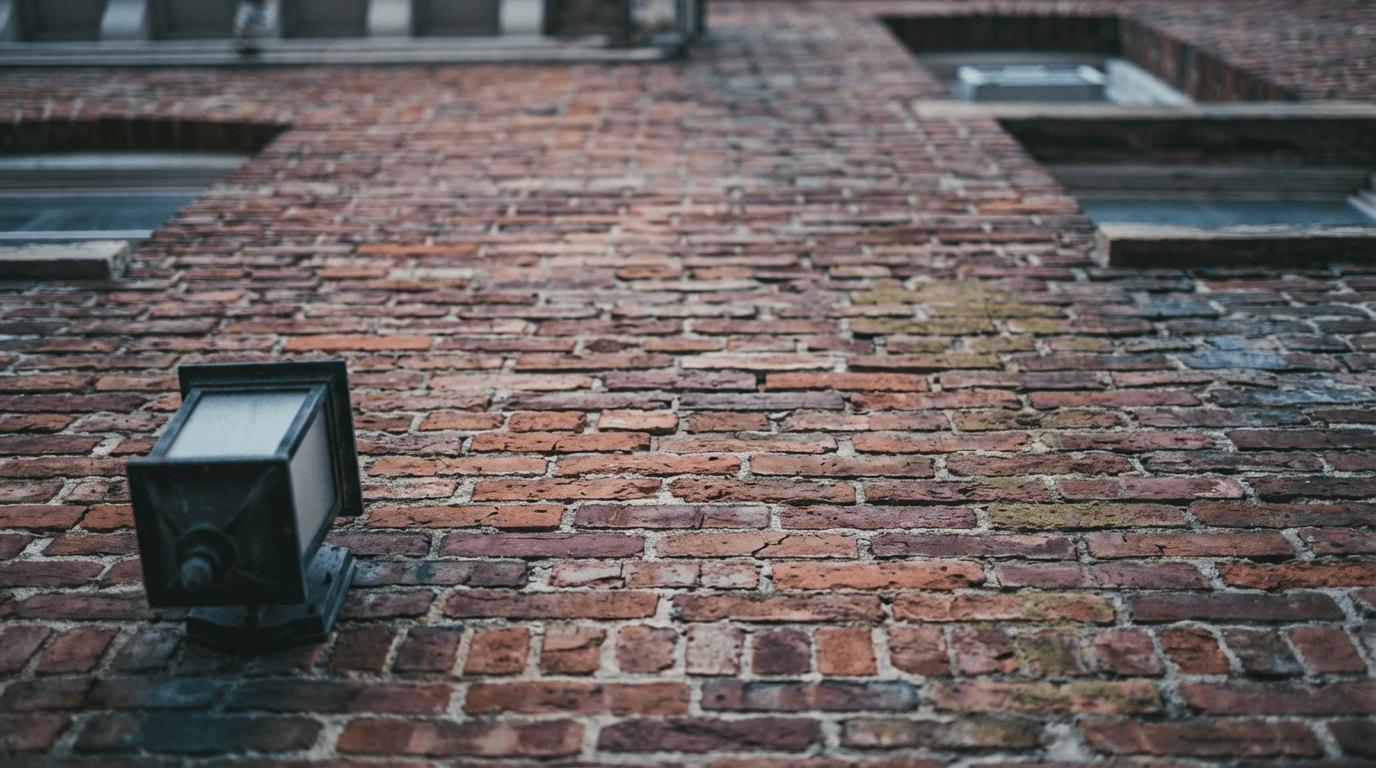
Edinburgh is defined by its iconic sandstone tenements, structures that have stood for over a century due to a specific relationship with the elements. Unlike modern homes designed with airtight seals and mechanical ventilation, a traditional lime plaster Edinburgh tenement was built to function as a living, breathing organism. The porous sandstone used in these builds acts like a sponge, naturally absorbing moisture from our notoriously damp Scottish climate and then releasing it back into the atmosphere through evaporation.
Historically, this moisture movement was facilitated by lime plaster. This material is vapor-permeable, allowing water to pass through the wall without causing damage. However, the mid-20th-century shift toward gypsum changed the landscape. Gypsum is a rigid, dense material that offers speed for the contractor but lacks the breathability required for solid stone walls. In a city like Edinburgh, where horizontal rain and high humidity are standard, choosing the wrong material can lead to catastrophic failure of the building fabric.
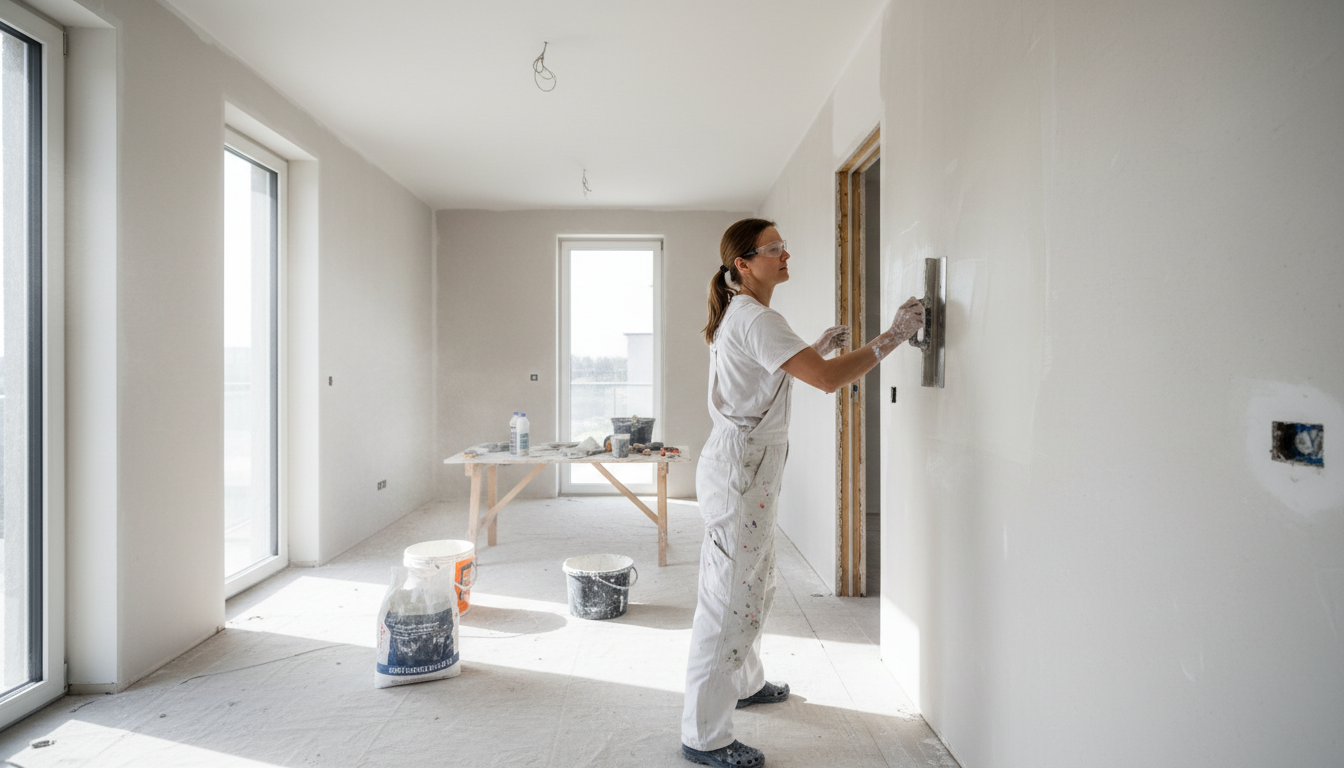
Working with an experienced local plasterer who understands these heritage requirements is essential for maintaining structural integrity. When moisture is trapped behind a modern, non-breathable layer, it has nowhere to go but into the stone itself. If you are concerned about your walls, contact our team for a site visit to evaluate the health of your masonry and ensure you are using professional plastering services in Edinburgh that respect the building's original design.
How to Tell if You Have Lime Plaster or Gypsum: The Homeowner Test
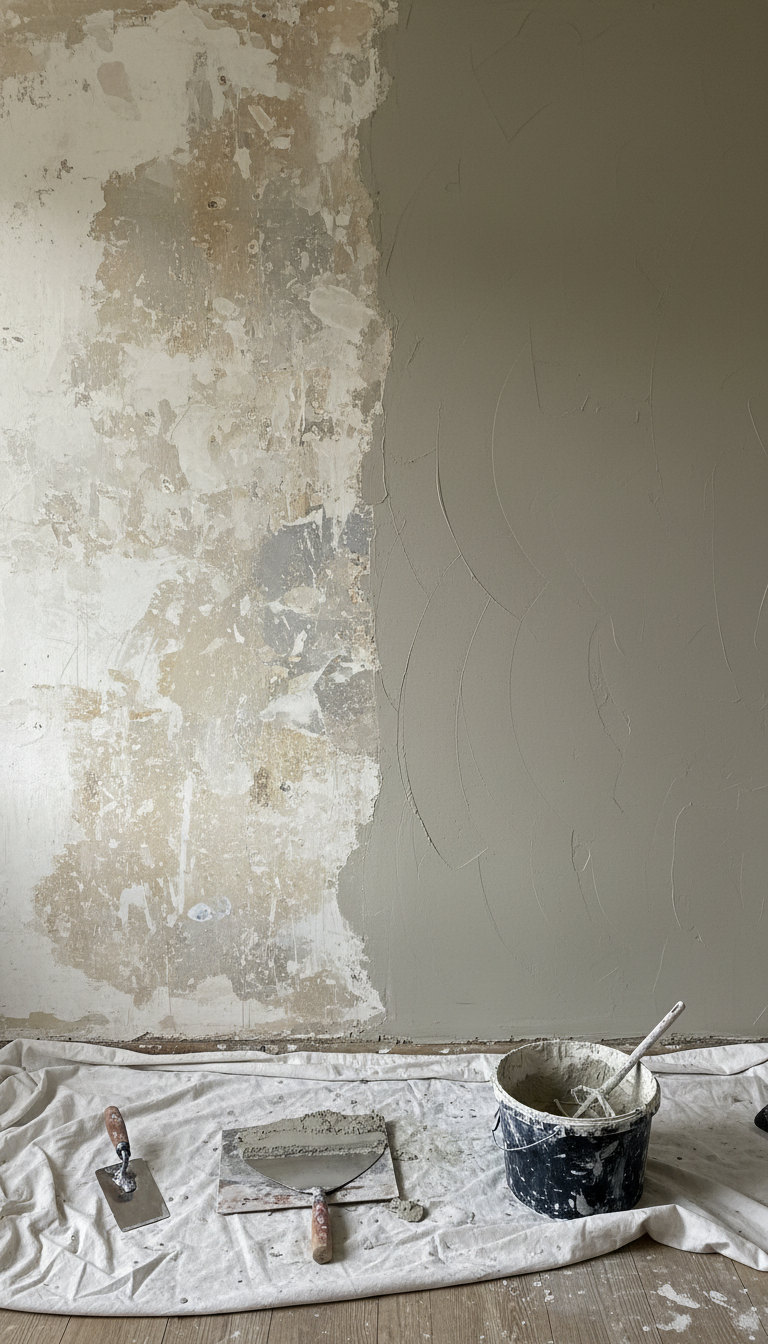
Identifying the composition of your walls is the first step toward a successful renovation. If you live in a lime plaster Edinburgh tenement, knowing what lies beneath the paint or wallpaper helps avoid the common mistake of applying modern materials to a historic fabric. You can perform several simple checks without needing professional tools to determine if your walls are original lime or a later gypsum intervention.
The Scratch Test: Find a small area of exposed plaster, perhaps behind a skirting board or inside a cupboard. Gently run the edge of a coin across the surface. Traditional lime is significantly softer than modern gypsum. If the coin easily leaves a deep mark or produces a gritty, chalky powder, you are likely looking at a lime based material. Gypsum is much harder and often resists scratching, feeling more like stone or ceramic.
The Colour Check: Examine a cross-section of a broken piece of plaster. Original lime plaster used in Edinburgh tenements is rarely pure white. It typically appears in shades of off-white, grey, or even a sandy beige due to the local aggregates used. In contrast, modern gypsum backing plaster is almost always a distinct salmon pink, while the finishing skim is a stark, brilliant white.
The Texture Test: Inspect the plaster for organic reinforcement. Traditional lime mixes often contain horsehair, which was used to provide tensile strength. If you see fine, dark hairs protruding from a sample, it is a definitive sign of heritage plaster. Additionally, lime plaster feels gritty to the touch because it contains sharp sand; whereas gypsum feels smooth and uniform.
If your walls sound hollow when tapped, a condition often called boss plaster, it indicates the lime has detached from the stone or lath. In such cases, you should contact our team for a site visit to determine if the area can be saved or if professional plastering services in Edinburgh are required to replace the failing sections with compatible materials.
The Vinegar Test: A Simple Way to Identify Historic Plaster
If the scratch and texture tests leave you uncertain, the vinegar test provides a more definitive, scientific confirmation. This simple acid test helps you determine if your lime plaster Edinburgh tenement walls are original or have been patched with incompatible modern materials. To perform the test, collect a small, dry crumb of plaster from a damaged area or behind a skirting board. Place the sample into a clear glass containing a splash of standard white vinegar and observe the reaction.
Lime plaster contains calcium carbonate, which reacts to the acetic acid in vinegar by releasing carbon dioxide. If the sample begins to fizz and bubble, it is almost certainly traditional lime. If the crumb remains inert and simply sits at the bottom of the glass, you are looking at modern gypsum. Identifying the substrate this way ensures you do not accidentally seal a breathable wall with a non-porous patch. If the test confirms the presence of historic lime, contact our team for a site visit to ensure any restoration work maintains the building's original moisture management system.
The Danger of Using Modern Gypsum on Edinburgh Sandstone
Using modern gypsum on a lime plaster Edinburgh tenement is often a decision driven by cost and speed, but it is a fundamental mismatch for the building's physics. To understand why, imagine the difference between a high-performance Gore-Tex jacket and a non-breathable plastic bag. The Gore-Tex, representing lime, allows moisture vapor to pass through its membrane to keep the wearer dry. The plastic bag, representing gypsum, traps perspiration against the skin, leading to a damp and saturated environment.
In the context of Edinburgh sandstone, gypsum acts as that plastic wrap. Because sandstone is a porous material that naturally absorbs groundwater and atmospheric humidity, it requires a clear path for that moisture to evaporate. When a rigid layer of gypsum is applied over the stone, it seals the surface. Moisture becomes trapped behind the plaster, leading to several structural failures. You will likely first notice "blown" or boss plaster, where the material physically detaches from the wall due to internal hydrostatic pressure.
Furthermore, this trapped moisture often carries minerals to the surface, resulting in efflorescence. These are the unsightly white, salty crusts that appear on the wall as water tries to escape. Over time, the constant presence of trapped water causes the underlying sandstone to soften and decay, turning a simple cosmetic issue into a significant structural concern. If you suspect your walls have been improperly sealed with incompatible materials, you should contact our team for a site visit. Relying on an experienced local plasterer who provides professional plastering services in Edinburgh ensures your tenement remains breathable, flexible, and structurally sound for decades to come.
Can You Plaster Over Old Lime Plaster with Gypsum?
Homeowners frequently ask if they can simply apply a modern finish over a lime plaster Edinburgh tenement wall to save time. While a gypsum skim coat will technically bond to sound lime plaster in the short term, doing so often triggers a series of structural failures. The primary issue lies in the conflicting physical properties of the two materials. Lime is flexible and moves with the natural shifts of a historic building; whereas gypsum is rigid and brittle. Because these materials have different thermal and moisture expansion rates, the bond between the two layers eventually shears, leading to widespread delamination and surface cracking.
Furthermore, the weight of modern backing plasters or thick gypsum coats puts immense stress on the original substrate. If your original lime is already fragile or held in place by century-old horsehair and timber laths, the additional weight can physically pull the old lime away from its fixing. This creates "boss" or hollow sections where the plaster has detached from the stone or lath. Instead of risking a total failure, the safest approach for a heritage property is to use a thin, compatible lime-based skim. If you are unsure about the stability of your current walls, contact our team for a site visit. An experienced local plasterer can assess the bond strength and provide professional plastering services in Edinburgh that prioritize technical compatibility and long-term durability over a quick, temporary fix.
When Lime Plaster is Non-Negotiable for Tenement Owners
In a lime plaster Edinburgh tenement, it is essential to distinguish between internal partition walls and external facing stone walls. Internal partitions, often constructed from brick or timber lath and plaster, are largely protected from the elements. In these shielded locations, modern gypsum might not cause immediate damage. However, for the internal side of external stone walls, using traditional lime is a non-negotiable requirement for the building's survival.
The sandstone thickness across Edinburgh varies significantly, which directly influences how moisture moves through the building fabric. In Marchmont, the thick Victorian sandstone blocks act as a massive moisture reservoir. These walls require a high degree of vapor permeability to dry out effectively after periods of heavy rain. Conversely, in areas like Leith, coastal humidity and varying stone quality can exacerbate damp issues if the walls are sealed with synthetic materials. Applying gypsum to these external facing surfaces creates a barrier that traps moisture against the masonry, eventually leading to the decay of the sandstone and the total failure of the wall finish.
An experienced local plasterer recognizes that perimeter walls are the building’s primary defense against the Scottish climate. To avoid the risk of structural decay, these specific surfaces must remain breathable. If you are unsure which walls in your property are solid stone versus internal brick, contact our team for a site visit. We provide professional plastering services in Edinburgh that prioritize technical compatibility over convenience, ensuring your home remains dry and structurally sound for the long term.
Cost and Timeline: What to Expect from a Lime Plaster Project in Edinburgh

Investing in a lime plaster Edinburgh tenement project requires a different financial and temporal mindset than a standard gypsum patch-up. Because lime sets through a process of carbonation, it demands multiple coats with significant drying intervals between each application. While a modern skim might be finished in a afternoon, a traditional lime project for a single room often spans two weeks or more to allow for proper curing. This labor-intensive process is why a typical room repair in the city generally ranges from £900 to £2,200, depending on the extent of the damage and whether the underlying timber laths require stabilization.
The higher price point reflects the specialized craftsmanship provided by an experienced local plasterer. Unlike mass-market materials, lime must be carefully managed to avoid shrinkage and ensure a permanent bond with the historic sandstone. Choosing professional plastering services in Edinburgh that utilize these traditional methods is a strategic investment in the structural integrity of your property. By restoring the wall's ability to breathe, you prevent the costly masonry decay and salt damage associated with moisture entrapment. This preservation of the building fabric not only creates a healthier living environment but also protects the property's long term resale value. To get an accurate estimate for your specific project, contact our team for a site visit to evaluate the scope of work required.