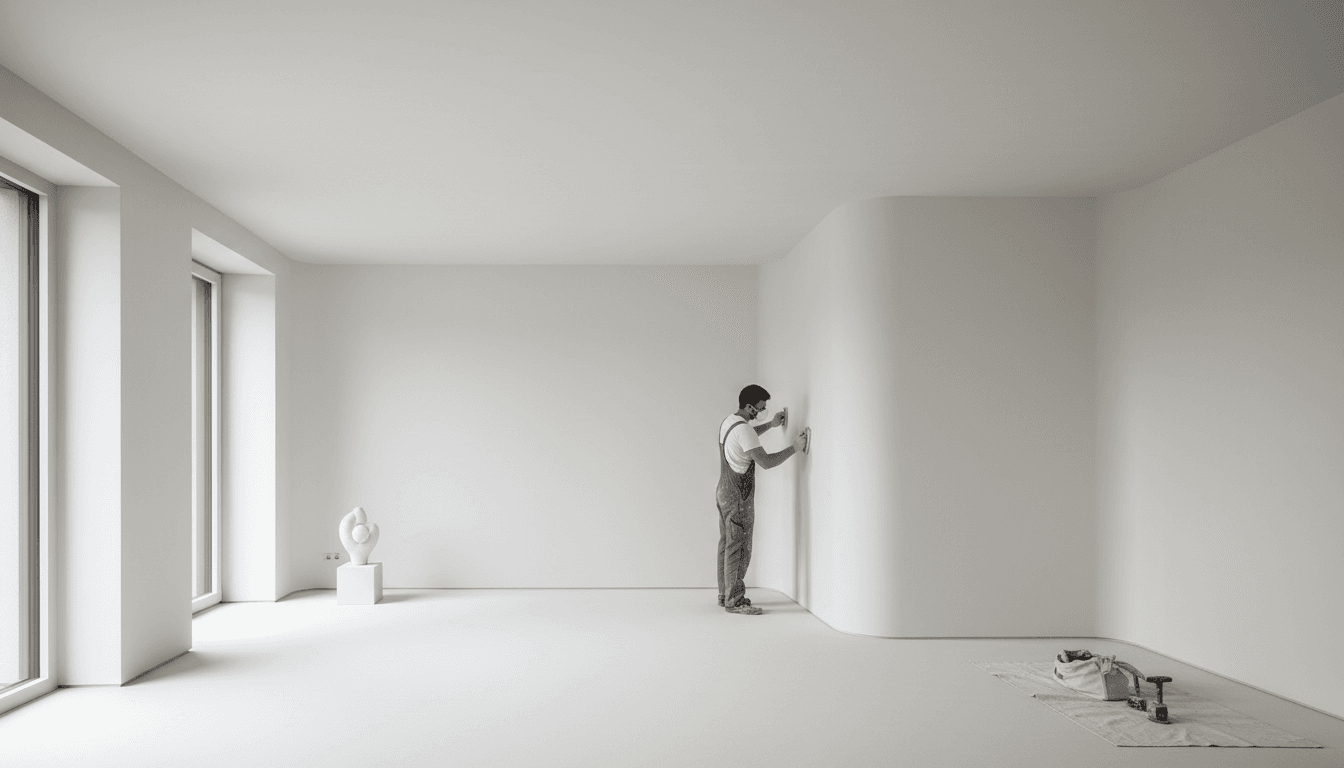
A successful project for replastering a room Edinburgh before and after results in smooth walls and the resolution of structural issues like blown plaster. The transformation usually takes one to three days to complete; costs typically range from £455 to £1,140 based on the property size and the specific materials required.
Walking into a classic Edinburgh tenement and seeing cracked, crumbling walls often feels like a losing battle against time. You might notice a hollow sound when tapping the surface or find grit falling from behind your wallpaper; these are the telltale signs of blown plaster that no amount of paint can hide. In a historic city like ours, maintaining the integrity of these stone properties requires more than a quick patch; it demands a deep understanding of traditional materials and modern finishes. This article documents a complete room transformation, providing a detailed look at how we identify surface failures and the professional seven stage process we use to restore them. From the initial assessment to the essential final mist coat, you will discover the timelines, costs, and practical steps involved in taking an Edinburgh room from tired and failing to a perfectly flat, gallery quality finish.
The Challenge: Restoring a Tired Edinburgh Tenement Room
Walking into a classic tenement in Marchmont or Bruntsfield, you are often met with soaring ceilings and ornate cornicing, but beneath the surface, these rooms usually hide a century of wear. The primary challenge lies in the traditional lath and plaster construction characteristic of Edinburgh’s historic architecture. Over time, the plaster keys or nibs that lock through the timber laths break away, leading to the sagging, bouncy walls common in older Leith properties. Many homeowners discover that their walls are held together by little more than six layers of Victorian wallpaper and decades of woodchip paint.
A generic patch job rarely suffices in these environments. When you fill a crack in a detached wall, you are simply adding weight to a failing structure, which inevitably leads to new cracks within months. The substrate itself has lost its bond to the building. This is why seeing the process of replastering a room Edinburgh before and after is so revealing; it shows the transition from a brittle, hollow shell to a solid, breathable surface that actually adheres to the masonry or lath.
For those seeking plastering services in Edinburgh, the goal is often a permanent solution rather than a cosmetic mask. A full strip back and replaster restores the structural integrity of the room, ensuring that your investment in high end finishes isn’t wasted on a crumbling foundation. Engaging a local Edinburgh plasterer who understands how stone buildings breathe is the first step in turning a dusty, uneven space into a smooth, modern interior that still respects its historic roots.
The Before: Identifying Blown Plaster and Surface Failures
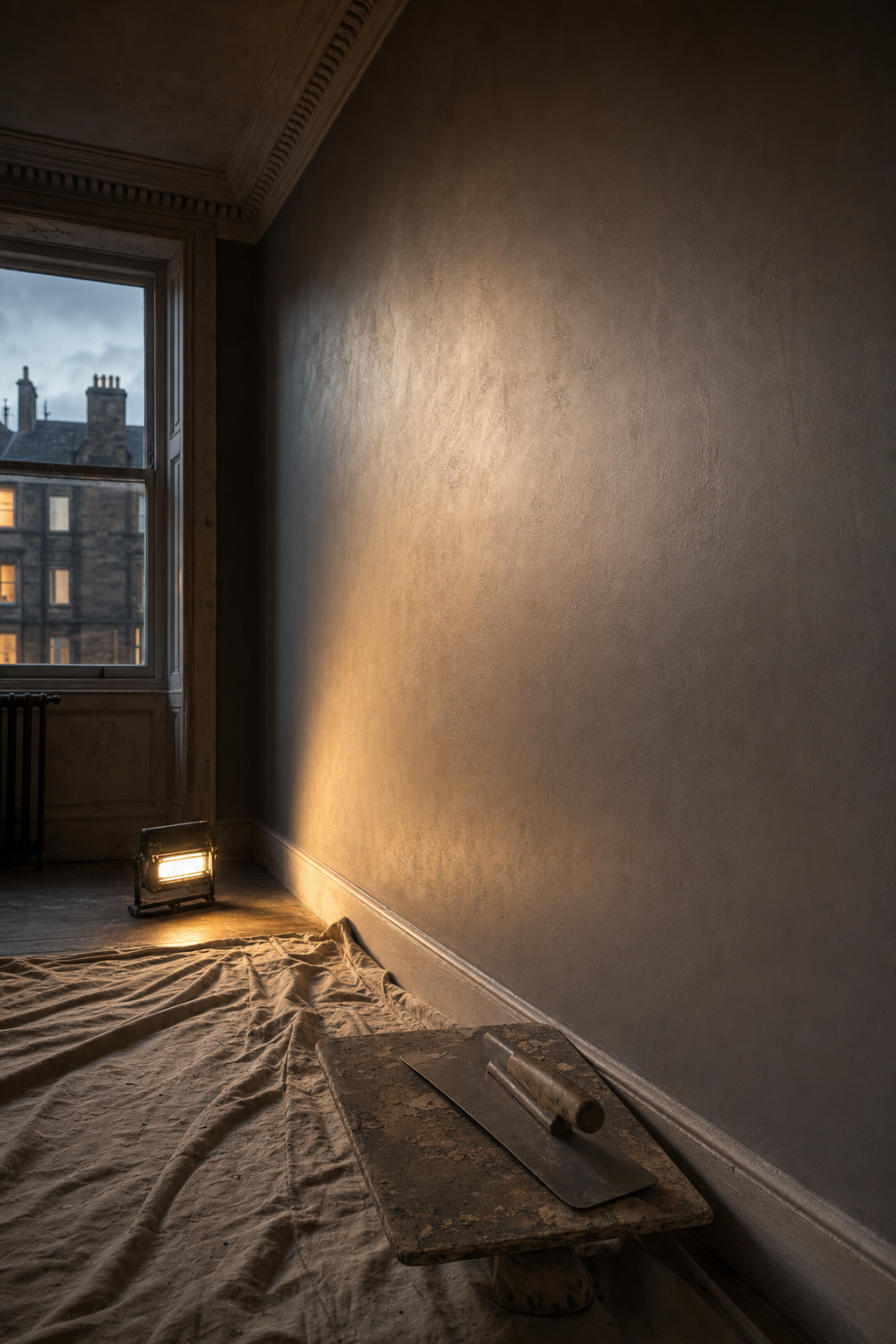
Before any restoration work begins, a thorough diagnostic audit is essential to determine the health of the substrate. The most reliable method for assessing old tenement walls is the tap test. By gently knocking on the wall with your knuckles or a wooden spoon, you can identify the integrity of the bond. A solid, dull thud indicates the plaster is still firmly keyed to the underlying lath or masonry. Conversely, a hollow, drum like echo is a clear signal of blown plaster, where the material has physically detached from the structure.
Visual cues often tell the rest of the story. Significant bulges in the wall suggest that the plaster has slumped away from the laths, creating a precarious void that can eventually lead to collapse. While hairline cracks are common in older buildings and can often be managed with a simple skim, deep diagonal cracks spreading from the corners of door frames or sash windows are more concerning. These often indicate structural movement or the total failure of the internal plaster keys. Furthermore, a powdery or crumbling texture that leaves a white residue on your hand suggests the plaster has perished due to age or carbonation, making it an unsuitable base for new finishes.
Homeowners must differentiate between cosmetic surface wear and structural failure when planning a project. If the walls are stable but scarred by decades of wallpaper removal, a skim coat is a cost effective way to achieve a fresh finish. However, if the tap test reveals widespread hollow sections, applying new material over the old is a mistake. The weight of new wet plaster often pulls the failing layers away from the wall entirely. Identifying these failures early is what defines the success of replastering a room Edinburgh before and after the transition, ensuring the new surface is built on a solid foundation. If you notice recurring damp patches or bubbling paint, consult a local Edinburgh plasterer to check for underlying moisture issues before proceeding. You can see examples of how these assessments lead to successful restorations in our portfolio of local projects.
Step by Step: The 7 Stages of Plastering an Edinburgh Room
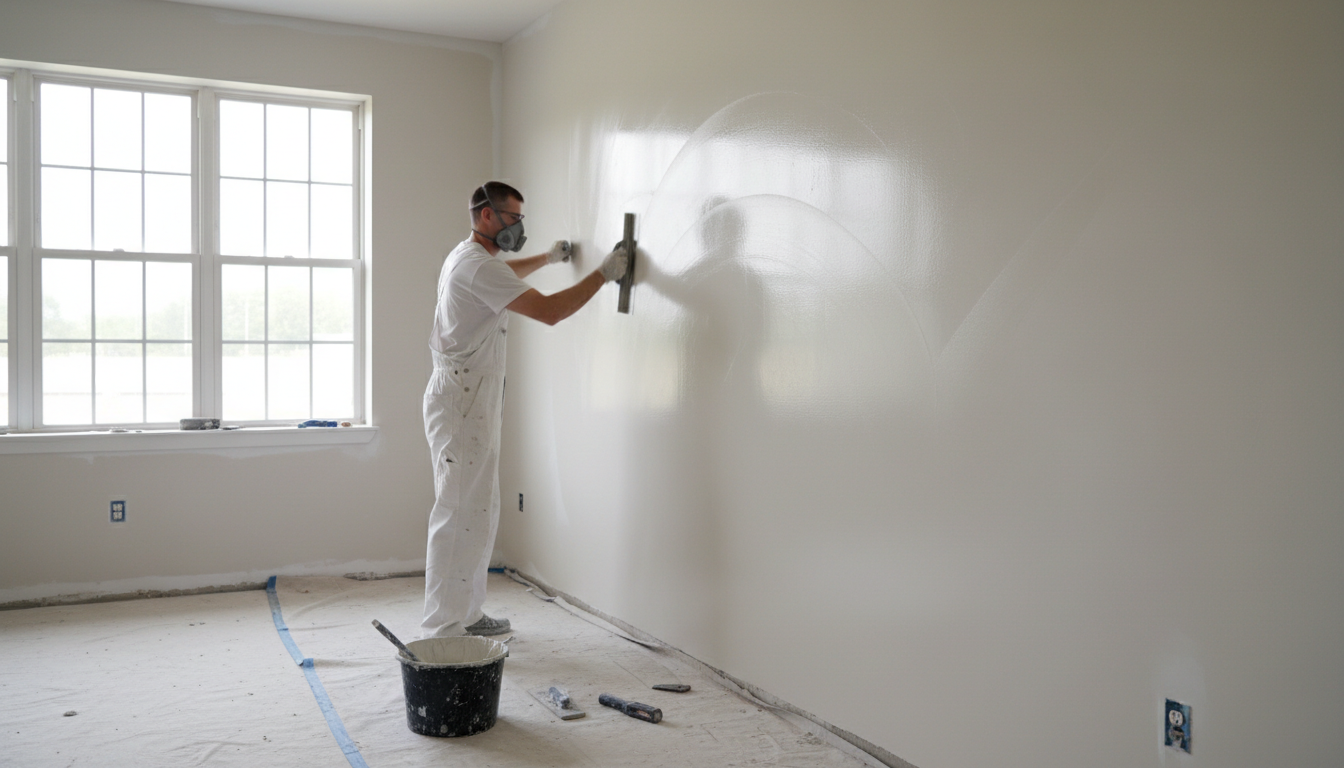
Once the assessment is complete, the physical transformation begins. A professional local Edinburgh plasterer follows a methodical process to ensure the new surface is both aesthetically perfect and structurally sound. Understanding these seven stages helps homeowners manage expectations during the messy, intensive middle phase of a project.
Preparation: We protect the property by laying heavy duty floor protection and sealing off doorways. In Edinburgh tenements, dust travels quickly through high ceilinged hallways, so containment is the first priority.
Stripping and Assessment: Any blown plaster identified during the tap test is removed. We strip back to the masonry or lath, ensuring the remaining edges are secure. This stage is where the true scope of replastering a room Edinburgh before and after becomes apparent, as the room is reduced to its bare bones.
Priming: We apply professional bonding agents, such as PVA or high suction primers. This regulates suction and ensures the new plaster adheres to the old stone or brickwork without drying out too quickly.
The Scratch Coat: Also known as the bonding coat, this initial layer provides the foundation. It is applied to level out deep indentations and provide a 'key' for the subsequent layers to grip.
The Brown Coat: This leveling layer is vital for Edinburgh's older walls, which are rarely plumb. We use this coat to square the room and create a flat vertical plane, compensating for decades of building settlement.
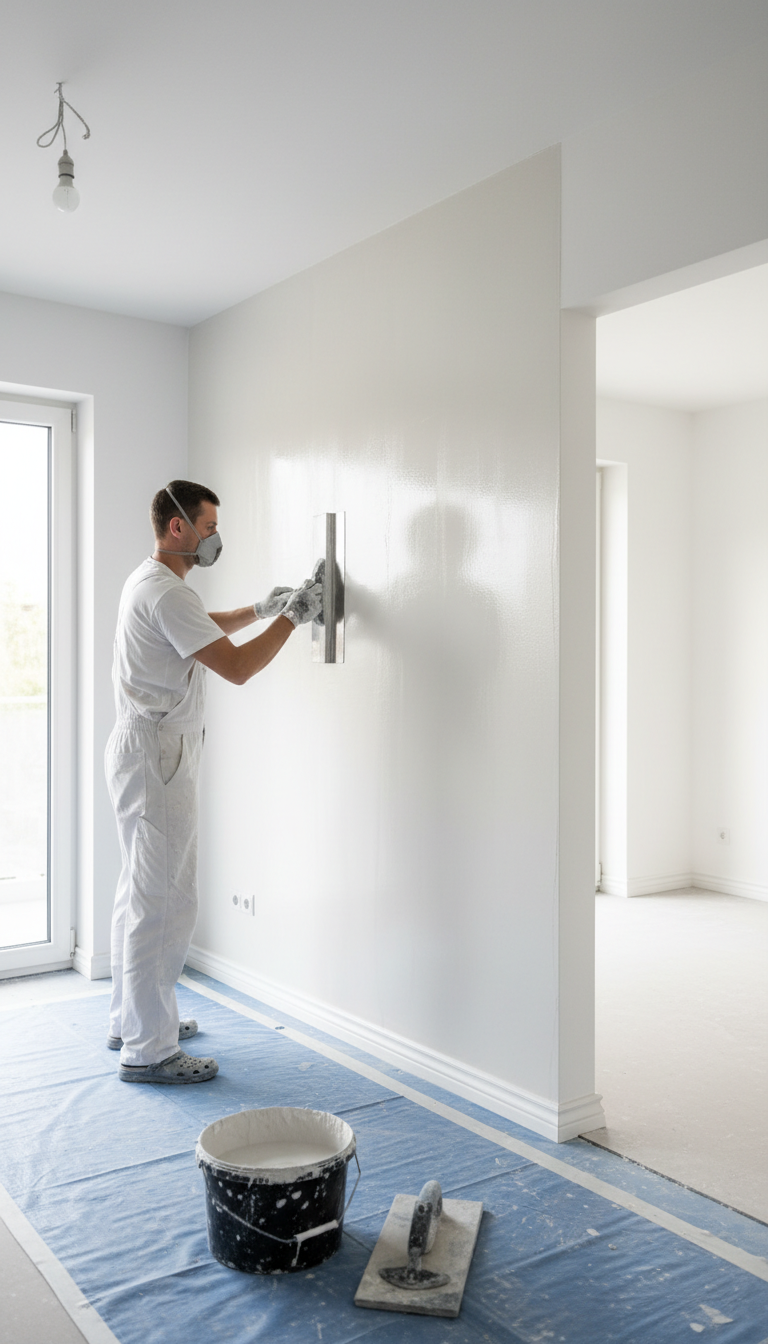
The Skim Coat: The finishing plaster is applied in two thin, consecutive layers. This is the stage that creates the visible surface of the wall, requiring a high degree of speed and technical skill.
Polishing: As the plaster begins to set, the surface is troweled multiple times with a small amount of water. This compresses the material to create a hard, glass-smooth finish.
Executing these stages in a traditional tenement presents unique logistical challenges. The typical ceiling height in areas like the New Town often exceeds three meters, requiring specialized hop ups or internal scaffolding towers. Furthermore, working around original cornicing demands extreme precision; we must ensure the new plaster meets the historic molding with a crisp, clean line without obscuring the delicate Victorian or Georgian details. You can see how we navigate these architectural features in our portfolio of local projects. When providing plastering services in Edinburgh, we treat these heritage elements as the focal point of the room, ensuring the new walls complement the building's original character.
Replastering a Room Edinburgh Before and After: The Visual Impact
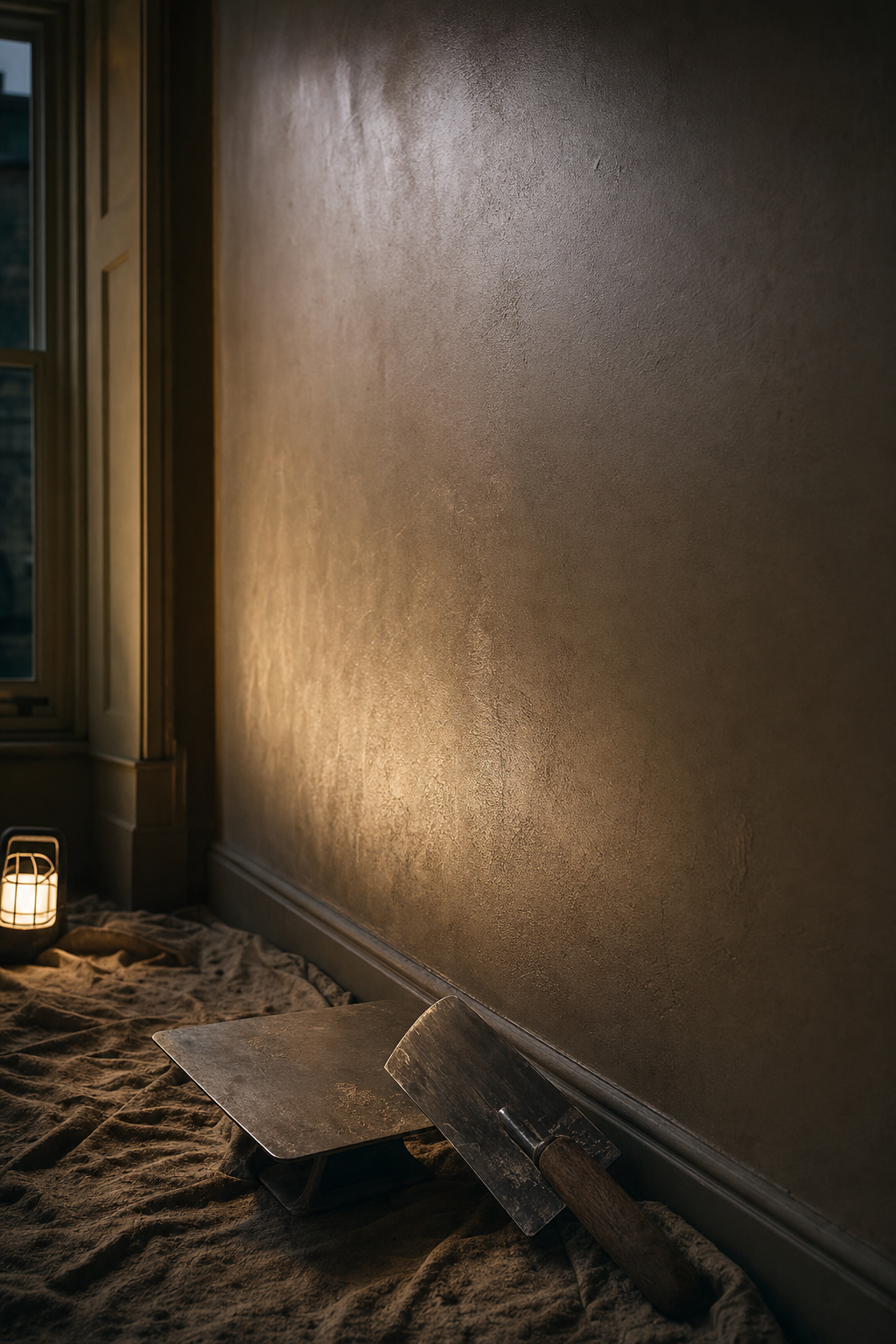
The visual shift during the process of replastering a room Edinburgh before and after is nothing short of an architectural reset. In the before state, even a grand Marchmont lounge can feel claustrophobic. Decades of heavy wallpaper and distemper paint create a surface textured with lumps, hollows, and historical failures. These uneven walls catch shadows, making the room feel dim despite the presence of massive sash and case windows. Damp patches near the external masonry often lead to salt staining and bubbling, which further degrades the room's aesthetic appeal and structural health.
Once the final trowel has polished the surface, the room undergoes a radical change. The after is defined by glass-smooth walls and razor-sharp internal corners that provide a crisp, clean perimeter. One of the most significant benefits of plastering services in Edinburgh is the dramatic improvement in natural light. A flat, uniform surface reflects light evenly across the space, amplifying the brightness of high-ceilinged rooms. This creates a superior canvas for modern, high-pigment paints, which often highlight flaws rather than hide them. Instead of a surface that breathes through cracks and crumbling lath, you have a solid, breathable finish that integrates perfectly with the building's original features. You can see these transformations in our portfolio of local projects.
Practicalities: Cost, Timelines, and Living in the House
Navigating the logistics of a renovation in a busy capital city requires clear expectations regarding time and budget. For a standard room, the actual labor typically spans 1 to 3 days. A simple skim coat on stable walls might be completed in a single day, while a full restoration involving the removal of blown plaster and the application of bonding coats requires more time. However, the project duration extends beyond the final trowel stroke. New plaster introduces significant moisture into the building; drying times vary from a few days for a thin skim to several weeks for deeper repairs.
Financial planning for plastering services in Edinburgh should account for the specific architectural demands of the city. For a typical room, homeowners should expect a price range between £455 and £1,140. This variance depends on the ceiling height, the total square meterage, and the complexity of working around original features. Although Edinburgh represents a premium market for trades, investing in a local Edinburgh plasterer who understands high-suction stone and heritage laths prevents the financial drain of recurring cracks and surface failures.
A common question we encounter is whether a room is habitable immediately after work finishes. While the material is non-toxic, sleeping in a freshly plastered room is generally discouraged for the first 24 to 48 hours. The curing process releases a high volume of humidity into the air, which can make the environment feel damp and lead to poor sleep quality. Adequate ventilation is essential during this window to manage the moisture levels and ensure the substrate dries evenly without cracking.
The Aftercare: Drying Times and the Essential Mist Coat
Once the tools are packed and the site is clear, the success of the finish depends on your patience during the curing phase. You will observe the plaster changing from a dark, wet pink to a uniform, pale matte pink as the moisture evaporates. A standard skim coat typically dries within three to five days, while deeper repairs involving bonding coats in thick tenement walls can take two weeks or longer. Resist the urge to turn the central heating to maximum; excessive heat causes the plaster to dry too quickly, leading to shrinkage cracks. Instead, maintain natural ventilation by keeping internal doors open and windows slightly ajar.
Applying a mist coat is the most critical step before final decoration. New plaster is highly porous and will instantly suck the moisture out of standard emulsion, preventing a proper bond and causing the paint to peel off in sheets later. To create a successful seal, mix a standard matte emulsion with water at a ratio of approximately 70% paint to 30% water. This thinned mixture penetrates the surface pores, creating a permanent key for your topcoats. Seeing the transformation of replastering a room Edinburgh before and after is only truly satisfying once the final paint layer is locked securely to the substrate. If you have questions about specific drying conditions in your property, our local Edinburgh plasterer can provide tailored advice during our plastering services in Edinburgh.
Restoring the original charm of an Edinburgh tenement is a rewarding journey that transforms a tired space into a polished home. This project demonstrates how high quality plastering provides the perfect foundation for any interior design. If you want expert help to achieve a flawless finish in your own property, our team is ready to assist. You can learn more about our experience and approach to traditional restoration. We focus on delivering results that respect the historic character of your building while providing modern durability.