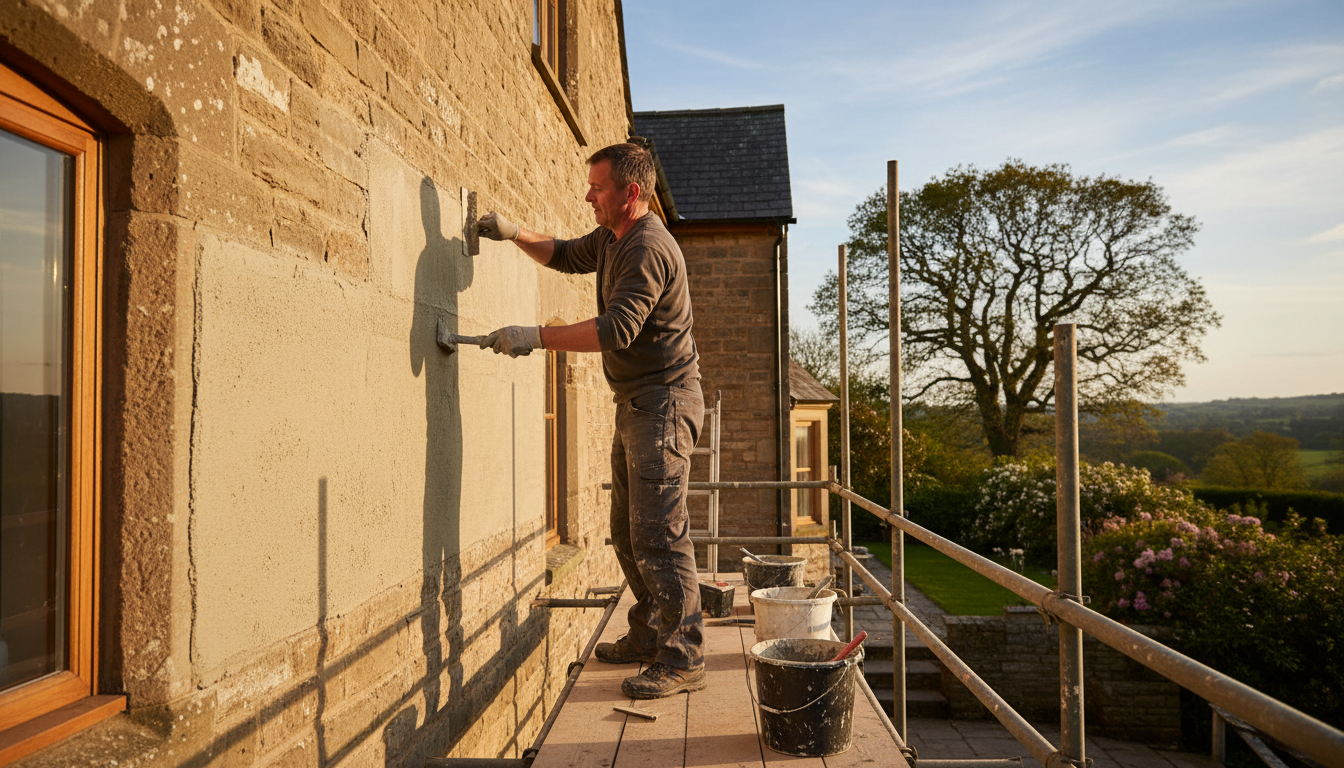
Condensation on walls Edinburgh persists in older buildings because warm, humid air hits cold, uninsulated surfaces like solid masonry. Specialized thermal plastering fixes this by raising the surface temperature of the wall; this prevents moisture from forming by eliminating the cold bridging common in stone tenements.
Living in one of Edinburgh’s iconic tenements often comes with a persistent, damp reality. You might notice beads of moisture forming on your bedroom walls every morning, or perhaps a stubborn patch of black mould keeps returning despite your best efforts to scrub it away. In our coastal climate, these issues are rarely just about ventilation; they are often a fundamental conflict between traditional stone masonry and modern living standards. Ignoring these signs can lead to degraded masonry and poor indoor air quality. In this guide, we will explore why Edinburgh’s solid stone walls are uniquely prone to condensation and how identifying the true source of dampness is the first step toward a dry home. You will learn why standard gypsum plaster often fails in these properties, and how specialist solutions like breathable lime or thermal plastering offer a definitive cure for your walls.
The Edinburgh Context: Why Solid Stone Walls Are Prone to Condensation
Edinburgh is defined by its stunning period architecture, but the very materials that make our city beautiful often contribute to persistent moisture issues. Traditional sandstone tenements and solid stone villas were designed to breathe, yet their construction creates unique thermal challenges in a modern living environment.
Unlike modern homes built with two layers of brick and an insulating cavity, the solid walls in areas like Marchmont, Bruntsfield, and Leith are single, massive units of stone. These thick walls lack the thermal break provided by cavity insulation, meaning they act as a heat sink. The internal surface of the stone remains significantly colder than the indoor air temperature. When warm, moist air from cooking, showering, or even breathing touches these cold spots, it reaches its dew point and transforms into liquid water. This is the primary driver behind condensation on walls Edinburgh residents face during the colder months.
Homeowners typically notice surface condensation first, which manifests as visible moisture or black mould in corners and behind furniture. However, research from the Engine Shed highlights a more insidious problem known as interstitial condensation. This occurs when moisture vapour travels into the porous sandstone and condenses inside the fabric of the wall itself. In a healthy traditional building, this moisture eventually evaporates. But when modern, non-breathable materials are applied to the stone, this water becomes trapped. Over time, this trapped moisture leads to structural decay, salt staining, and the eventual failure of the interior finish.
Managing the balance between internal heat and the moisture levels within these historic structures requires specialized knowledge of heritage building techniques. For those struggling with persistent damp patches that refuse to clear, seeking professional plastering services in Edinburgh is a necessary step to ensure the correct breathable materials are used to protect the integrity of the stone.
Is it Condensation or Damp? How to Identify the Problem in Your Home
Distinguishing between simple condensation and structural damp is the first step toward a permanent fix. In Edinburgh’s climate, the symptoms often overlap, but specific patterns reveal the source. Look for these key signs:
Black mould (spotting) in the upper corners of a room or behind wardrobes.
Constant water droplets pooling on window sills and glass.
A persistent musty odor that lingers even after the heating is turned up.
These are classic indicators of the condensation on walls Edinburgh residents report most frequently. Contrast this with penetrating damp, which typically presents as a localized, dark patch that worsens significantly after heavy rain. In our city, this is often the result of debris-filled gutters or cracked external render common in older tenements. If the dampness is limited to the bottom meter of a ground-floor flat and includes salt-like white crystals, it is likely rising damp, which draws moisture up from the foundations through capillary action.
To diagnose the issue yourself, try the polyethene bag test. Tape a piece of clear plastic over a dry-looking but cold patch on the wall, sealing all four edges tightly with waterproof tape. Leave it for 48 hours. If moisture appears on the front of the plastic, the problem is internal humidity condensing on the cold surface. If the wall behind the plastic is wet, moisture is likely tracking through the stone from the outside. Identifying this early prevents you from wasting money on surface treatments when structural repairs are needed. If the test suggests the wall itself is failing, consult an experienced local plasterer to assess the damage to the internal finish. For a comprehensive survey of your interior surfaces and a plan to manage moisture, you can contact PlasterTec Edinburgh to discuss a long-term solution.
The Mistake of Using Modern Gypsum Plaster on Traditional Stone
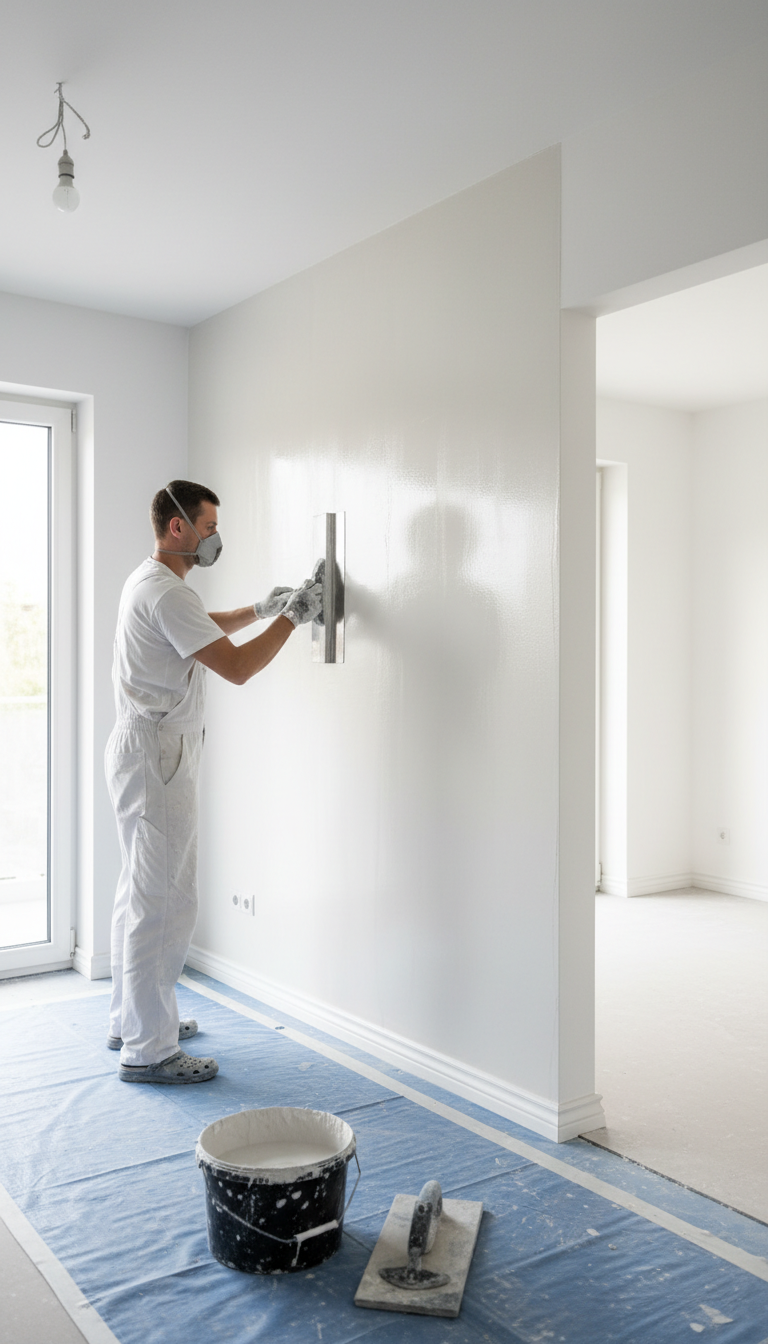
Once you have diagnosed the source of moisture, the most critical error is selecting the wrong finish for the repair. Many contractors default to modern gypsum plaster or cement-based renders because they are cheap and fast to apply. However, applying these materials directly onto traditional Edinburgh sandstone is effectively like wrapping your home in a plastic bag.
Traditional stone needs to manage moisture through evaporation. Modern gypsum is non-porous and lacks the capillary structure required to move water vapour. When moisture becomes trapped between the stone and the plaster, it has nowhere to go. This leads to the frustrating phenomenon of mould on walls after plastering, where black spots reappear despite a fresh finish.
Over time, the hydraulic pressure of trapped water and the crystallization of minerals cause the plaster to blow, detaching from the stone entirely. You may notice white, powdery salt stains, known as efflorescence, or areas where the surface feels soft and crumbles under light pressure. This physical failure is a direct result of trying to force a modern material to perform in a heritage environment. For homeowners dealing with these recurring failures, hiring an experienced local plasterer who understands the requirements of solid stone is the only way to break the cycle of condensation on walls Edinburgh buildings often suffer from.
Breathable Lime Plaster: The Traditional Cure for Edinburgh Tenements
The remedy for the plastic bag effect of modern gypsum lies in returning to the materials for which Edinburgh’s tenements were originally designed. Breathable plaster Edinburgh specialists favor lime because of its unique vapor permeability. Unlike modern alternatives, lime plaster functions much like a high performance outdoor fabric for your walls. It allows moisture vapor to move freely through the plaster and the stone behind it. This process ensures that the daily humidity generated by a household, which can reach over seven litres of water for a family of four, does not sit on the surface to cause damage.
The chemistry of lime is what makes it the traditional cure for solid stone buildings. The porous structure of the lime acts as a wick, drawing moisture out of the sandstone and allowing it to evaporate harmlessly into the room air where it can be ventilated away. This prevents the interstitial condensation that often rots timbers and degrades stone hidden behind modern finishes. Furthermore, lime is naturally alkaline. This high pH level creates an environment that is naturally hostile to fungal growth. While mould thrives on the organic components of damp gypsum, it cannot easily colonize a lime plastered surface, providing a healthier living environment for residents.
Applying these materials requires a specific skillset that understands the slower set times and layering techniques of traditional finishes. Choosing an experienced local plasterer familiar with these heritage requirements ensures your home remains dry and structurally sound. By reinstating the building’s natural ability to breathe, you address the root cause of condensation on walls Edinburgh property owners frequently face, preserving the historic fabric of the city for the next generation.
Thermal Plastering: A Modern Solution for Cold North Facing Walls
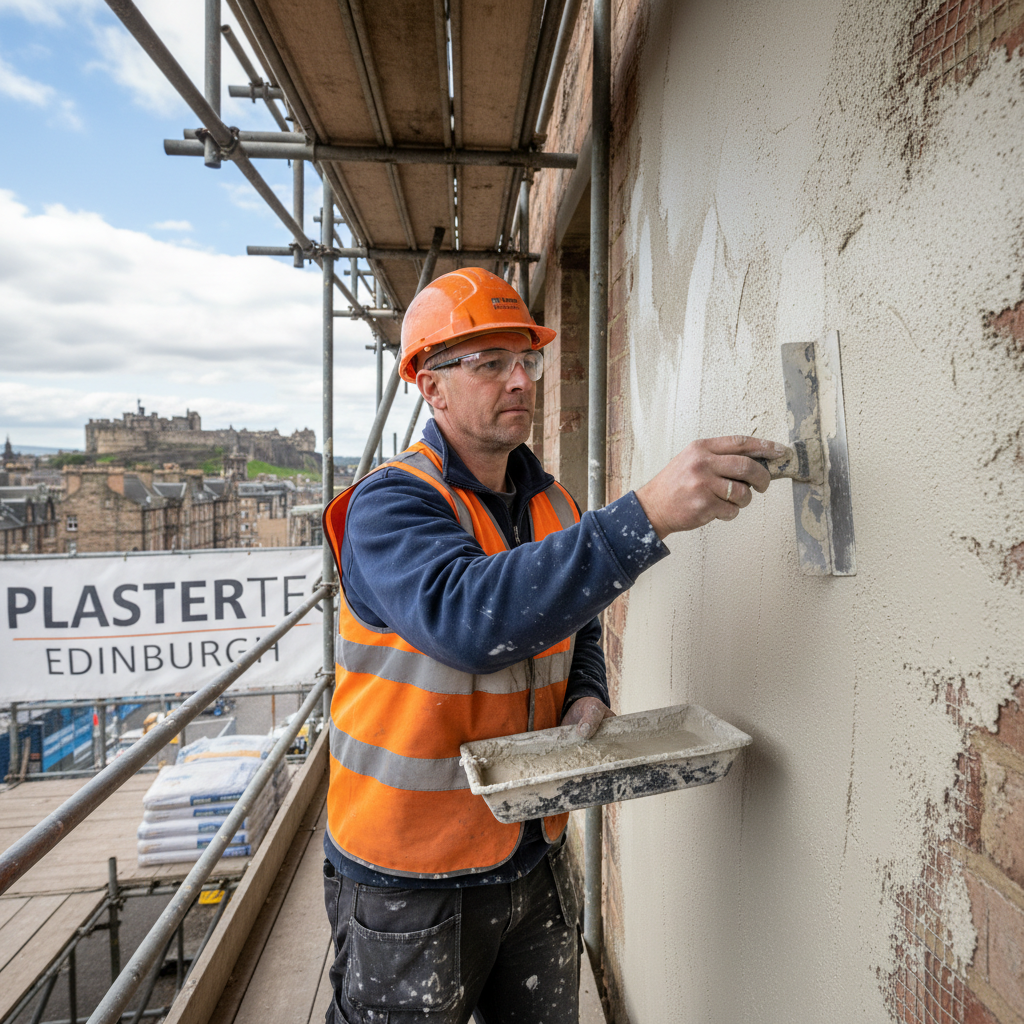
While breathability is vital for the health of the stone, some external walls in the New Town or Old Town are so persistently cold that they require a thermal intervention. North facing walls in these tall, exposed structures rarely see sunlight, keeping the internal masonry temperature well below the dew point throughout the winter. This is where anti-condensation thermal plastering becomes an effective modern upgrade.
The primary goal of this technique is to eliminate cold bridging, a phenomenon where heat escapes rapidly through specific structural points, leaving the wall surface icy to the touch. By installing insulated plasterboards or applying specialist thermal plasters embedded with insulating spheres, we create a thermal break. This thin layer of insulation ensures the internal wall surface remains closer to the ambient room temperature rather than the freezing exterior stone.
Raising the surface temperature by just a few degrees can effectively stop the condensation on walls Edinburgh homeowners struggle with by preventing air from reaching its dew point. When integrated correctly by an experienced local plasterer, these systems provide a warm, dry finish without significantly altering the room's dimensions. If you are dealing with a particularly stubborn cold spot that seems immune to ventilation, you can contact PlasterTec Edinburgh to discuss which thermal system best suits your property's specific orientation and exposure.
Practical Tips to Stop Condensation on Walls Overnight
While specialist finishes provide a long-term barrier, immediate habit changes can mitigate daily moisture buildup. Maintaining a consistent, low-level heat is significantly more effective for Edinburgh masonry than short bursts of high heat; keeping stone walls slightly warm prevents the surface from hitting the dew point. In high-ceilinged tenements, employ the cross-ventilation technique by opening windows at opposite ends of the central hallway for ten minutes daily. This flushes out the stagnant, moisture-heavy air common in traditional layouts.
Avoid the common local habit of drying laundry on radiators, which can release several litres of water directly into a room. Instead, use a dedicated dehumidifier to lower relative humidity. If you notice water pooling on sills, wipe it away immediately to prevent it from soaking into the surrounds. These practical steps are the first line of defense against condensation on walls Edinburgh buildings suffer from during the damp winter months. If moisture persists despite these changes, you may need to contact PlasterTec Edinburgh for a professional assessment from an experienced local plasterer.
When to Call a Professional Plasterer in Edinburgh
Determining when to seek expert help is essential for protecting the structural integrity of your home. You should consult an experienced local plasterer if your walls feel spongy, show hollow patches, or start crumbling; these signs suggest the plaster has lost its bond with the stone. If a damp patch remains wet after 48 hours of increased ventilation, the issue likely exceeds simple surface moisture.
Remember that plastering is a final restorative step. It must only proceed once the root cause of the condensation on walls Edinburgh properties suffer from is correctly identified. For residents requiring professional plastering services in Edinburgh to repair moisture damage, you can contact PlasterTec Edinburgh for a detailed assessment of your property's specific masonry needs.
Managing condensation in Edinburgh properties requires a balance of proper ventilation and the right breathable materials. While small adjustments can help, long-term success often depends on using high-quality finishes that allow your walls to breathe naturally. If you want expert help choosing the most effective solution for your home, our team is here to assist. We specialize in professional Plastering services designed to keep your interiors dry and healthy. Taking this step ensures your property remains protected against damp for years to come.